
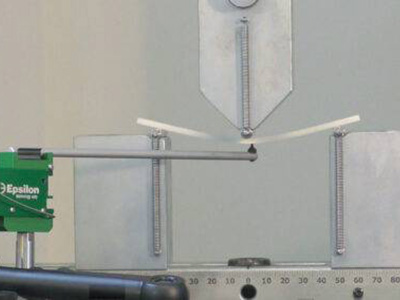
 A deflectometer measures the deflection of materials under load. It’s crucial for assessing structural integrity in construction and engineering. This article covers its working principles and applications.
We offer a wide range of deflectometers, contact us for more information.
Understanding Deflection and Its Importance
Deflection refers to the displacement of a material under load, and it plays a critical role in assessing structural integrity. Imagine a bridge subjected to the weight of passing vehicles; the slight movements and bends in its structure are examples of deflection. Monitoring deflection ensures the bridge stays safe and functional over time. External forces contribute to this deflection, and measuring these forces is crucial to understanding and mitigating stress and strain on the structure.
Deflectometers, the instruments designed for this purpose, are indispensable across various sectors, including construction, aerospace, and manufacturing, as they provide accurate measurements of deflection. Measuring deflection is not just about gathering data; it’s about maintaining the safety and performance of structures.
Identifying potential weaknesses allows engineers to take proactive measures to prevent catastrophic failures. Thus, deflectometers are not merely tools but critical components in the ongoing effort to monitor and preserve the health of materials and structures.
What Is Deflection?
Deflection is defined as the displacement of a material under a compressive load. This displacement can be measured in various ways, depending on the nature of the load and the material’s response. For example, compressive, shear, bend, and cyclic tests are commonly used to obtain deflection data. These measurements can be expressed as a linear distance or an angle, providing valuable insights into how materials deform under different conditions.
In engineering applications, deflection data is crucial for optimizing structural designs and ensuring safety. Analyzing this data enables engineers to make informed decisions about material selection and structural modifications.
Whether you’re designing a skyscraper or a simple beam, understanding how materials deflect under load helps in creating safer and more efficient structures.
Why Measure Deflection?
Measuring deflection is essential for maintaining structural integrity and ensuring compliance with safety regulations. For instance, in construction, regular deflection measurements help in monitoring the performance and longevity of structures. Detecting potential issues early allows engineers to implement corrective measures before they escalate into serious problems.
Moreover, deflection measurement is also vital for ensuring compliance with industry standards. Accurate deflection data allows engineers to verify that structures meet the required specifications, thereby avoiding legal and safety repercussions. Accurate calibration and strain measurement ensure that deflection readings are reliable and consistent.
Advantages of Using Deflectometers
Deflectometers offer several advantages that make them indispensable in various engineering applications. One of the primary benefits is their high accuracy in measuring deflection, which ensures the safety and performance of structures. This accuracy is achieved through the use of spring-loaded plungers that maintain constant contact with the surface being tested, providing consistent readings.
High Accuracy
Setting up and calibrating a deflectometer effectively is crucial to ensure that the system captures accurate deflection measurements. Extensometers integrated with deflectometers enhance measurement accuracy by detecting even the smallest displacements. The output voltage in strain gauge circuits, particularly in a Wheatstone bridge, is crucial for accurate deflection measurements. Such high precision improves safety and performance in engineering applications.
Deflectometers are designed to comply with industry standards, ensuring that deflection measurements adhere to established accuracy benchmarks. Regular calibration is essential to maintain this accuracy, as it helps counteract any shifts in measurement caused by equipment aging or environmental changes.
Following proper calibration procedures ensures that your deflectometer provides reliable and consistent data.
Compliance with Standards
Using deflectometers assists in achieving compliance with various international testing standards. These instruments are designed to meet strict accuracy requirements set by standards such as ASTM D790 and ISO 178. Ensuring adherence to these standards facilitates consistent and reliable evaluation methods, which are crucial for maintaining safety and quality in engineering applications.
Regular calibration is crucial for deflectometers to ensure their accuracy. Both annual and monthly calibration schedules are recommended to maintain optimal performance. Adhering to these schedules ensures that your deflectometer continues to provide precise measurements, helping you stay compliant with industry standards.
Versatility
Deflectometers are versatile tools used in multiple industries, adapting to unique testing conditions and materials.
The advantages of deflectometers, including high accuracy and compliance with industry standards, make them reliable for diverse testing applications. Their adaptability to various materials and conditions ensures that they can provide precise measurements in different contexts, enhancing the overall reliability of deflection data.
Contact us to request pricing, specifications, and delivery details.
Introduction to Deflectometers
Deflectometers are sophisticated instruments specifically designed to measure the displacement of materials under load, making them essential in various engineering applications. The principle behind deflectometers is relatively straightforward: they measure deflection by applying a load to the material and recording the resulting displacement. This data is invaluable for assessing the structural integrity and performance of materials.
There are several types of deflectometers, each tailored for specific applications. For instance, Compression Deflectometers, also known as Linear Variable Differential Transformers (LVDTs), are commonly used for precise measurements in materials testing systems.
The advantages of using deflectometers include their high accuracy, compliance with industry standards, and versatility across different materials and testing conditions.
We have a lot of deflectometers to choose from, contact us for more information. We will help you get the best deflectometers for your needs.
How Deflectometers Work
Deflection refers to the lateral displacement experienced by a structural element when subjected to a load. Some deflectometers, for example, measure deflection using a single arm with a spherical contact tip. This method ensures precise contact with the material’s surface, allowing for accurate measurement of displacement. Additionally, deflection data can be collected from the crosshead position and instruments like deflectometers using Newton controllers.
The process involves applying a known load to the material and measuring the deflection that occurs to measure strain. Strain gauges and other methods, such as digital image correlation (DIC), are commonly used for measuring strain in various materials, offering versatility in capturing data for both static and dynamic applications. This data is then analyzed to determine the material’s behavior under stress, providing insights into its structural properties and potential weaknesses.
Understanding how deflectometers work is crucial for anyone involved in materials testing and structural analysis.
Types of Deflectometers
There are various types of deflectometers, each designed for specific testing scenarios. Flexural Deflectometers, for example, use a spring-loaded plunger in conjunction with an extensometer to measure deflection. This setup is particularly useful for materials that undergo bending or flexural stress.
On the other hand, Compression Deflectometers, also known as Linear Variable Differential Transformers (LVDTs), are used to measure the displacement of load frames in materials testing systems. Each type of deflectometer has its unique advantages and applications.
While Flexural Deflectometers are ideal for measuring bending in materials, Compression Deflectometers are better suited for compressive loading scenarios. Understanding the different types of deflectometers and their applications can help you choose the right tool for your specific needs.
Key Components of a Deflectometer System
A deflectometer system comprises several key components, each playing a crucial role in accurate deflection measurement. The primary components include the load plate, spring-loaded plunger, and extensometers. These elements work together to record changes in displacement as a function of the applied load on the specimen. Strain gauges change their electrical resistance in response to applied force, which is crucial for accurate deflection measurement.
During a deflection test, the deflectometer records the displacement of the specimen in real-time as load is applied. Careful load positioning and data recording are essential to accurately capture the pavement response. Ensuring that the deflectometer is free of inertia is also crucial for obtaining accurate readings.
Load Plate Diameter
The load plate diameter is a critical factor in deflection measurement as it influences the distribution of load over the test surface. A larger load plate diameter can lead to diminished stress concentration, resulting in a more uniform load application and more accurate deflection readings. When selecting a load plate diameter, consider factors such as the gauge factor, the material being tested, the load applied, and the desired accuracy of the measurement.
Choosing the right load plate diameter can significantly impact the accuracy of your deflection measurements. By understanding the material properties and load requirements, you can ensure that your deflectometer provides reliable and consistent data.
Spring-Loaded Plunger
The spring-loaded plunger is an integral component in deflectometers, providing direct contact measurements. These devices utilize spring mechanisms that maintain contact with the surface being measured, ensuring precise readings. The continuous contact made by the spring-loaded plungers helps achieve reliable deflection measurements during testing.
It’s important to note that the deflectometer is not a strain measuring device; it solely employs a spring-loaded plunger often used alongside extensometers. This combination enhances the accuracy of deflection measurements, making it a valuable tool in various testing scenarios. Resistance change due to temperature variations can affect the accuracy of strain gauges, so selecting appropriate materials that mitigate this effect is crucial.
Extensometer Integration
Extensometers are crucial in deflectometer systems, enabling accurate strain measurements during testing. By integrating extensometers with deflectometers, you can achieve real-time monitoring of the right strain caused by applied loads and strain gages. This integration significantly improves the precision of deflection measurements, allowing for detailed analysis of material behavior.
A typical deflectometer system includes sensors, load plates, and support mechanisms. Understanding how these components work together can help you make the most of your deflection measurements, ensuring accurate and reliable data for your engineering applications.
Using a Deflectometer: Step-by-Step Guide
Using a deflectometer involves several steps, from setting up the equipment to conducting the test and analyzing the data. Following a systematic approach ensures accurate measurements and reliable results.
This guide will walk you through the process, highlighting key considerations at each stage.
Setting Up the Equipment
Before:
To set up a deflectometer, the specimen must be securely mounted in appropriate test fixtures. Proper alignment is crucial for accurate measurements. Before the test, ensure the deflectometer is positioned correctly on the specimen. Calibration is also an essential step, as it ensures the device provides reliable and consistent readings.
After:
-
Securely mount the specimen in appropriate test fixtures.
-
Ensure proper alignment for accurate measurements.
-
Position the deflectometer correctly on the specimen before the test.
-
Calibrate the device to ensure reliable and consistent readings.
Careful setup and calibration are the foundations of accurate deflection measurement. Following manufacturer instructions and properly aligning the equipment helps avoid common errors and obtain precise data.
Applications of Deflectometers
Deflectometers are essential tools for accurately measuring the deflection of structures under load. Their precision and reliability make them invaluable in various industries, from construction and civil engineering to manufacturing and aerospace. Integrating extensometers with deflectometers significantly improves the precision of deflection measurements.
Deflection data is critical for calculating various material properties, including compressive and flexural strengths. Interpreting this data allows engineers to make informed decisions about material performance and structural integrity. The following sections will explore specific applications of deflectometers in different industries.
Manufacturing and Material Testing
Deflectometers play a crucial role in manufacturing and material testing by ensuring that materials meet specified performance criteria. In industrial and manufacturing settings, deflectometers are used to perform quality control checks, validating the durability and reliability of materials by measuring their deflection under stress. This ensures that products meet the necessary standards and specifications before they reach the market.
Additionally, deflectometers are integral in structural health monitoring, particularly in high-stakes industries like aerospace and automotive. Precise measurements of material flexural strength and other properties help engineers develop products that withstand operational stresses and maintain safety standards. Karma alloys are used in strain gauges for their long-term stability and performance across a wide temperature range. This makes them indispensable tools for ensuring product quality and reliability.
Frequently Asked Questions
Extensometers measure deformation under tensile stress, while deflectometers measure deformation under transverse or compressive stress. Therefore, the choice between them depends on the specific loading conditions you are assessing.
A deflection meter is a strain-gaged device designed to measure deformations in various test scenarios, such as bend and compression tests. Its magnetic base facilitates easy mounting, enhancing its usability.
A deflectometer is utilized to measure deformations in materials during tests, such as bending and compression, as well as to evaluate the stiffness of pavements by analyzing deflections caused by a dropped weight.
Deflection is the displacement of a material caused by a compressive load, and it is essential for evaluating the structural integrity of that material. Understanding deflection helps ensure the safety and performance of various structures.
Measuring deflection is crucial for maintaining structural integrity and ensuring compliance with safety standards, as it helps identify potential weaknesses in materials and structures. This measurement can prevent failures and enhance overall safety.
