
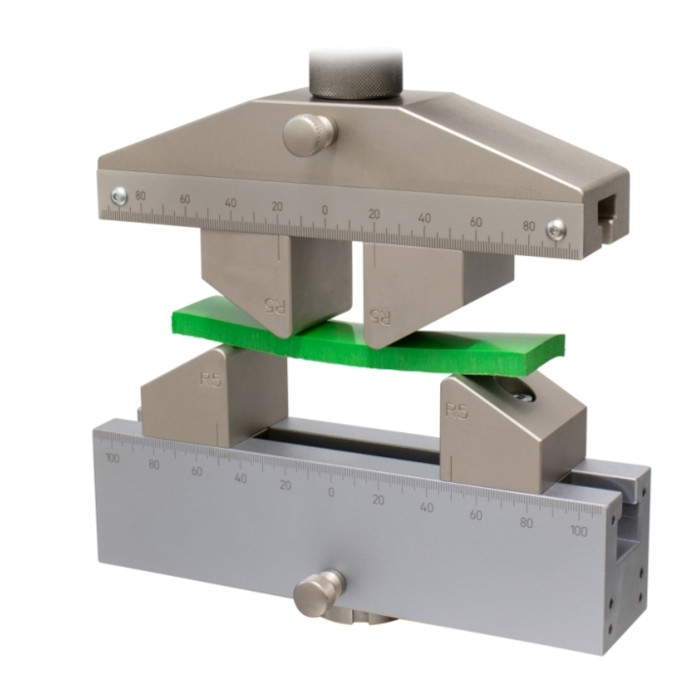
A flexural test measures a material’s ability to withstand bending forces. It helps engineers determine how flexible and strong materials are. This article will explain the basics, methods, and uses of flexural testing.
Key Takeaways
-
Flexural testing is essential for evaluating materials’ resistance to bending and permanent deformation, which is more relevant in real-world applications compared to tensile tests.
-
The primary types of flexural tests include three-point and four-point bending tests, each suited for specific material characteristics and applications.
-
Key parameters measured in flexural testing, such as flexural stress, strain, and modulus, provide critical insights into material behavior under bending loads, informing quality control and material selection.
Understanding Flexural Testing
Flexural testing determines the force needed to bend a beam made of plastic material. It also assesses the material’s resistance to bending. This method helps determine the flexural properties of materials, including their ability to withstand bending forces and resist permanent deformation. Flexural strength, a key parameter in these tests, indicates how much stress a material can endure before failing under bending loads. Testing for bending conditions is often more relevant than tensile tests for real-world applications, making it crucial for assessing material behavior.
Specimens experience a combination of compressive, tensile, and shear stresses during flexural testing. This distinguishes flexural tests from other mechanical tests such as tensile tests, which primarily measure how materials respond to stretching forces. Flexural testing evaluates material behavior under a bending load, offering insights into stiffness and deformation resistance. These insights are especially important for materials used in applications where bending forces are prevalent, such as in beams and other structural components. Flexural test measures provide valuable data for understanding these behaviors.
Flexural testing subjects a specimen to a bending force until failure. This helps in understanding the material’s flexural properties, including its flexural stress, flexural strain, and flexural modulus. These parameters are essential for characterizing materials and predicting their performance under load. Measuring force and deflection at various points lets engineers create a stress-strain curve illustrating material behavior under bending forces.
Overall, flexural testing is a powerful tool for material scientists and engineers. It provides valuable data that can be used to improve material formulations, ensure quality control, and design safer, more effective products and structures. Basics of flexural testing are foundational for exploring its methods, applications, and commonly tested materials.
Types of Flexural Tests
Flexural tests come in various forms, each designed to evaluate the mechanical properties of materials under different conditions. The primary types of flexural tests include the three-point bending test, four-point bending test, and simple cantilever loading. These flexure tests are essential for determining how materials respond to bending forces, and each has its unique advantages and applications.
The three-point bending test is a commonly used method in flexural testing. It involves applying a load at a single point on the specimen while it is supported at two other points. This test is particularly useful for measuring the maximum bending stress localized beneath the loading point, providing insights into the material’s flexural strength and resistance to bending forces.
On the other hand, the four-point bending test involves applying the load at two points on the specimen, with the maximum bending stress spread over a larger area. This method allows for a more uniform distribution of stress, making it ideal for materials that may not have a homogeneous structure. Understanding these test differences helps engineers choose the appropriate method for their material and application.
Three-Point Flexural Test
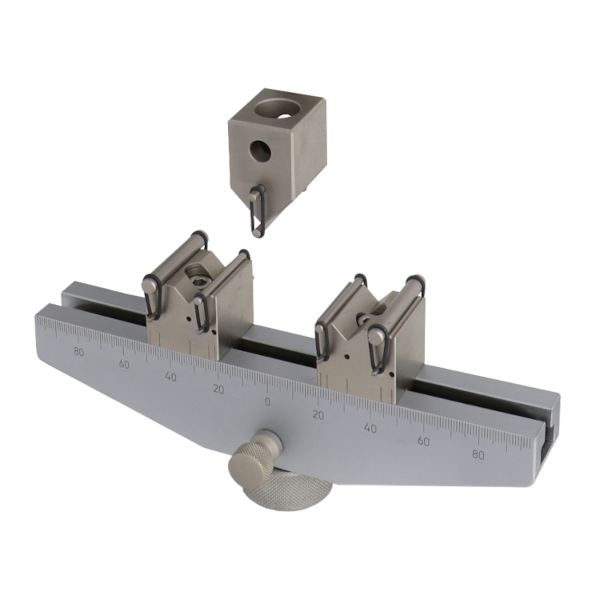
The three-point flexural test is a staple in material testing, particularly for structures like beams that are primarily subjected to bending rather than tension. During this test, the material is distorted (strained) and experiences resistance (stress) as a load is applied at a single point while the specimen is supported at two other points. This setup creates a bending moment that helps in determining the point flexure and flexural properties of the material.
Deflection measurement during the three-point flexural test is crucial for determining the maximum deflection. This can be achieved using a strain gauge under the specimen or directly measuring the deflection. The test is initiated by applying the load to the specimen at a specified cross-head strain rate, which ensures consistent testing conditions and accurate results.
One of the key factors in the three-point flexural test is the span-to-thickness ratio, especially for composite materials. The standard span-to-thickness ratio is typically set at 32:1, which helps minimize shear effects and ensures that the bending stress is accurately measured.
By recognizing these nuances, engineers can effectively use the three-point flexural test to evaluate material performance and ensure products meet required yield point standards.
Four-Point Flexural Test
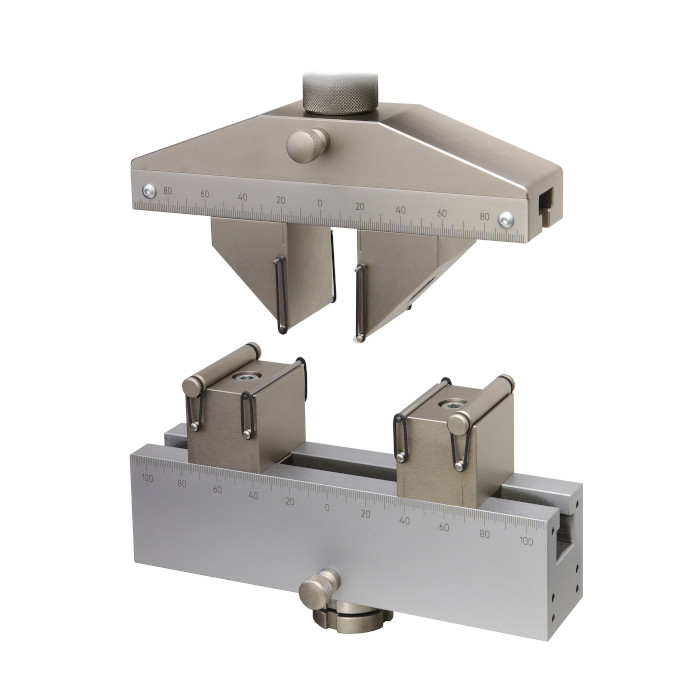
The four-point flexural test offers a different approach to measuring flexural properties by applying the load at two points on the specimen, allowing for pure flexure moment without shear stress. This method benefits materials needing a uniform stress distribution, such as certain composites and non-homogeneous materials.
One of the standards that employ the four-point bending technique is DIN 53121, which is used to evaluate the bending stiffness of corrugated board. Using this method allows engineers to accurately assess material flexural properties, ensuring they meet necessary performance criteria.
Get a Complete Test System for Your Test Application
Completing your material test system is easy. Simply start by choosing a test machine, choose your accessories, and select your controller software. We are your one-stop shop for all your application testing needs.
Request a QuoteKey Parameters in Flexural Testing
In flexural testing, several key parameters are measured to characterize the material’s behavior under bending loads. These parameters include flexural stress, flexural strain, and flexural modulus, each providing valuable insights into the material’s properties and performance. These parameters are crucial for accurate material characterization and quality control.
Flexural stress is one of the primary outcomes of flexural tests and is reported as the maximum stress on the specimen’s outer surface. This parameter helps in determining the material’s ability to withstand bending forces without failing. Flexural strain, on the other hand, indicates the degree of deformation experienced by the specimen under load. It is crucial for evaluating the structural integrity and performance of materials.
Flexural modulus, also known as the modulus of elasticity in bending, measures the stiffness of the material during the initial bending process. It quantifies how much the material can flex before permanent deformation occurs. Analyzing the load-deflection curve slope within the material’s elastic range helps determine the flexural modulus and assess resistance to bending loads.
Various factors, including specimen thickness, support span, and environmental conditions can influence the accuracy of flexural test results. For instance, the length of the support span directly affects the bending moments and overall stress distribution within the test specimen. Recognizing these key parameters and their impact is essential for reliable and consistent flexural testing.
Flexural Stress
Flexural stress is a critical parameter in flexural testing, representing the maximum stress experienced by a material before it fails under bending loads. Engineers analyze the peak load and cross-sectional area at failure to determine maximum flexural stress. This calculation is vital for assessing the material’s strength and its ability to withstand bending forces.
The load-deflection curve is an essential tool in flexural testing, visually representing the relationship between the applied load and the deflection experienced by the specimen. The area beneath the load-deflection curve corresponds to the total energy per unit volume absorbed by the material during deformation. This curve is crucial for evaluating the material’s stiffness and ductility.
Specimen thickness can significantly affect the calculated flexural stress. Even small variations in thickness, such as 0.1 mm, can lead to discrepancies of about 5% in the results. Therefore, accurate measurement and standardization of specimen thickness are essential for reliable flexural stress calculations and consistent test outcomes.
Flexural Strain
Flexural strain indicates the degree of deformation a material undergoes when subjected to a bending load. This measurement is crucial for understanding the structural integrity and performance of materials under stress. By analyzing flexural strain, engineers can determine how much a material can deform before reaching its failure point.
Calculating the specimen’s deflection under load measures flexural strain. This data provides valuable insights into the material’s behavior during bending and helps in assessing its suitability for specific applications.
Flexural strain evaluation is crucial for assessing material performance under real-world bending conditions.
Flexural Modulus
Flexural modulus, also known as the modulus of elasticity in bending, quantifies a material’s stiffness. It specifically assesses how the material behaves during the initial bending process. It quantifies the material’s resistance to deformation under bending loads and indicates how much it can flex before permanent deformation occurs. This parameter is crucial for assessing the material’s performance in applications where stiffness is a key factor.
Determining flexural modulus involves analyzing the load-deflection curve slope within the material’s elastic range. The initial slope of the stress-strain curve during bending provides the value for the flexural modulus. By understanding this parameter, engineers can evaluate the material’s stiffness and ensure it meets the required performance standards.
Flexural modulus values are typically lower than corresponding tensile modulus values for the same material. This difference is due to the different loading conditions and stress distributions in tensile and flexural tests. Recognizing these nuances is essential for accurate material characterization and selecting appropriate test methods.
Flexural Test Standards and Methods
Standardized methods are crucial for ensuring consistent and reliable results in flexural testing. Standards like ASTM D790, ISO 178, and DIN 53121 outline specific procedures for preparing specimens and conducting a test method. These standards help in maintaining uniformity across different tests and materials, providing a benchmark for material characterization and quality control.
Flexural test standards also specify the equipment and conditions required for accurate testing. For instance, equipment used for tensile testing can also be applied to flexural testing. Deflectometers or compressometers are used to measure deflection, and cylindrical surfaces are required for the loading nose and support in flexural tests. These specifications ensure that tests are conducted under controlled and reproducible conditions.
Adhering to these standards is essential for accurate material testing and characterization. They help in minimizing errors and discrepancies in test results, providing reliable data for material selection, quality control, and product development.
ASTM D790
ASTM D790 is a widely recognized standard that outlines the test methods for determining the flexural properties of plastics. This standard includes detailed procedures for specimen preparation and testing, ensuring consistency and accuracy in results. According to ASTM D790, maximum stress occurs at the midpoint when testing a homogeneous elastic material, which is crucial for accurate material characterization and quality control.
Following the ASTM D790 standard is essential for accurate flexural testing of plastic materials. By adhering to these procedures, engineers can ensure that the test results are reliable and comparable across different studies and applications. This standard plays a vital role in quality control and specification purposes in the polymer industry.
ISO 178
ISO 178 is another important standard that focuses on the flexural properties of thermoplastic materials. This standard outlines specific requirements for specimen preparation and testing conditions, ensuring consistent and reliable results. ISO 178 provides detailed procedures for assessing the flexural properties of plastics under specific conditions, making it a valuable reference for material scientists and engineers.
By adhering to ISO 178, engineers can ensure that their test results are accurate and reproducible. This standard is particularly useful for evaluating the performance of thermoplastic materials in various applications, providing valuable data for material selection and product development.
DIN 53121
DIN 53121 is a standard that outlines the testing procedures and requirements for assessing the flexural properties of corrugated board. This standard employs a four-point bending technique to evaluate the bending stiffness of the material, providing accurate and reliable results. Following DIN 53121 is essential for accurate flexural testing of corrugated board, ensuring material meets performance criteria.
By adhering to DIN 53121, engineers can obtain valuable data on the bending stiffness of corrugated board, which is crucial for various applications. This standard helps in maintaining consistent testing conditions and accurate results, providing a benchmark for material characterization and quality control.
Materials Commonly Tested with Flexural Testing
Flexural testing is applicable to a wide range of materials, including composites, plastics, and metals, each with unique properties relevant to bending. This type of testing is particularly useful for materials like plastics and composites, which may display varying properties based on environmental conditions. Flexural testing is crucial in sectors like automotive and aerospace for ensuring materials meet performance criteria.
In the automotive industry, for example, flexural testing and flexure testing help in evaluating the performance of materials used in vehicle components, ensuring they can withstand bending forces during operation.
In the aerospace industry, flexural testing is essential for assessing the performance of materials used in aircraft structures, ensuring they meet the required strength and rigidity for safe operation.
Understanding these materials’ flexural properties helps engineers ensure they meet necessary performance standards. This information is critical for material selection, product development, and quality control, helping to ensure the safety and reliability of products and structures.
Composite Materials
Composite materials, especially fiber-reinforced types, are frequently assessed for their ability to withstand bending stresses using flexural tests. The four-point bending test is generally more effective for non-homogeneous materials, such as certain composites, as it allows for a more uniform distribution of stress.
Environmental conditions, such as elevated temperatures, can significantly affect the flexural strength and toughness of composite materials. Recognizing these factors helps engineers ensure materials meet performance standards under different environmental conditions.
Plastics
The three-point flexural testing method is commonly used for plastic materials, particularly suitable for homogeneous materials like plastics. This method helps in determining the flexural properties of plastics, including their flexural strength and resistance to bending forces. According to ASTM D790, the specimen size for thermoplastic extrusion material is 127 mm by 12.7 mm by 3.2 mm. This specification outlines the dimensions required for testing.
Adhering to these standard sizes and procedures ensures accurate and consistent results. Flexural testing of plastics is crucial for various applications, providing valuable data for material selection, product development, and quality control.
Metals
Flexural testing helps determine the strength and ductility of metals under bending forces. Key parameters measured during flexural testing of metals include flexural stress, strain, and modulus, which are essential for evaluating performance under load.
The results from flexural tests on metals inform material selection and design in industries that involve structural applications and biomedical devices. Metallic biomaterials require specific testing for biomedical devices, where corrosion resistance and biological compatibility are critical.
Flexural Test Equipment
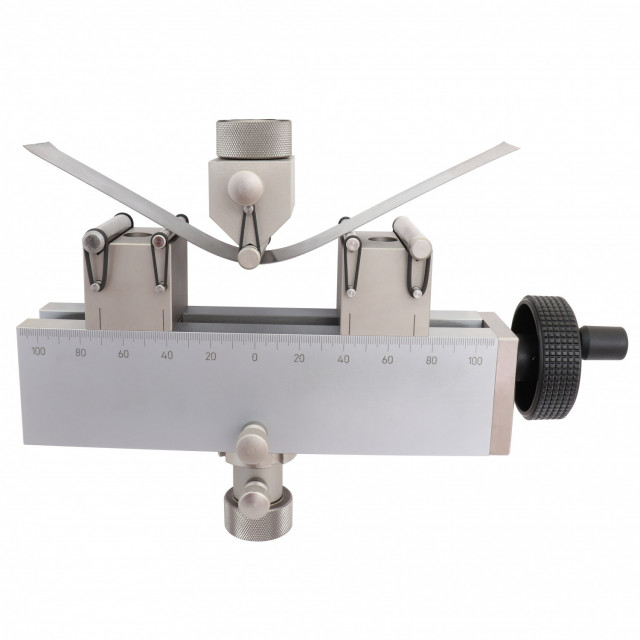
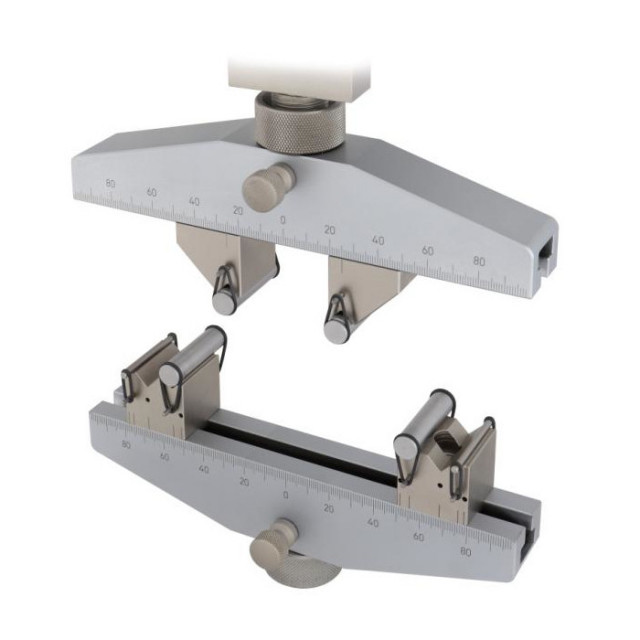
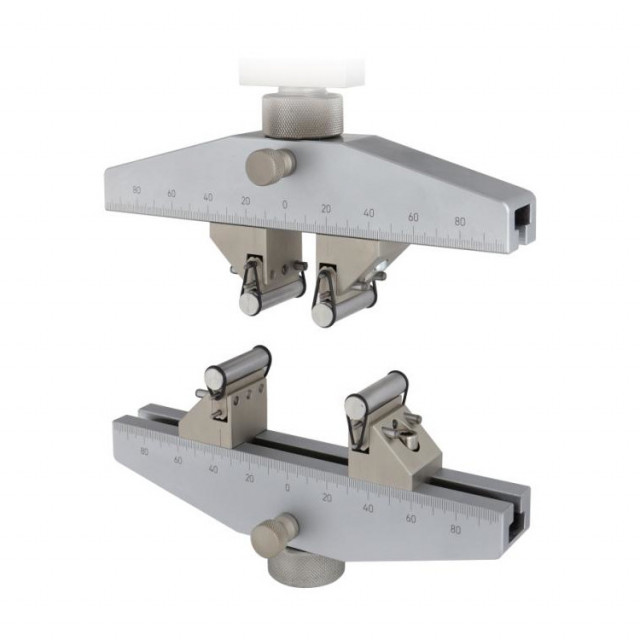
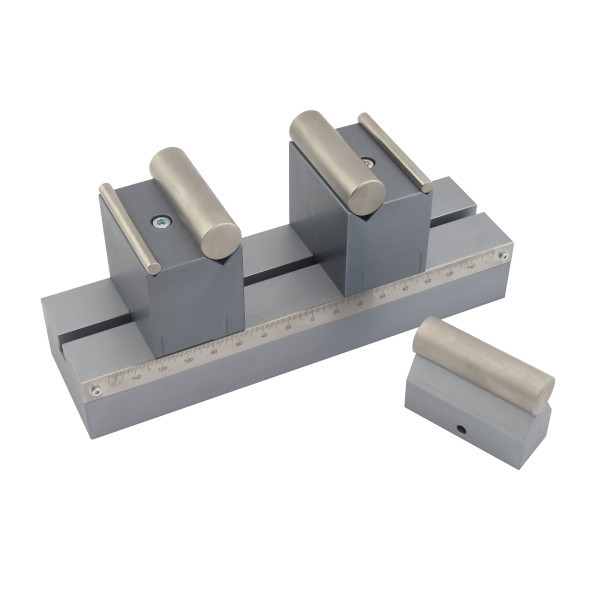
Flexural test equipment includes machines and accessories designed to apply controlled bending loads to test specimens and measure their response. Using the right equipment ensures accurate and reliable test results.
Test Machines for Flexural and Bend Testing
Bend test machines are typically universal testing machines specifically configured to evaluate material ductility, bend strength, fracture strength, and resistance to fracture.
Bend Test Machines
Get the Highest Value Bend and Flexural Testers
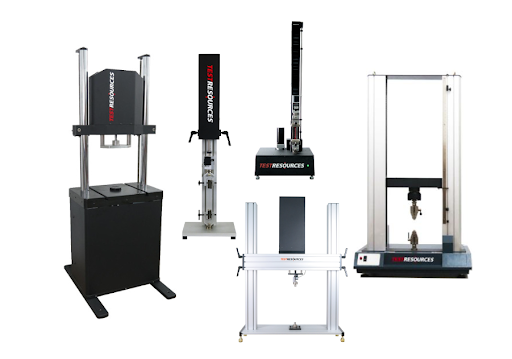
Choose from 38 different models and two different technologies with 100's of configurations which allows you to optimize your testing capabilities and pick exactly what you need.
Due to the massive selection of products that we offer, it can be difficult to narrow down what you need. Let us help you select and configure based on your testing application.
Accessories for Flexural and Bend Testing




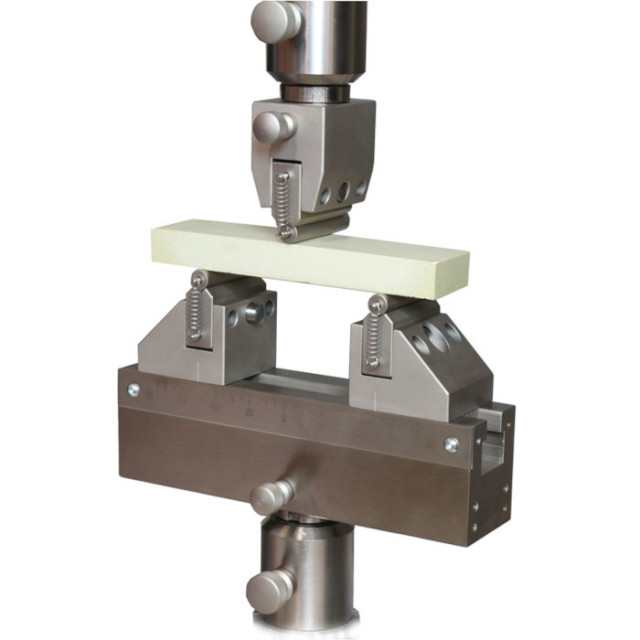
Newton Test Controller
From simplified test setups to an intuitive controller software interface and pre-configured methods for industry standards - this innovative technology ensures that your test application are conducted seamlessly and with precision.
Accurate & Repeatable Test Results
- Simple test setup, operation, and reporting
- Flexible and scalable software packages - Get what you need now with room to grow!
- Prebuilt test methods for many of the most common application-specific testing standards
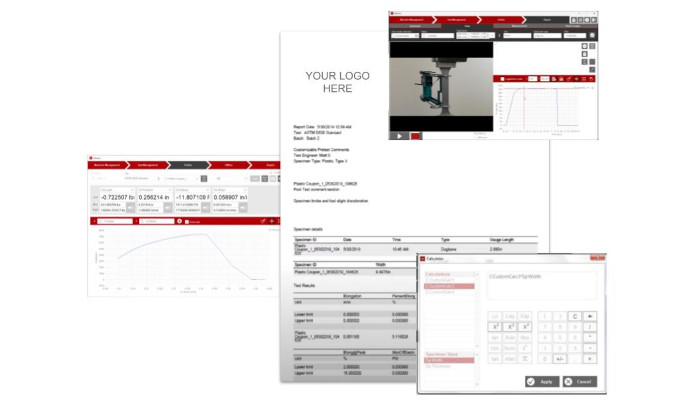
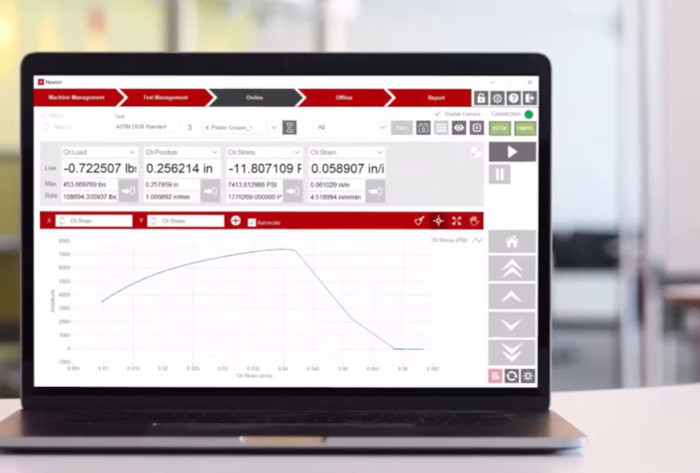
High-performance and easy-to-use controller with logical workflow design
With an intuitive interface, Newton makes it easy for users to navigate through various options and settings, ultimately enhancing the overall user experience. By streamlining complex procedures into user-friendly steps, this software serves both experienced test engineers and beginners alike to conduct tests with confidence and accuracy.
Interpreting Flexural Test Results
Interpreting flexural test results requires understanding the relationship between applied load and resulting deflection, crucial for evaluating material performance. The flexural stress and strain data obtained from these tests are vital for understanding material behavior during bending.
Flexural strain is determined by measuring the deflection of a specimen under load, providing insights into how much deformation a material undergoes before reaching its failure point. This information is crucial for evaluating the structural integrity and performance of materials under bending loads.
The alignment of the testing setup can influence the accuracy of flexural test results. Proper alignment ensures that the stress-strain curves are linear and accurate, providing reliable data for material characterization. Recognizing these factors helps engineers accurately interpret test results and make informed material selection and product development decisions.
Load Deflection Curve
The load deflection curve is a graphical representation used in flexural testing to illustrate the relationship between the applied load and the resulting deflection of the specimen. This curve is significant as it helps in analyzing the mechanical properties of materials, which is essential for various applications in engineering and materials science.
Plotting load versus deflection helps engineers determine the flexural modulus value, crucial for evaluating material stiffness. The load deflection curve serves as a fundamental tool in material testing, guiding engineers and scientists in decision-making processes regarding material selection and quality control.
Maximum Flexural Stress and Strain
Flexural strength refers to the stress a material can handle before experiencing bending failure. It represents the material’s resistance to bending forces. Maximum flexural stress is a critical measure in evaluating the performance of materials under bending loads. This parameter determines the material’s ability to withstand bending forces without failing, ensuring product and structure safety and reliability.
Calculating maximum flexural stress and strain involves analyzing the load-deflection data and determining the peak values. This information provides valuable insights into the material’s behavior under bending loads, helping engineers to accurately assess its performance and suitability for specific applications.
Chord Modulus and Initial Straight Line Portion
The chord modulus is derived from the slope of the load-deflection curve’s initial linear segment, reflecting the material’s stiffness during elastic deformation. This parameter is calculated using the slope of the secant line drawn between two specific points on the stress-strain curve, representing the material’s behavior before reaching the elastic limit.
Understanding the chord modulus is crucial for assessing the material’s stiffness and ensuring it meets the required performance standards. This parameter provides valuable insights into how much a material can flex before permanent deformation occurs, helping engineers to accurately evaluate its performance under bending loads.
Applications of Flexural Testing
Flexural testing can help predict the performance of materials in real-world applications by simulating bending conditions. This type of testing is essential for evaluating materials like plastics and composites to ensure they meet required strength and rigidity for various applications. Flexural test results offer insights into material performance under bending loads, aiding in assessing material suitability for specific applications.
In the automotive industry, flexural testing helps in evaluating the performance of materials used in vehicle components, ensuring they can withstand bending forces during operation. In the aerospace industry, flexural testing is essential for assessing the performance of materials used in aircraft structures, ensuring they meet the required strength and rigidity for safe operation.
Understanding material flexural properties helps engineers ensure they meet necessary performance standards for intended applications. This information is critical for material selection, product development, and quality control, helping to ensure the safety and reliability of products and structures.
Quality Control
Flexural testing is utilized in quality control to ensure that materials meet strength and performance standards, which is crucial for safety in sectors like automotive and aerospace. Determining flexural properties according to standards like ASTM D790 ensures manufacturing materials meet required specifications for intended applications.
This type of testing helps in identifying any potential issues with the material’s performance, allowing for corrective actions to be taken before the materials are used in critical applications. Ensuring that materials meet the necessary quality standards is essential for maintaining safety and reliability in various industries.
Material Development
Flexural testing is crucial for assessing new materials’ mechanical properties to ensure they meet performance standards. Flexural testing prioritizes materials based on mechanical performance, guiding engineers and material scientists in their selections.
Data obtained from flexural tests can indicate potential improvements in material formulations, guiding the development of stronger and more durable materials. The continuous advancement in flexural testing methods and applications is expected to significantly contribute to material innovation, leading to new products and solutions.
Structural Applications
The data from flexural testing is vital for structural applications, helping engineers to calculate load-bearing capacities and design resilience in constructions. In structural engineering, flexural testing data informs the design process, helping engineers assess how materials will perform under load in real-world applications.
Flexural tests offer insights into material behavior under bending, often more representative of real-world applications than tensile tests. This type of testing is often more practical for materials expected to encounter bending rather than direct tension in their applications, providing a more realistic assessment of material performance in structural applications.
Flexural Testing Standards by Standards Organization
If you have a specific standard that you will be using, please refer to this table to find and learn more about the products that we recommend for that particular standard.
What if I Don’t Have a Specific Test Standard or Don’t Know Exactly What I Need?
We can guide you through the process of configuring a machine, whether the purpose is to help you create a budget or to buy a machine.
Factors Affecting Flexural Test Results
Various factors can influence the results of flexural testing, affecting the accuracy and reliability of the data obtained. Testing conditions such as temperature and humidity can significantly alter the flexural properties of materials, potentially leading to inconsistent test results. Recognizing these factors is crucial for optimizing flexural testing procedures and ensuring accurate results.
Specimen thickness is a critical factor impacting flexural test outcomes. Generally, increasing the specimen thickness results in higher flexural strength and flexural modulus, as it helps distribute loads more evenly. However, very thick specimens may experience issues such as non-uniform stress distribution, leading to inaccurate results. Therefore, careful consideration of specimen thickness is essential for reliable flexural test results.
Support span is significant in flexural testing, determining specimen behavior under load. Inaccurate support span can lead to misinterpretation of material properties, affecting quality control and material selection. Standardization of support span in experiments is essential for reliable flexural test outcomes.
Specimen Thickness
Specimen thickness is a critical factor in flexural testing, significantly influencing the accuracy and reproducibility of test outcomes. Generally, increasing the specimen thickness results in higher flexural strength and flexural modulus, as it can help distribute loads more evenly. Conversely, very thick specimens may experience issues such as non-uniform stress distribution, leading to inaccurate results.
Standards such as ASTM D790 and ISO 178 outline the required test specimen thickness to ensure consistent testing conditions and accurate results. By adhering to these standards, engineers can ensure that their test results are reliable and comparable across different studies and applications.
Support Span
Support span is a critical factor in flexural testing as it determines how the specimen behaves under load. Inaccurate support span can lead to misinterpretation of material properties, affecting quality control and material selection. Therefore, careful consideration and standardization of support span in experiments are essential for reliable flexural test outcomes.
By ensuring that the support span is accurately measured and standardized, engineers can obtain reliable and consistent test results. This is crucial for evaluating the performance of materials and ensuring they meet the required standards for their intended applications.
Environmental Conditions
Temperature and humidity variations can alter the flexural properties of materials, potentially leading to inconsistent test results. Recognizing environmental effects is essential for optimizing flexural testing procedures and ensuring accurate results.
Controlling environmental conditions during testing helps minimize the impact of temperature and humidity on test outcomes. This helps in obtaining reliable and consistent data, which is crucial for material characterization and quality control.
Comparing Other Mechanical Tests
Both tensile and flexural tests are essential for evaluating material properties but focus on different stress and strain types. While tensile tests measure how a material stretches under tension, flexural tests apply a bending load, providing insights into different mechanical behaviors such as ductility and stiffness.
Flexural testing simulates real-world applications where bending is key, making it more applicable to certain materials like composites. However, flexural testing may not provide complete information about a material’s tensile properties and can be influenced by specimen geometry and support conditions.
Understanding these test differences helps engineers choose the appropriate method for their material and application. This ensures that the material’s performance is accurately evaluated, providing valuable data for material selection, product development, and quality control.
Tensile Test vs Flexural Test
Tensile and flexural tests are mechanical tests used to determine material properties, with tensile tests measuring axial properties while flexural tests assess bend resistance. Flexural modulus is generally lower than tensile modulus. Recognizing these test differences is crucial for accurate material characterization and selecting appropriate methods for specific applications.
By comparing the results from tensile and flexural tests, engineers can obtain a comprehensive understanding of the material’s mechanical properties.
Advantages and Limitations
Flexural testing is often more cost-effective than tensile testing due to simpler specimen geometries and setups. Flexural tests are often simpler and quicker to perform than tensile tests, requiring less specimen preparation.
However, one limitation of flexural tests is their susceptibility to surface flaws, which can affect the accuracy of strength measurements. Despite this, flexural testing remains a valuable tool for evaluating material performance, particularly for structural components expected to encounter bending forces.
Frequently Asked Questions
The primary purpose of flexural testing is to evaluate a material's ability to withstand bending forces and resist permanent deformation. This assessment is vital for ensuring that materials meet the necessary performance standards in various applications.
The three-point flexural test localizes maximum bending stress at a single load point, while the four-point test distributes stress over two load points, resulting in a more uniform stress distribution. This key difference impacts how material behavior is assessed during testing.
The key parameters measured in flexural testing are flexural stress, flexural strain, and flexural modulus. These measurements are crucial for understanding a material's strength, deformation, and stiffness when subjected to bending loads.
Environmental conditions, including temperature and humidity, can significantly influence the flexural properties of materials, leading to inconsistent test results. It is crucial to control these factors during testing to ensure reliable and accurate outcomes.
Flexural testing is essential for quality control as it verifies that materials meet specific strength and performance standards, ensuring safety in critical applications such as automotive and aerospace. This proactive assessment allows engineers to identify potential issues and implement necessary corrections.
