
Rubber and elastomer testing is performed to assess the material's various properties and performance under different conditions. It's crucial for ensuring the safety, functionality, and quality of rubber and elastomer products used in various industries, from automotive and construction to consumer goods and aerospace.
By performing these tests, manufacturers and other industry professionals can ensure that the rubber they use meets the necessary specifications for their intended application. This helps to guarantee the safety, performance, and durability of the final product.
Our extensive knowledge and wide range of rubber and elastomer test equipment ensures that you get accurate test results every time. Let us help you find the perfect test solution for your application.
Get application support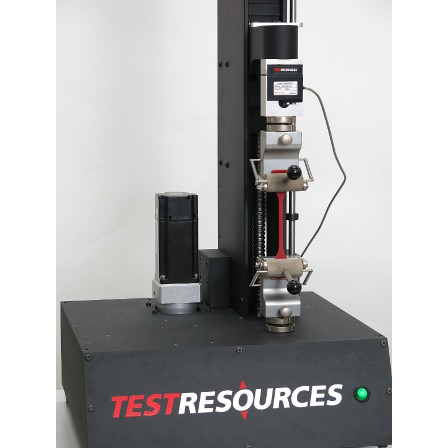
What Are the Different Types of Rubber That Is Commonly Tested?
Natural rubber is the most common rubber, and is known for its good tensile strength, resilience, and elasticity. It is used in tires, hoses, and seals.
Synthetic rubber such as styrene-butadiene rubber (SBR), nitrile rubber (NBR), ethylene propylene diene monomer (EPDM), and silicone are used in tires, belts, footwear, hoses, seals, gaskets, roofing materials, belts, medical devices, food-contact applications, and high-temperature applications.
What Are the Common Rubber and Elastomer Tests?
Tensile testing measures tensile strength, modulus of elasticity, and elongation at break. In these applications, dumbbell-shaped specimens are gripped and stretched at a constant test speed until they break.
Compression testing measures a rubber's resistance to compressive forces. Cylindrical specimens are compressed between compression platens at a constant rate until they reach a specific strain or fracture.
Tear testing measures a rubber's resistance to tearing or propagation of cracks using tear geometries, such as angle, nick, and trouser tears.
Shear testing measures the test sample's ability to withstand shear forces such as block shear, ring shear, and simple shear.
Hysteresis testing measures the energy loss experienced by the elastomer during dynamic cyclic loading and unloading.
Fatigue testing measures how well rubber or elastomers perform under cyclic and dynamic loading. There are many different applications including dynamic fatigue flexing and compressing of tires and hoses, tensile crack propagation of seals and gaskets, flexural fatigue of conveyor belts and shoe soles, and also high strain low cycle fatigue of rubber components in engine mounts and bushings.
How Do You Perform a Test on Rubber and Elastomers?
The specific equipment needed for testing rubber and elastomers depends on your test applications. However, the most common equipment used to test rubber and elastomers is a universal test machine. Universal test machines are extremely versatile and can perform various tests on rubber specimens, including tensile strength, rubber peel adhesion strength, tear strength, and compression strength by simply switching out different grips and fixtures. Sometimes a fatigue test machine is needed.
Get a Complete Test System for Your Test Application
Completing your material test system is easy. Simply start by choosing a test machine, choose your accessories, and select your controller software. We are your one-stop shop for all your application testing needs.
Request a QuoteRubber & Elastomer Test Machines
Test machines specifically configured to test rubber & elastomers
Choose from a wide variety of test machines for all your rubber and elastomer testing applications. Each machine is configured to match your application requirements.
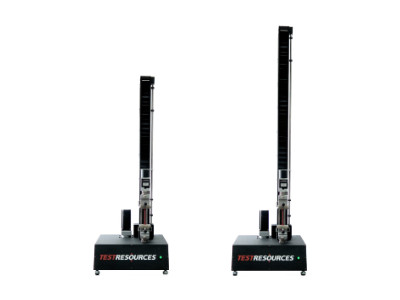
5 kN Universal Test Machines
200 SERIES
Versatile & Long Travel
- Force Capacity:
- up to 5 kN (1,125 lbf)
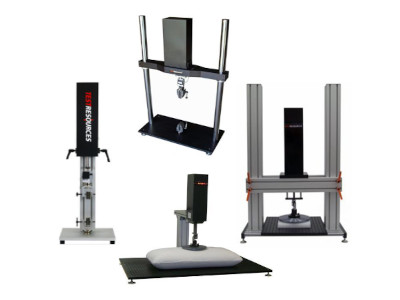
10 kN Universal Test Machines
100 SERIES
Versatile & Long Travel
- Force Capacity:
- up to 10 kN (2,250 lbf)
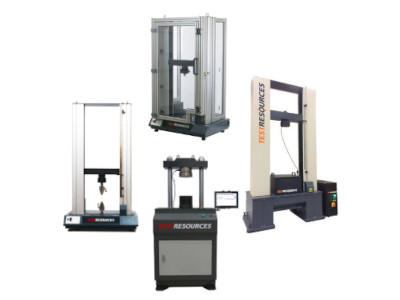
500 kN Universal Test Machines
300 SERIES
High Capacity Electromechanical
- Force Capacity
- up to 500 kN (112 kip)
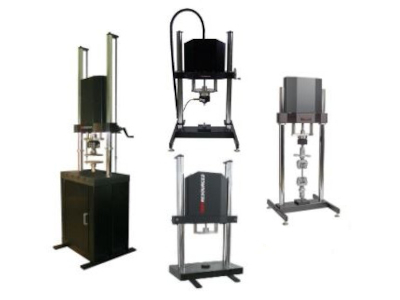
50 kN Fatigue Test Machines
800 SERIES
Mid-force, high performance, dynamic testing systems
- Force Capacity
- up to 50kN (11250 lbf)
- Frequency
- up to 15 Hz
Newton Test Controller
From simplified test setups to an intuitive controller software interface and pre-configured methods for industry standards - this innovative technology ensures that your test application are conducted seamlessly and with precision.
Accurate & Repeatable Test Results
- Simple test setup, operation, and reporting
- Flexible and scalable software packages - Get what you need now with room to grow!
- Prebuilt test methods for many of the most common application-specific testing standards
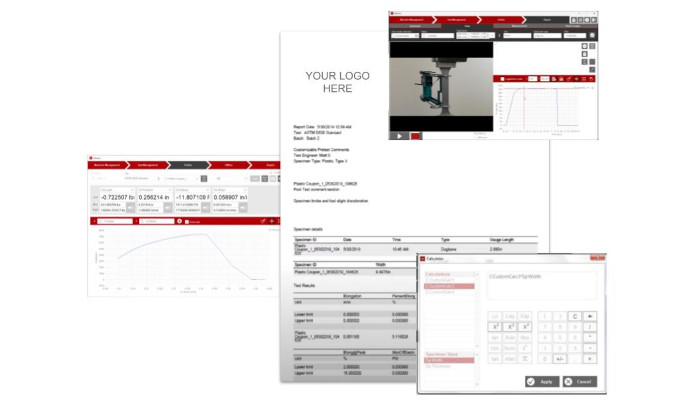
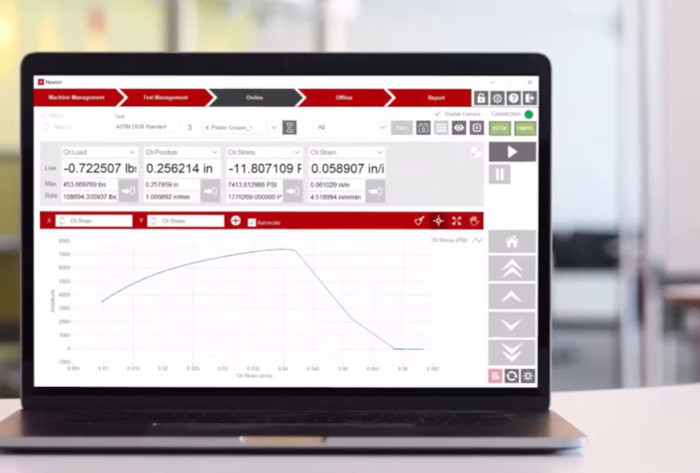
High-performance and easy-to-use controller with logical workflow design
With an intuitive interface, Newton makes it easy for users to navigate through various options and settings, ultimately enhancing the overall user experience. By streamlining complex procedures into user-friendly steps, this software serves both experienced test engineers and beginners alike to conduct tests with confidence and accuracy.
Due to the massive selection of products that we offer, it can be difficult to narrow down what you need. Let us help you select and configure based on your testing application.
Rubber & Elastomer Testing Accessories
General Purpose
Choose from 100's of standard rubber test accessories as well as custom solutions. All of our rubber test fixtures will fit any brand of test machine through the use of an adapter.
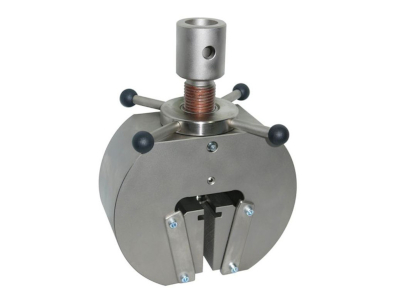
Tensile Grips
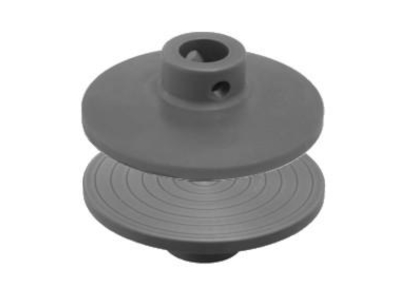
Compression Test Fixtures
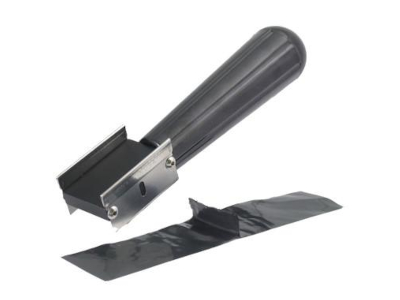
Sample Cutters
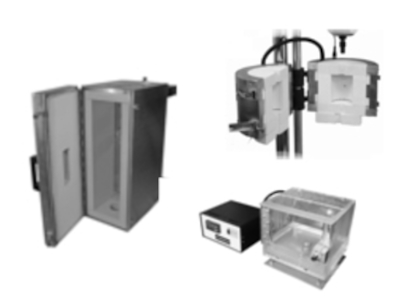
Environmental Accessories
Specialized Rubber Testing Accessories
Use the tables below to search for the fixture that matches your sample the best. Can't find what you are looking for? Contact us. We are confident we have what you need.
Special Rubber Fixtures by Test Type


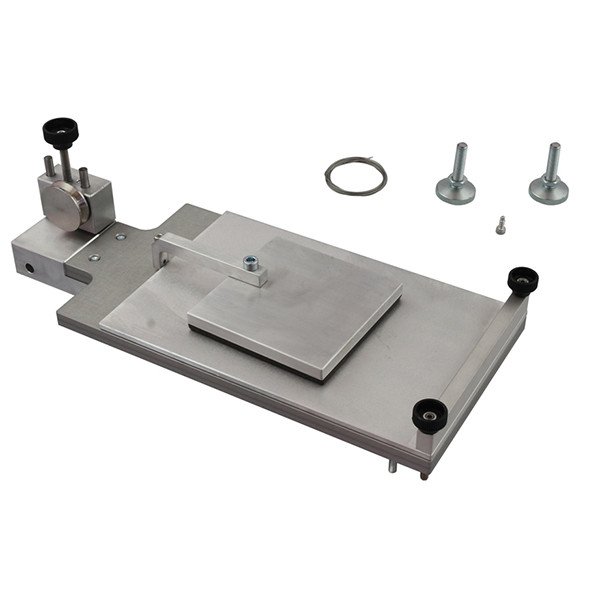


Special Rubber Fixtures by Product Type

Talk to one of our Engineers to help you navigate the vast selection of testing accessories to find the perfect fit for your testing application.
Rubber Products & Elastomer Materials Testing Standards
Common Standards for Testing Rubber & Elastomers:
- ASTM D412 Tension Tests of Rubber and Elastomers
- ISO 37 Stress Strain Properties of Rubber
- ASTM D575 Rubber Properties in Compression
- ISO 188 Stiffness and Compressibility of Rubber Materials
- ASTM D624 Tear Strength of Rubber and Thermoplastic Elastomers
Rubber & Elastomer Testing Standards by Standards Organization:
There are numerous rubber testing standards available. If you have a specific standard that you will be using, please refer to this table to find and learn more about the products we recommend for that particular standard.
