
Tensile Testing Machines: Affordable & Customizable
Universal Test Systems for ASTM & ISO Tensile Applications
Optimize your material testing with high-performance tensile test machines designed for precision and efficiency. Our systems generate ASTM and ISO-compliant reports to eliminate regulatory risk while pinpointing material limits to reduce over-engineering costs. Maximize lab productivity and ensure total data integrity with intuitive software that identifies defective raw materials to prevent costly recalls. From modular versatility to automated reliability, our tensile testers are built to future-proof your quality control and streamline every shift.
Request a Quote Use Configurator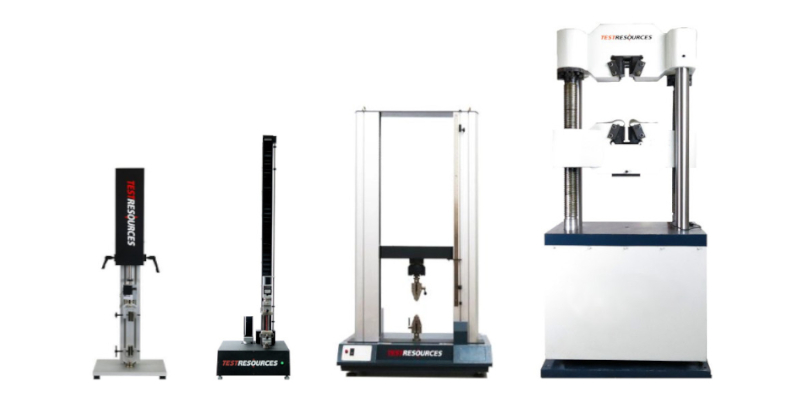
Why Choose Our Tensile Test Machines
Our tensile test machines measure ultimate tensile strength, yield strength, elongation, modulus, and more, and each system is expertly configured to your testing requirements by our application engineers with the correct controller, grips, and accessories.
Key Features
- Cost‑effective solutions
- Highly versatile, customizable, and scalable
- Purchase only the capabilities you need - add more anytime
- Electromechanical test systems ranging from sub‑gram capacities up to 300 kN (112 kip)
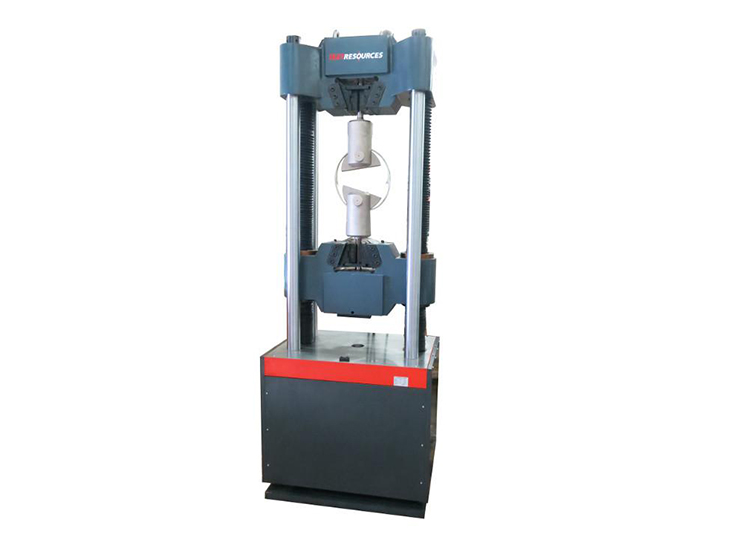
- Electrohydraulic test systems from 300 kN (112 kip) up to 2000 kN (450 kip)
Top Benefits of Our Tensile Test Machines
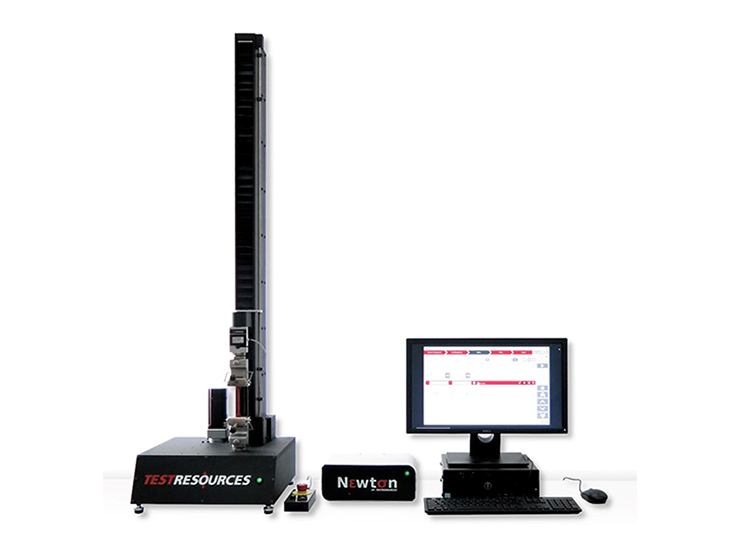
Our tensile test machines utilize our Newton controller to deliver exceptional accuracy and dependability. These tensile testers are specifically engineered to perform a wide range tests to a wide range of industries. 1000’s of professionals, including researchers, quality control experts, and product developers depend on our tensile test machines.
Request a Free Consultation Use ConfiguratorHighly Accurate
Engineered for precise, repeatable results - ensuring material quality and safety across a wide range of applications.
Exceptional Quality
Deliver higher‑quality results by improving test efficiency and identifying issues early in the process.
Efficient and User-Friendly
Our tensile testing software automates setup, data capture, and analysis - saving time and lowering operational costs.
Extremely Versatile
Our tensile testers replace multiple machines by handling a wide range of tests, making them a cost-effective choice.
Selecting a Tensile Testing Machine by Force Capacity
Get started configuring your tensile tester by choosing a series of universal test machines based on the maximum force required for your test application.
Micro
Low sub-gram forces
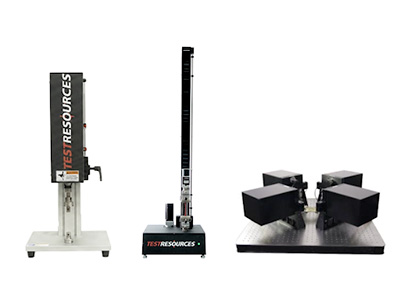
High-precision machines with a 32-bit system featuring an exceptionally low noise floor. Ideal for biological applications, electronics and R&D.
Low Force
Forces up to 10 kN
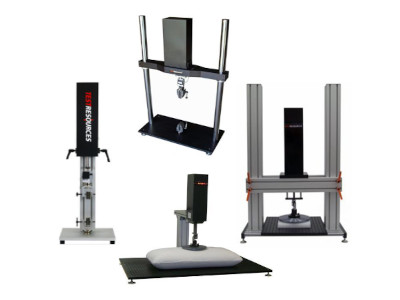
Compact machines ideal for high-elongation materials like rubber, thin films, fibers, and biological tissues.
Mid-Range
Forces up to 300 kN
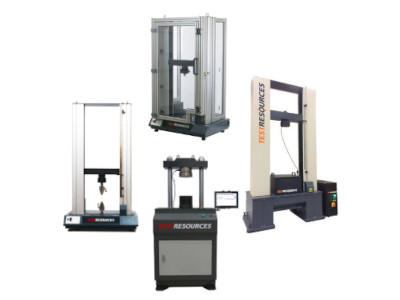
The versatile workhorse for most metals, rigid plastics, and composites. Dual-column design for high stiffness.
High Force
Forces up to 3 MN
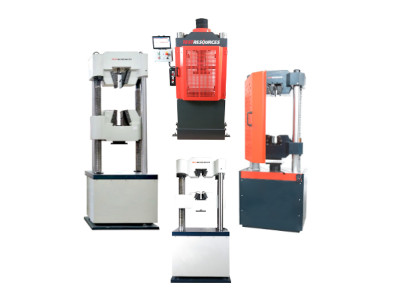
Rugged systems for high-capacity testing of steel rebar, fasteners, concrete, and heavy industrial components.
Newton Universal
Newton Universal simplifies testing with intuitive controller software, streamlined setups, and pre‑configured industry‑standard methods - delivering precise, seamless results every time. From basic material tests to advanced multi‑stage experiments, it adapts to your needs and empowers innovation.
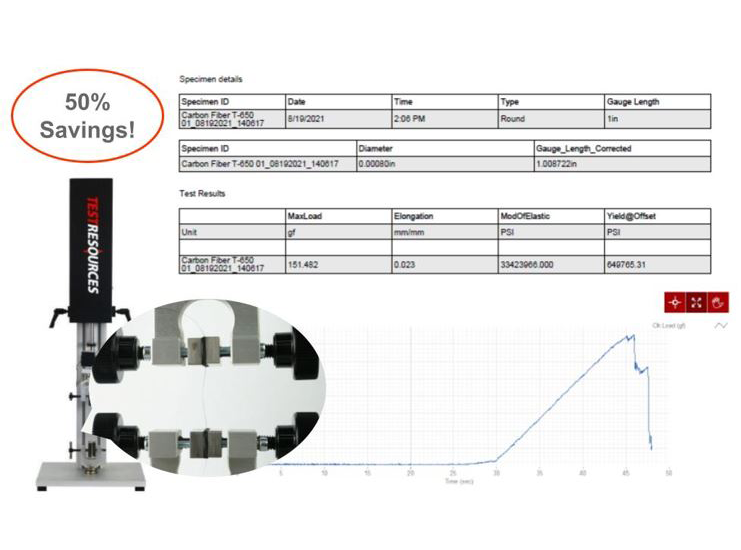
With advanced reporting and analysis powered by the Newton controller, you gain access to a full range of tensile calculations, including Ultimate Tensile Strength, Modulus of Elasticity, Yield Strength, Strain, and more.
Experience smarter testing with Newton Universal.
Request a Demo
Logical Workflow Design
Streamlined, intuitive interface for faster testing and analysis.

Real-Time Data Insight
Real‑time data visualization enables instant insight into material behavior.
Simplified Test Setup
Streamlined processes boost efficiency - saving time and money.
Presaved Test Methods
Presaved test methods remove the need for manual inputs.
Comprehensive Data Export
Supports in‑depth post‑test analysis and the creation of professional reports.
Scalable & Customizable
Flexible, modular functionality you can expand over time.
Get a Complete Tensile Test System With Grips, Fixtures & Accessories
Choose from a wide range of controller software packages, grips, fixtures, chambers, video extensometers and more, are all designed to perform thousands of ASTM, ISO, EN, DIN and JEDEC industry standard test methods.
When you're ready to complete your system, contact us, and an application expert will help you optimize your system to your test requirements and budget.
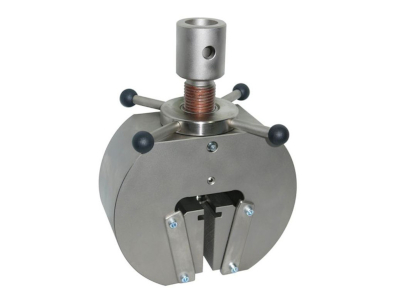
Tensile Grips
Our tensile grips come in a variety of shapes, sizes, and materials for versatile testing applications. Built for reliable performance, they’re ideal for testing elastomers, metals, composites, plastics, and more.
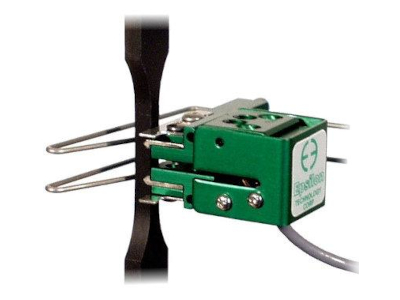
Extensometers
We offer a wide range of extensometers, including contact and non‑contact options, for reliable tensile, compression, and cyclic testing across diverse applications.
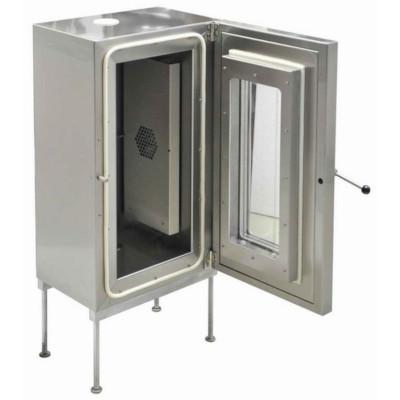
Environmental Accessories
Some test specimens require controlled environments. Our environmental accessories let you freeze, heat, humidify, dry, or submerge samples to meet your testing needs.
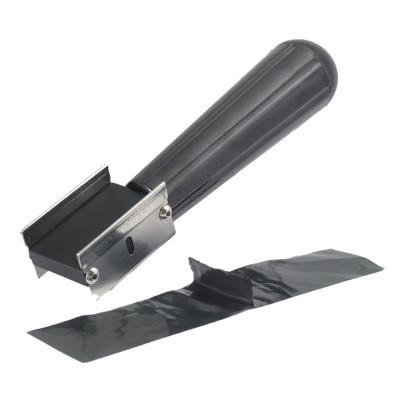
Sample Preparation Aids
Reliable test results start with consistent specimens. When cutting samples from stock materials like rubber, plastics, leather, or foam, you need a tool that delivers identical geometry every time.
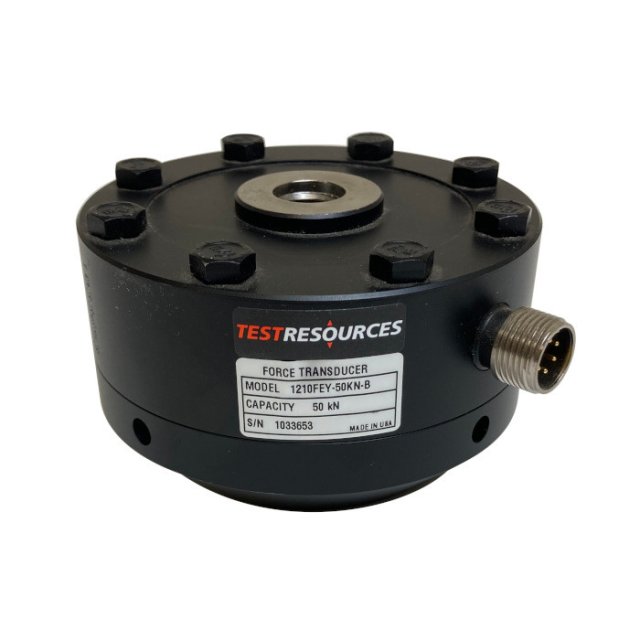
Load Cells
Find high‑accuracy load cells for demanding tests, including static, fatigue‑rated, and axial torsion models engineered for precise force and torque measurement.
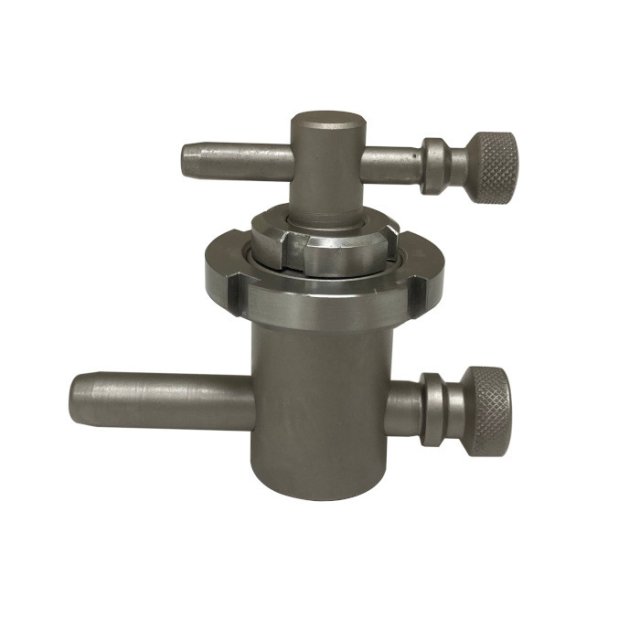
Adapters
Easily integrate our grips and fixtures with any brand of test machine using our wide range of adapters, including options for Instron®, MTS®, TestResources, and others.
Tensile Test Applications
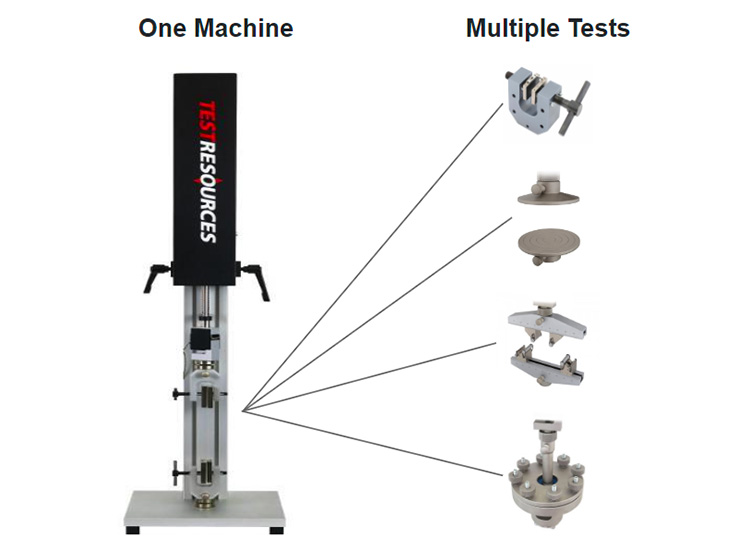
Using some of our tensile testing accessories, you can test a wide range of tensile test applications. We have sample cutters, grips and fixtures, biobaths, extensometers, and more! These are just a few examples of what you can do with one of our tensile testers.


Get Exactly What You Need, Both Now and in the Future
From tensile tests to compression, bend and puncture - you name it, these machines can do it all!
Their ability to perform various types of tests makes them an invaluable tool for ensuring the quality and reliability of materials across different applications.
Get a Modified or Customized Solution
Can’t find a system that fits your needs? No problem. We give you the flexibility to co‑engineer your own solution. With our wide range of standard products and modular sub‑assemblies, we can quickly and cost‑effectively tweak an existing design - or create a completely custom system from scratch.
Whether you need a simple adjustment or a fully optimized machine for a specific application, we’ll make sure you get exactly what you need.
If you need something special, we can handle it - whether it’s custom sizes, unique grips or fixtures, high or low force static or dynamic control, position or strain control, environmental chambers, or multiaxial testing. Whatever the requirement, we can tailor a solution to fit, with possibilities that are virtually endless.
Engineering Expertise
When you work with us, you get the best engineers to solve your testing and budgetary challenges. Whether you’re new to testing or a testing expert yourself, we can help you optimize your system AND YOUR BUDGET.
- High Quality Products
- Experienced Engineers
- Exceptional Support
- Turning Innovation into a Team Sport
- Made to Go Where Others Won’t
Custom Tensile Test System for Water Management Pipes
A startup pipe manufacturing company in the oil and gas sector partnered with us to develop a cost-effective system designed to accommodate a broad range of pipe sizes for water management solutions.
Customer Requirements:- Testing of high‑density pipe materials
- Custom fixtures for varying pipe diameters
- Compliance with ASTM D2290 testing standards
Find Your Perfect Test Machine
Use our configuration tool to filter through our products and find the exact model for your needs.
Find Your Machine Ask an Expert
What Our Clients Say
Tensile Testing Machine FAQs
Buying a tensile testing machine (also known as a Universal Testing Machine or UTM) is a significant investment for any lab or manufacturing facility. To help you navigate the process, here are 10 frequently asked questions covering the technical and practical aspects of the purchase.
The primary difference is load capacity and testing space.
- Single-column: Generally designed for lower forces (usually up to 5 kN or 1,100 lbf). They are ideal for testing fibers, plastics, or thin films.
- Dual-column: Built for higher-force applications (up to 600 kN) and provide a wider testing area for larger samples or environmental chambers.
You should base the capacity on your strongest material and largest cross-sectional area. A good rule of thumb is to choose a machine where your expected peak test loads fall between 20% and 80% of the frame's total capacity. This ensures accuracy and longevity of the load cell.
Yes! This is why they are often called Universal Testing Machines (UTM). By changing the grips and fixtures, the same frame can perform:
- Compression testing
- Flexure/Bend testing (3-point or 4-point)
- Peel and tear testing
- Shear testing
A load cell is the sensor that measures the force applied to the specimen. While a machine comes with one, you might need others if you test a wide range of materials. For example, a 50 kN load cell may not be sensitive enough to accurately measure a delicate thread that breaks at 5 N.
Grips are application-specific. Choosing the wrong one can lead to "slippage" or "jaw breaks."
- Manual Wedge Grips: Good for general metals and plastics.
- Pneumatic Grips: Best for high-volume testing and repeatable clamping pressure.
- Capstan Grips: Specifically for wires, cords, and threads.
- Hydraulic Grips: Used for very high-strength steel and composites.
While the machine tracks "crosshead displacement," this includes the stretching of the machine frame itself. If you need highly accurate strain data (like calculating Young's Modulus or Yield Strength), an extensometer is required. These can be contact-based (clipt-on) or non-contact (Video or Laser extensometers).
The software is the "brain" of your system. Ensure it offers:
- Pre-built templates for international standards (ASTM, ISO, DIN)
- Real-time graphing of stress vs. strain
- Data export capabilities (CSV, PDF, or SQL)
- User permission levels to prevent unauthorized changes to test methods
Most industry standards (like ASTM E4 or ISO 7500-1) require calibration annually. However, you should also calibrate the machine if it is moved or if you suspect the load cell has been overloaded.
- Power: Low-capacity machines usually run on standard 110V/220V outlets. High-capacity hydraulic machines may require three-phase power.
- Air: If you use pneumatic grips, you will need a clean, dry compressed air supply.
- Space: Ensure you have enough overhead clearance, especially for "extra-height" frames used for high-elongation materials like elastomers.
Ensure the manufacturer provides documentation that the hardware and software are capable of meeting specific standards relevant to your industry, such as ASTM E8 (Metals), ASTM D638 or ISO 527 (Plastics).
