
Shear tests are used to measure the shear strength of a material. They provide insights into a material's resistance to deformation when exposed to a force. Shear stress occurs when two parts of a surface or two different surfaces slide past each other when force is applied.
We have a wide range of shear testing equipment that can be configured for your exact application. Each shear test machine is configured to your testing needs by our application engineers with the correct controller, grips, and accessories. Our team of shear testing experts are dedicated to helping you find the right solution that meets your specific requirements.
Get application support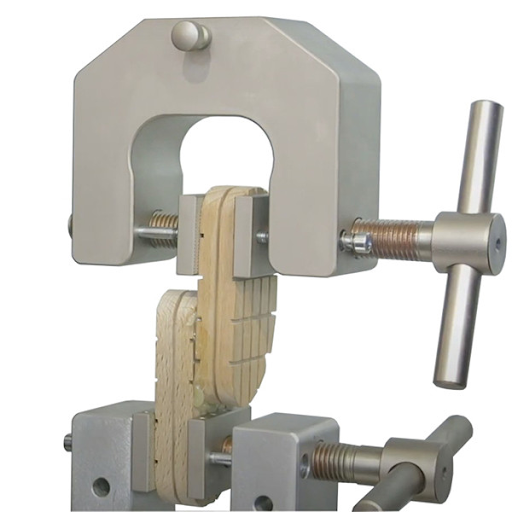
What Is a Shear Test?
A shear test is a mechanical test that determines how a material behaves under shear stress. Measuring the maximum shear stress a material can withstand before failure is important for understanding its performance and integrity under applied shear forces. Shear stress occurs when two opposing forces act parallel to a surface, trying to slide one part of the material across another. Unlike tensile or compressive stresses, shear involves in-plane forces rather than forces perpendicular to the surface. Shear tests reveal how a material resists deformation or failure due to forces that could cause layers to slide or twist.
What Are the Different Types of Shear Tests?
Direct shear tests measure a material's shear strength by applying a shear force directly along a predefined plane within the test specimen. These are the 3 most common types of shear tests:
-
Single shear tests involve samples that are clamped with a force applied, causing them to slide and fail. Applications include lap joints, sheet materials, and fasteners.
-
Double shear tests involve samples that are supported at the center and force is applied at two locations, creating two shear planes. These tests are suitable for bolts, rods, and materials where a single shear could create a bending load.
-
Punch shear tests involve a cylindrical punch forced through a clamped sheet material. Applications include shear tests of thin metals and plastics.
Special Challenges Associated With Shear Testing
Shear testing applications face several challenges when it comes to test equipment:
Achieving Accurate Alignment and Minimizing Bending
In ideal shear, the applied force acts purely parallel to the shear plane. However, slight misalignments in test fixtures or specimens can induce unwanted bending stresses. Bending introduces a mix of shear and tensile/compressive stresses, corrupting the measurement of true shear properties. This makes it difficult to compare results between labs or to use the data for materials modeling. Our shear fixtures are carefully designed to minimize non-shear stresses. Talk to us about solutions.
Precise Measurement of Shear Strain
Shear deformation before failure may be small in the case of brittle samples, making use of standard clip-on extensometers. TestVE is not only a video based extensometer that measures the displacement of two gage points, but also features use of digital image correlation software which makes it possible to track tiny surface displacements or deformations. Additionally, Newton data acquisition rates are high, making it possible to capture peak stresses and failure behavior of brittle materials.
Contact us to learn more about TestVE
Failure Modes
Shear failure rarely occurs in isolation. It may combine with tensile, compressive, or fracture modes in complex ways, especially in anisotropic materials such as wood or composites.
Brittle Materials
Brittle materials fail abruptly in shear. Capturing accurate data requires high-speed acquisition or optical strain monitoring. Brittle materials undergo minimal deformation before fracture, making precise strain measurements even more critical for extracting useful information.
What Equipment Do I Need to Perform a Shear Test?
The specific equipment needed to perform a shear test depends on your application. However, the most common equipment used for a shear test is a universal test machine configured for your specific needs. Universal test machines are extremely versatile and can perform various tests on a variety of different samples by simply switching out different grips and fixtures.
Complete Shear Test Machines can include the following:
- Shear Test Machine (Also known as a Universal Test Machine)
- Shear Grips or Fixtures
- Controls
- Load Cell
- Extensometer
- Sample Preparation Tools
- Environmental Accessories
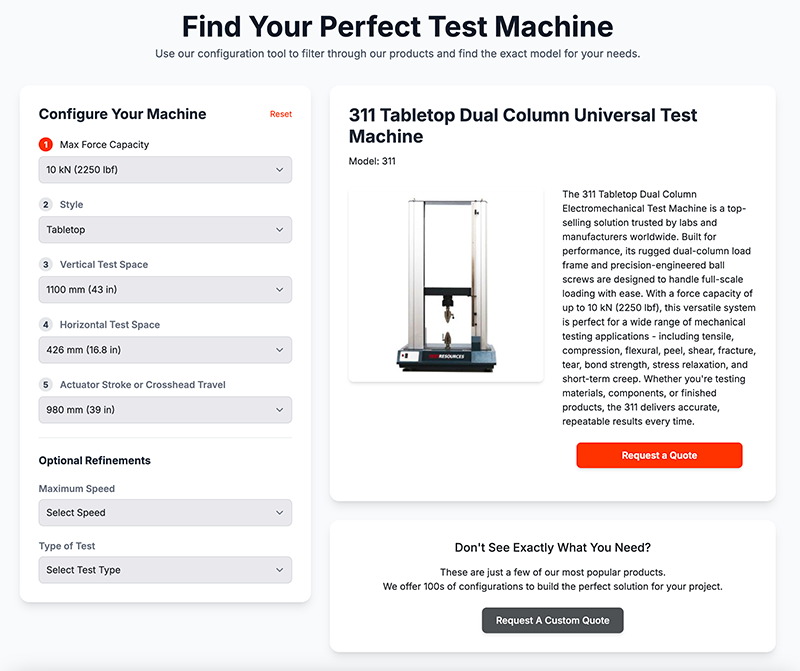
Need a Test Machine?
Use our free configuration tool to find the exact model for your needs.
Benefits of Using a Universal Test Machine in Shear Test Applications
A Universal Testing Machine (UTM) is a good test equipment solution for shear testing applications:
Load Frame Adaptability and Versatility
A universal test machine can accommodate multiple shear test setups including single shear, double shear, and lap shear for adhesives and fasteners; Punch shear tests for thin sheet materials; and multiple composites applications. The same UTM used for shear can also conduct tensile, compressive, flexural, or other mechanical tests on a variety of materials. Obtaining accurate test results is important for reliable assessments, particularly in failure mode analysis and shear tests, where test results provide critical data for calibrating parameters and understanding the mechanics behind material performance.
Newton Controller features Precision & Control
Newton controllers offer precise control of test speed and loading rates. Measure shear deformation using clip on extensometers or digital image correlation (DIC). Program complex loading patterns, hold times, or cyclic shearing, replicating real-world conditions experienced by components.
Newton Software Data Acquisition and Analysis
Generate complete shear stress-strain curves, going beyond simple failure point data. Recorded data helps pinpoint whether the failure was cohesive, adhesive, or test setup misalignment. UTMs provide the flexibility and data output for detailed investigations into material responses, microstructural effects on shear, and validating new material models. Data from shear tests include shear strength, shear modulus (G), and shear strain.
Engineered Shear Fixtures
Achieving accurate shear testing on a universal testing machine often requires specialized fixtures that minimize unwanted bending or out-of-plane loading, which can skew the results. Sudden, brittle fractures in shear can make it difficult to capture data with standard extensometers. High-speed data acquisition and optical strain measurement might be needed.
Get a Complete Test System for Your Test Application
Completing your material test system is easy. Simply start by choosing a test machine, choose your accessories, and select your controller software. We are your one-stop shop for all your application testing needs.
Request a QuoteShear Test Machines
Shear test machines are usually universal testing machines that are specially configured to evaluate shear strength characteristics of materials, products and components. Our wide variety of shear test machines are designed to measure characteristics such as shear stress and shear strain.
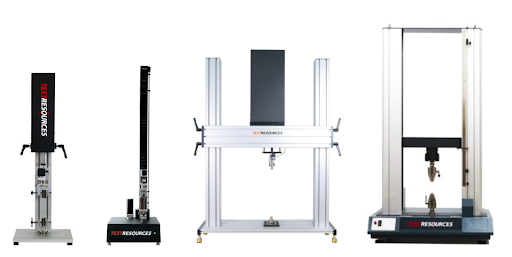
Choose from over 36 models with force capacities ranging from very low forces up to 500 kN (112,500 lbf), offering hundreds of configuration options. This allows you to optimize your testing capabilities and select exactly what you need.
Newton Test Controller
From simplified test setups to an intuitive controller software interface and pre-configured methods for industry standards - this innovative technology ensures that your test application are conducted seamlessly and with precision.
Accurate & Repeatable Test Results
- Simple test setup, operation, and reporting
- Flexible and scalable software packages - Get what you need now with room to grow!
- Prebuilt test methods for many of the most common application-specific testing standards
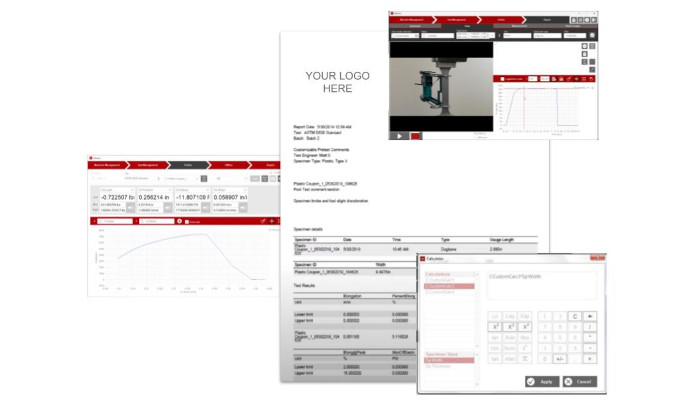
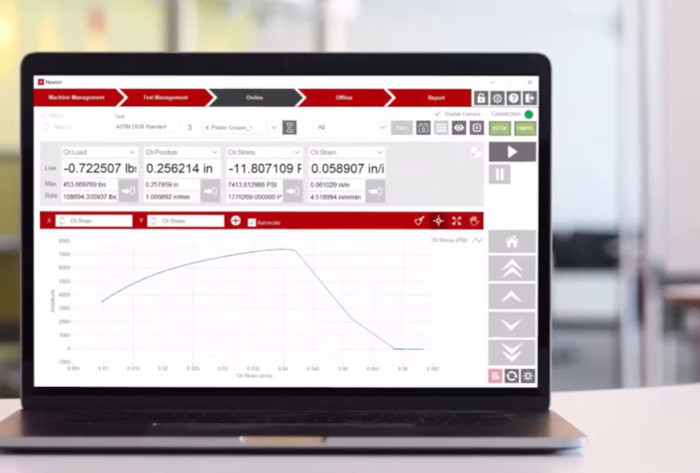
High-performance and easy-to-use controller with logical workflow design
With an intuitive interface, Newton makes it easy for users to navigate through various options and settings, ultimately enhancing the overall user experience. By streamlining complex procedures into user-friendly steps, this software serves both experienced test engineers and beginners alike to conduct tests with confidence and accuracy.
Shear Test Analysis
Analyzing shear stress and strain is crucial for various engineering applications. It helps predict the behavior of materials and components under shear loading conditions. This knowledge is needed to design structures that can withstand expected shear forces without failure.
These are some of the calculations you can expect with our Newton controller with your shear test
Shear Stress
Shear Stress (τ) is the internal resistance of the material to this deformation and is defined as the force (F) acting parallel to the area (A) over which it acts.
Formula: τ = F / A Units: Shear stress is typically measured in Pascals (Pa) or megapascals (MPa) in the SI system and pounds per square inch (psi) in the US customary system.
Shear Stress examples
- Rivet or bolt experiencing shear force to hold two plates together.
- Glue resisting the separation of two bonded surfaces.
Shear Strain
Shear Strain (γ) describes the deformation caused by shear stress. It's a dimensionless quantity representing the relative displacement between two parallel layers of material. It's calculated as the ratio of the displacement (Δx) of one layer relative to another to the original distance (d) between the layers.
Formula: γ = Δx / d A higher shear strain value indicates a larger relative displacement between the layers, signifying a more significant distortion of the material.
What Is the Relationship Between Shear Stress & Shear Strain?
The relationship between shear stress and shear strain may be non-linear and depends on the material's behavior. For many materials, there's a proportional relationship in the initial elastic region. This proportionality constant is known as the shear modulus (G), which represents the material's stiffness in shear.
Formula: τ = Gγ (within the elastic region). Beyond the elastic limit, the material's behavior becomes more complex, and the relationship between stress and strain becomes non-linear. Some materials may experience plastic deformation or even fracture.
Contact us for more information about how Newton can help you with your application
Shear Testing Accessories
Choose from 100's of shear test accessories to complete your shear test machine. All of our shear accessories will fit any brand of test machine through the use of an adapter.
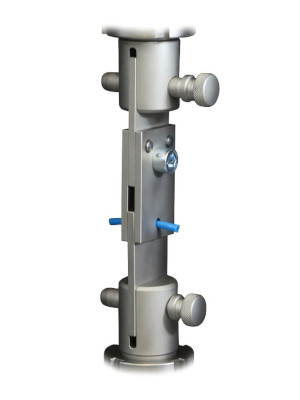
Our shear grips are available in a variety of shapes, sizes, and materials to meet your specific needs. They are designed for materials like metal, wood, plastic, ceramic, and more.
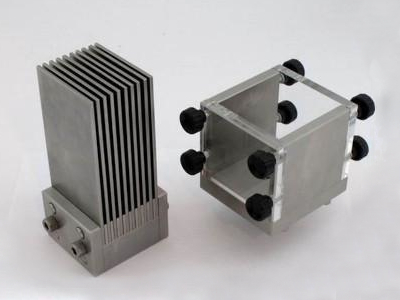
Shear Test Fixtures
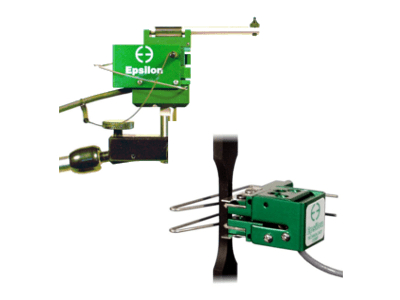
Deflectomer
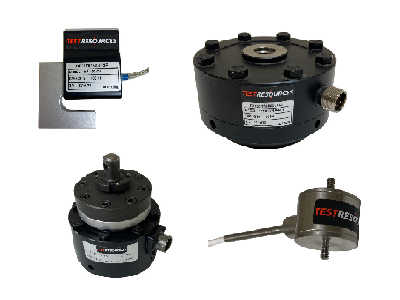
Load Cells
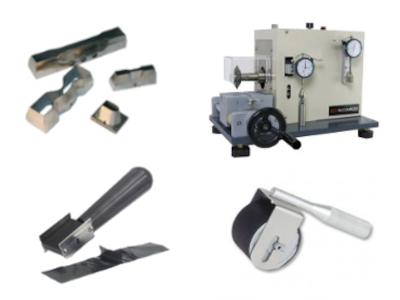
Sample Preparation Aids
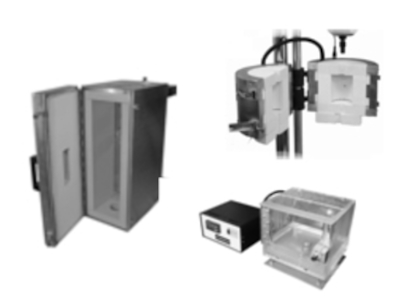
Environmental Accessories
Talk to one of our Engineers to help you navigate the vast selection of testing accessories to find the perfect fit for your testing application.
What Are the Common Shear Stress Standards?
Adhesives Lap Shear Strength of Single-Lap Joints
- ASTM D1002 Apparent Shear Strength of Single Lap Joints
- ASTM D5868 Lap Shear Adhesion for Fiber-Reinforced Plastic (FRP) Bonds
- ASTM D3163 Strength of Adhesively Bonded Rigid Plastic Lap-Shear Joints
Plastics
- ASTM D732 Shear Strength of Plastics
Fasteners and Joining Shear Strength of Bolts, Screws, Studs, Rivets and Pins
- ASTM F606 Threaded Fasteners, Washers, Direct Tension Indicators, and Rivets
- ASTM F2280 Metallic Fasteners in Shear by Single Shear
- ASTM B568 Shear of Aluminum Rivets and Cold-Heading Wire and Rods
- Industrial Fasteners Institute (IFI) Standards
Wood
- ASTM D143 Clear Specimens of Timber (shear parallel to the grain of wood)
- ASTM D905 Shear Strength of Adhesive Bonds by Compression Loading
- ASTM D5456 Evaluation of Structural Composite Lumber
Composites
- ASTM D2344 Short-Beam Strength of Polymer Matrix Composite Materials and Their Laminates
- ASTM D5379 Shear Properties of Composite Materials by Losipescu - The V-Notched Beam Method
- ASTM D3518 In-Plane Shear Response of Polymer Matrix Composite by Tensile Test of a ±45° Laminate
- ASTM D7078 Shear of Composite Materials by V-Notched Rail Shear
- ISO 14129 Fiber-Reinforced Plastic Composites In-Plane Shear Stress/Strain Tensile Test of a ±45° Laminate
- ISO 14126 Fiber-Reinforced Plastic Composites Compressive Properties in The In-Plane Pirection
Metals
- ASTM E517 Plastic Strain Ratio r for Sheet Metal (double-notch shear specimen)
- ASTM E855 Bend Testing of Metallic Flat Materials for Spring Applications (punch shear)
Shear Testing Standards by Standards Organization:
If you have a specific standard that you will be using, please refer to this table to find and learn more about the products we recommend for that particular standard.
Identify Your Standard by Your Specific Application
Identify the closest test method for your material. There are multiple international standards organizations and subsequent standards including ASTM, ISO and 20+ others. If you have a specific material that you will be using, please refer to this table to find and learn more about the products we recommend for testing that specific material.
What if I Don’t Have a Specific Test Standard or Don’t Know Exactly What I Need?
We can guide you through the process of configuring a machine, whether the purpose is to help you create a budget or to buy a machine.
What Are the Common Shear Testing Applications?
- Construction: Assessing the shear strength of structural components like concrete, steel, and fasteners.
- Shear strength tests of steel beams and reinforcing bars are common.
- Shear capacity tests of concrete beams, reinforcing bars, and structural elements.
- Manufacturing: Quality control of welds, adhesives, composites, and various parts across a wide range of industries.
- Lap shear tests are used to evaluate adhesives, control the quality of bonds, and select adhesives
- Interlaminar shear tests measure interlaminar properties within composites.
- Plastic punch tests measure the shear strength of plastics.
- Weld shear strength tests assess the integrity of welds.
- Aerospace and Automotive: Essential for components subjected to high shear loads, ensuring safety and reliability.
- Shear tests of materials and bonds ensure they can withstand high forces.
- Shear strength tests make it possible to design lighter-weight components.
- Research and Development: Characterizing new materials, improving manufacturing processes, and understanding failure mechanisms.
- Biomedical implants, biological samples, and tissue are characterized by shear tests.
Industry-Specific Shear Testing
Shear testing is a crucial aspect of various industries, including construction, manufacturing, and geotechnical engineering. Each industry requires specific types of shear tests to evaluate the properties of materials and structures effectively. For instance, in the construction industry, shear tests are essential for determining the shear strength of soil, which is vital for designing stable foundations, retaining walls, and slopes. Accurate shear strength data ensures that these structures can withstand the forces they will encounter in real-world conditions.
In the manufacturing sector, shear tests are used to evaluate the shear strength of materials such as metals, plastics, and composites. This testing ensures that these materials are suitable for their intended applications, whether in automotive components, aerospace structures, or everyday consumer products. By understanding the shear strength characteristics of these materials, manufacturers can make informed decisions about material selection and product design, ultimately leading to safer and more reliable products.
Soil Shear Strength Testing
Soil shear strength testing is an important component of geotechnical engineering, providing essential data for the design and construction of various structures. The direct shear test is one of the most commonly used methods for determining the shear strength of soil. This test involves applying a shear force to a soil sample and measuring the resistance to sliding along a predefined plane. The results help engineers assess the stability of slopes, design effective retaining walls, and ensure the integrity of foundations.
Other important soil shear strength tests include the triaxial test and the unconfined compression test. The triaxial test measures the shear strength of soil under controlled stress conditions, providing valuable insights into the soil’s behavior under different loading scenarios. The unconfined compression test, on the other hand, is used to determine the shear strength of cohesive soils without the need for lateral confinement. These tests are essential for understanding the shear strength characteristics of soil, which is crucial for safe and effective geotechnical design.
Thest are just a few examples of shear testing applications:
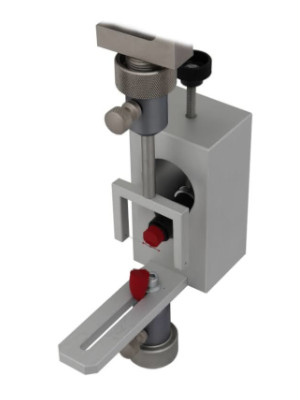
Lipstick
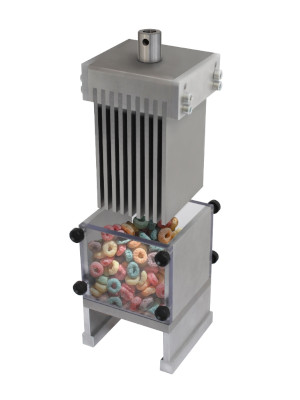
Cereal
Coated Wire
Conclusion
Shear testing is a critical aspect of various industries, including construction, manufacturing, and geotechnical engineering. These tests are used to evaluate the properties of materials and structures, ensuring their suitability for a wide range of applications. In geotechnical engineering, soil shear strength testing is particularly important for designing stable foundations, retaining walls, and slopes. Methods such as the direct shear test, triaxial test, and unconfined compression test provide valuable data on the shear strength of soil, helping engineers create safe and reliable designs. By understanding and applying the principles of shear testing, professionals across different fields can enhance the safety, performance, and durability of their projects.
