
Compression Force Deflection (CFD) of Flexible Polyurethane Foam per ASTM D3574 Test C
Compression deflection is a critical property of elastomeric materials that plays a significant role in determining their performance in various applications. It measures the force required to compress a material by a specified percentage of its thickness, providing a standard to compare the firmness and flexibility across different materials. Understanding compression deflection is essential for designers and engineers to select the right materials for their applications and ensure optimal performance. By evaluating the compression deflection, professionals can make informed decisions about material suitability, ensuring that the chosen materials will perform reliably under the expected conditions.
ASTM D3574 Test C Overview
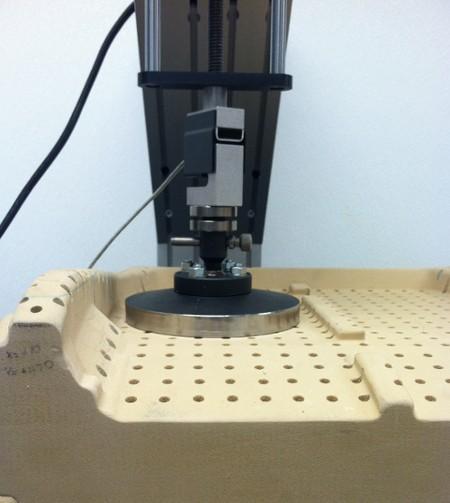
ASTM D3574 Test C is a comprehensive and standardized method specifically designed for measuring the compression deflection of flexible cellular materials, such as polyurethane foam. This test is crucial in evaluating the material's ability to withstand compressive loads and maintain its original shape and thickness. During the test, a compressive load is applied to a material specimen, and the resulting deflection is meticulously measured. This process helps determine the material’s resistance to compressive forces, providing valuable insights into its performance under stress.
The results of the ASTM D3574 Test C are expressed in terms of the force required to compress the material by a specified percentage of its original thickness. This standardized approach ensures consistency and reliability in measuring the compression deflection properties, making it easier to compare different materials and their performance under similar conditions. By using this method, engineers and designers can assess the firmness and flexibility of various materials, aiding in the selection of the most suitable material for specific applications.
The test results are instrumental in determining the material's suitability for a range of applications, such as cushioning, sealing, and other uses where maintaining shape and integrity under pressure is essential. The ASTM D3574 Test C is widely utilized across industries to ensure that materials meet the necessary standards and perform reliably in their intended applications. By understanding and applying the results from this test, professionals can make informed decisions about material selection, ensuring optimal performance and longevity in their products.
ASTM D3574 vs ISO 3386
ASTM D3574 Test C and ISO 3386 both measure the force-deflection properties of flexible polyurethane foam at a constant test speed, or rate of extension (CRE). Compression deflection tests are crucial for assessing the performance of materials to determine the appropriate polymer compound and design for specific applications. The test is set up to measure the force required to compress the test sample to a level of 50% of thickness. The sample is placed between two compression platens that are larger than the sample size. Note that the two standards are similar but not the same.
The Compression Force Deflection test type, CFD for short, involves a preflex sequence followed by a testing sequence. The thickness of the foam is determined before the preflex sequence and the testing sequence. The testing sequence thickness is reported at the end of the test.
Understanding Compression Deflection
Compression deflection is a measure of a material’s resistance to compressive forces. It indicates how a material will cope with the strain and maintain its shape when loaded. The parameter is typically recorded in pounds per square inch (psi) or kilopascals (kPa). Compression deflection is widely utilized in the industry to evaluate the performance of elastomeric materials in sealing applications. It provides valuable information about a material’s firmness, stiffness, and ability to withstand compressive loads. This information is crucial for applications where maintaining shape and integrity under pressure is essential, such as in gaskets, seals, and cushioning materials.
Factors Affecting Compression Deflection Measures
Several factors can affect compression deflection measures, including the material’s stiffness, surface area, and compressive force. The material’s stiffness, which is related to its Young’s modulus, plays a significant role in determining its compression deflection. A stiffer material will generally have a higher resistance to compression. The surface area of the material also affects the compression deflection, as a larger surface area can result in a higher compression deflection. Additionally, the compressive force applied to the material can impact the compression deflection measures. Understanding these factors is crucial for accurately interpreting test results and making informed decisions about material selection and application.
The Role of Compression Deflection in Design
Compression deflection plays a crucial role in determining the functionality and durability of various products. It refers to the ability of a material to withstand pressure or compression without permanently deforming or losing its shape. Designers and engineers must carefully select materials based on their desired compression deflection properties for specific applications. Factors to consider when selecting materials include the intended application, operating conditions (temperature, pressure), and desired level of compression resistance. By understanding and utilizing compression deflection data, professionals can ensure that their products will perform as expected, providing reliability and longevity in their intended use.
Get a Complete Test System for Your Test Application
Completing your material test system is easy. Simply start by choosing a test machine, choose your accessories, and select your controller software. We are your one-stop shop for all your application testing needs.
Request a QuoteCompression Test Machines
Get the Highest Value Compression Testers
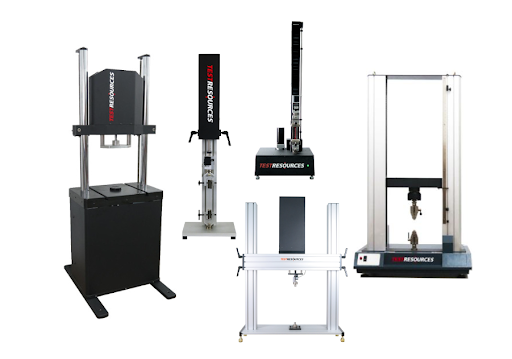
Choose from 38 different models and two different technologies with 100's of configurations which allows you to optimize your testing capabilities and pick exactly what you need.
Foam Test Machine
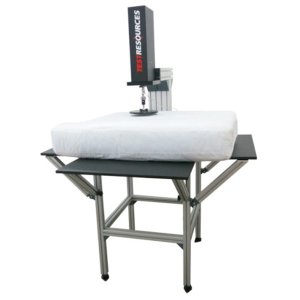
This specialized foam tester product line was designed to deliver low cost and high performance as needed by the application. Ideal for component testing and testing flexible foam materials from automotive cushioning materials to pillows and mattresses!
Newton Test Controller
From simplified test setups to an intuitive controller software interface and pre-configured methods for industry standards - this innovative technology ensures that your test application are conducted seamlessly and with precision.
Accurate & Repeatable Test Results
- Simple test setup, operation, and reporting
- Flexible and scalable software packages - Get what you need now with room to grow!
- Prebuilt test methods for many of the most common application-specific testing standards
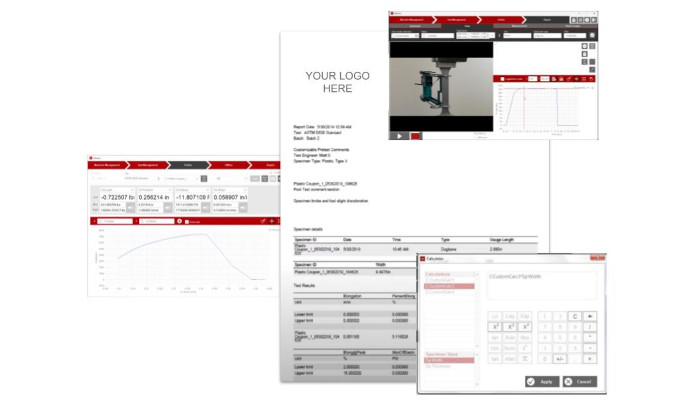
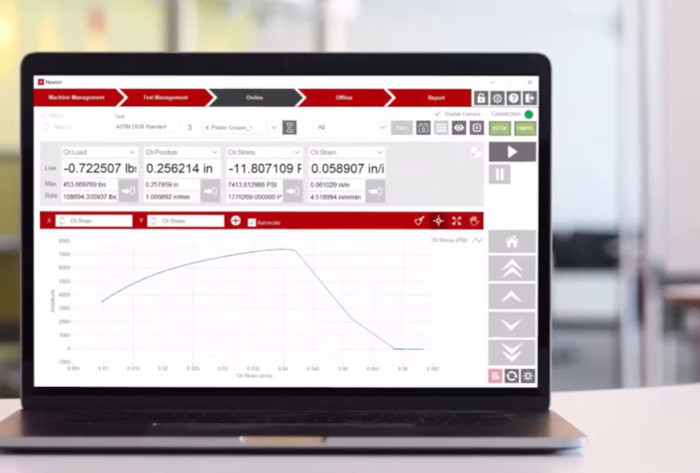
High-performance and easy-to-use controller with logical workflow design
With an intuitive interface, Newton makes it easy for users to navigate through various options and settings, ultimately enhancing the overall user experience. By streamlining complex procedures into user-friendly steps, this software serves both experienced test engineers and beginners alike to conduct tests with confidence and accuracy.
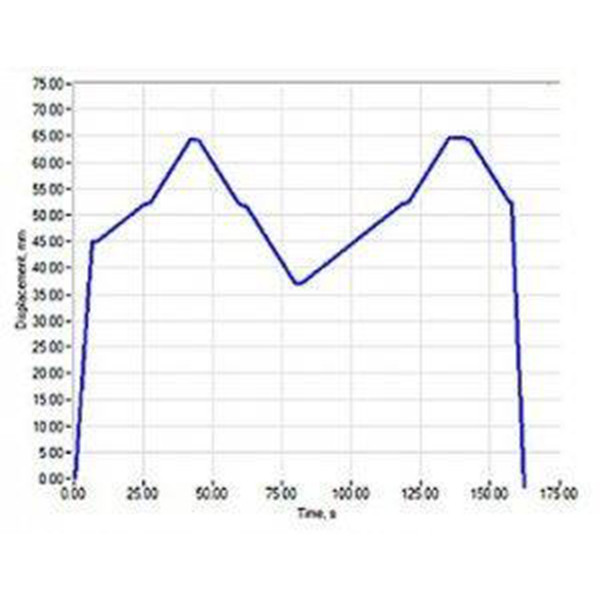
Test Sequence Using Newton Foam Test Software:
-
Navigate to the Test Start position. Begin by positioning the foam test machine at the designated starting point to ensure accuracy in measurements.
-
Proceed at the Contact Rate until the Contact Force is achieved. Carefully move the testing apparatus at a predetermined rate to apply the initial contact force, ensuring that the material is properly engaged.
-
Advance at the Preflex Speed to reach the Preflex percentage of thickness. Progress the test at a controlled speed to compress the foam to a specific percentage of its original thickness, known as the preflex percentage. This step is crucial for assessing the material's initial response to compressive loads.
-
Maintain position for the Preflex Dwell duration. Hold the foam in its compressed state for a set period, allowing for any immediate deformation to settle and ensuring consistent results.
-
Return to the initial position where the Contact Force was initially established. Carefully release the compressive load, allowing the foam to return to its original dimensions, and prepare for subsequent cycles.
-
Repeat the above steps for the designated number of Preflex Cycles. Conduct multiple cycles to ensure that the foam's performance is consistent and reliable under repeated loading conditions.
-
Elevate above the foam and pause for the Settling Time. Lift the testing apparatus away from the foam to allow it to recover and stabilize before the next phase of testing.
-
Move at the Contact Rate to reassess the Contact Force and measure thickness. Reapply the contact force to verify the foam's thickness and ensure accurate deflection measurements.
-
Shift at the Test Speed to achieve the Deflection 1 percentage of thickness. Compress the foam to a further specified percentage of its thickness, known as Deflection 1, to evaluate its behavior under more significant compressive forces.
-
Hold position for the Deflection Dwell period. Maintain the foam in its compressed state for a specified duration, allowing for precise measurement of force and deflection.
-
Record the force measurement at the conclusion of the Deflection Dwell. Capture the data on the force exerted by the foam at the end of the dwell period, providing insights into its compressive properties.
-
Return to the original position where the Contact Force was first reached. Release the pressure, allowing the foam to return to its initial state, and prepare for any additional testing sequences.
-
Transition at the Pre/Post Test Speed to the End Test position. Move the apparatus to the final position, completing the test sequence and ensuring all data is accurately recorded for analysis.
