
Compression Testing of Hydraulic Cement Mortars
Compressive strength testing of hydraulic cement, mortars, and similar structural compounds can be accurately determined using the guidelines specified within ASTM C109.
This fundamental test method is heavily referenced by a wide variety of secondary specifications and manufacturing test criteria. However, caution must always be exercised when attempting to extrapolate these specific raw mortar test results to predict the overall structural strength of larger poured concrete matrices.
Applicable Testing Standards
Recommended Test Machines
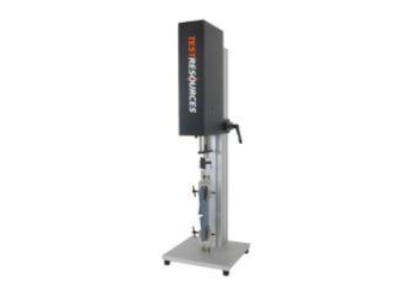
100 Series Universal Test Machines
Force capacities up to 10 kN (2,250 lbf). These precision, low-force tabletop systems feature a modular selection of five frame variants with an adjustable testing envelope. An exceptionally affordable and reliable configuration optimized for high-stiffness compression, tension, bend, and peel profiles.
Recommended Testing Accessories
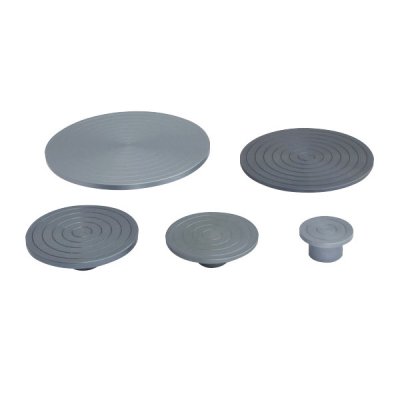
G23 Compression Platens
Standard force capacities up to 300 kN (67,500 lbf), with higher-load configurations engineered upon request. Platen diameters range from 56 mm to 346 mm (2.2 in to 13.6 in). Available in steel, stainless steel, aluminum, or Delrin construction featuring a precision-machined face for a flat specimen interface.
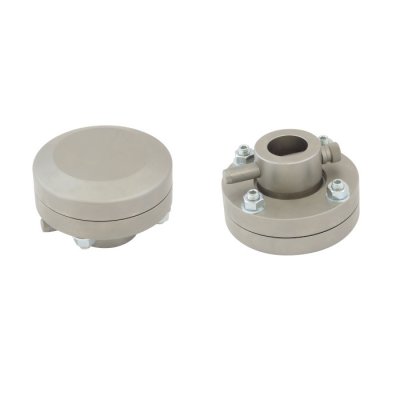
G223 Spherical Seat Compression Platens
Standard structural load thresholds up to 300 kN (67,500 lbf). Diameters are available from 56 mm to 196 mm (2.2 in to 7.7 in). Features an articulating spherical seat that seamlessly aligns itself to uneven specimen geometry to prevent localized edge loading. Offered in steel or aluminum configurations.
