
Fatigue Testing the Tibial Tray Component
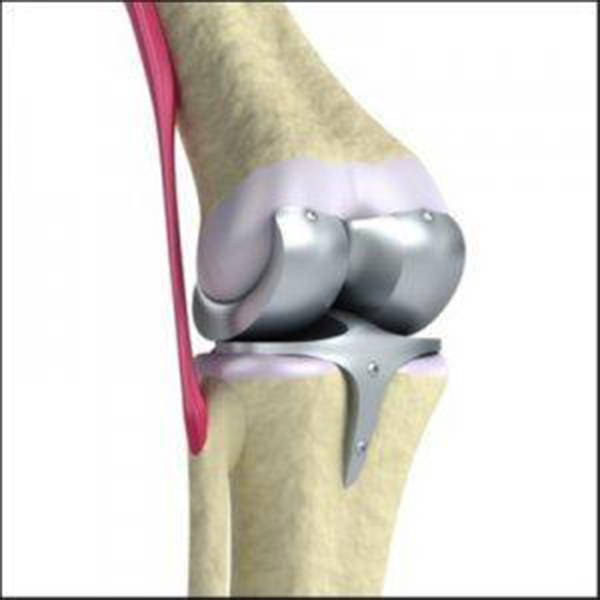
For a total knee prosthesis, FDA recommends you provide a report of fatigue testing of the porous-coated metal tibial tray according to ASTM F1800. FDA recommends testing five samples at various loads to develop an applied force/number of cycles (AF/N) curve with at least one sample surviving 10 million cycles. For a unicompartmental knee prosthesis, no standardized test method currently exists for fatigue testing of the tibial baseplate component. FDA recommends that you provide adequate information (e.g., engineering analysis, comparison of materials/geometry to predicate devices, mechanical testing) to demonstrate that the new device is capable of withstanding the expected physiological loads to which it will be subjected.
Specialized Test Machines
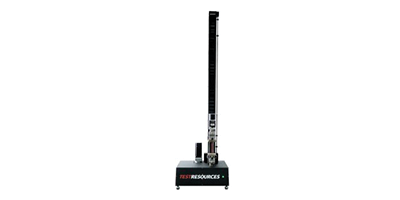
Static Universal
Entry-level system for strength and material characterization.
Long travel single column frame ideal for highly elastic materials.
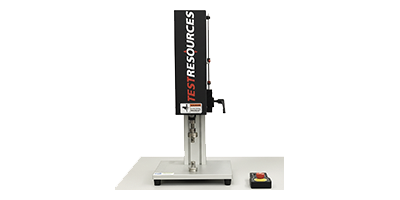
Static and Dynamic
Fast dynamic actuator for static, fatigue, and dynamic tests.
Produces higher loads (up to 2200 N) for low-force applications.
Dual column dynamic frame for environmental baths and chambers.
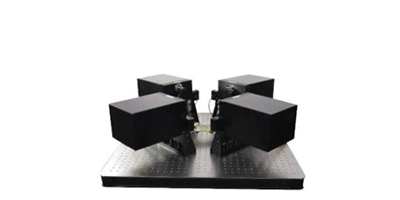
Multichannel
Axial-torsional static test machine (e.g., Luer testers).
Planar biaxial system for complex in-plane loading simulations.
Three-channel XYZ tests for complex material analysis.
