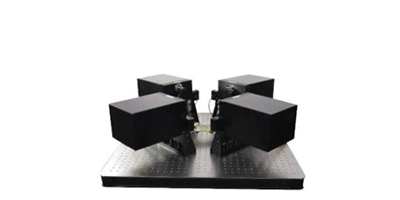
Spinal Implant & Devices Axial Torsional Test Equipment
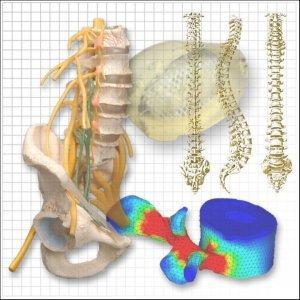
The spine is a complex joint, and extensive research on biomechanics and flexibility remains critical to device development.
Mechanical static and dynamic tests include multi-axial and complex simulation of spinal segments under different conditions. Mechanical tests of spinal devices and implants such as rods, pedicle screws, hooks, plates, cages, constructs, intervertebral fusion devices, nucleus replacements, and intervertebral disc prostheses normally follow ASTM or ISO standards, including axial compression, torsion, flexion-extension, lateral bending, lateral shear, and anterior-posterior shear.
Both static and fatigue tests can be performed on electrodynamic axial and axial torsional test machines. Combined biaxial tests apply static and dynamic forces while acquiring data across a variety of fixation mechanisms, constructs, and functional spine units (such as lumbar or cervical sections).
Because fatigue failure is clinically more common than catastrophic failure, running load-controlled sinusoidal waveforms in excess of 10 million cycles is standard procedure to guarantee performance benchmarks.
Applicable Testing Standards
Recommended Test Machine
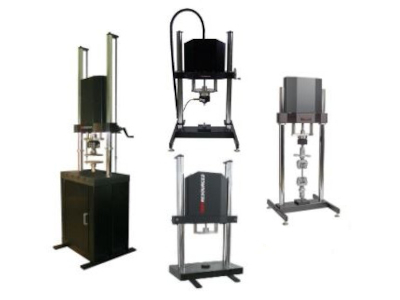
800 Series Fatigue Test Machines
Static and fatigue forces up to 10 kN (2,250 lbf) | Frequency ratings up to 15 Hz. Features an oil-free, all-electric dynamic actuator for clean medical test conditions, offering lower upfront and operating costs than equivalent hydraulic systems.
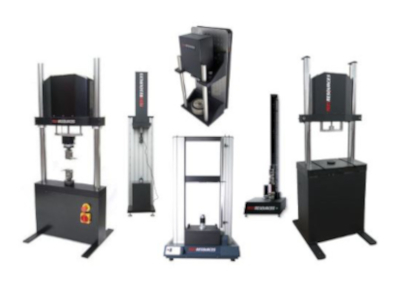
Axial Torsion Test Machines
Force ratings up to 50 kN (11,250 lbf) and torque capacities to 180 Nm (1,600 lbf·in). Applies axial and torsional loads simultaneously to map multi-axis spinal constructs. All-electric, clean, oil-free operation.
Specialized Test Machines
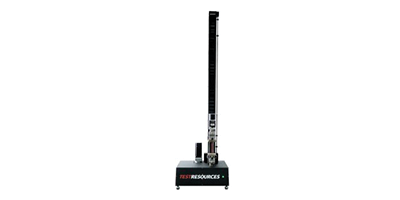
Static Universal
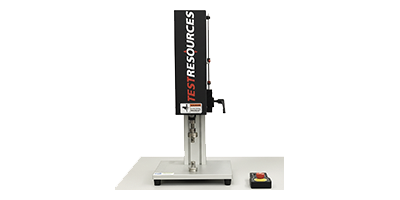
Static and Dynamic