
ANSI Z87.1 Testing Standard for Safety Eyewear

ANSI Z87.1 is a critical safety standard designed to ensure that eye and face protection devices can withstand various workplace hazards. This article delves into the specifics of ANSI Z87.1, highlighting its significance and guiding you in selecting the right protective gear for your needs.
The ANSI Z87.1 test procedure outlines the criteria for safety eyewear to safeguard against impact injuries. This comprehensive standard covers all configurations of protective gear, including safety glasses, goggles, face shields, welding goggles, and masks. ANSI Z87.1 was established to shield users from hazards like impact, optical radiation, liquid splashes, dust, and fine particles.
Key Takeaways
-
ANSI Z87.1 sets stringent standards for eye protection, significantly reducing the incidence of workplace eye injuries through rigorous testing and clear guidelines.
-
The 2020 revision of ANSI/ISEA Z87.1 includes updates that align with international safety benchmarks and promote advanced protective measures in the workplace.
-
Proper marking and categorization of protective eyewear under ANSI Z87.1 are essential for ensuring users select the appropriate equipment for specific hazards, enhancing safety and compliance.
Understanding ANSI Z87.1 Standards
The ANSI Z87.1 standard is a cornerstone of workplace safety, particularly in environments where eye and face injuries are prevalent. Established by the American National Standards Institute, this standard focuses on rigorous testing for protective equipment to ensure it can withstand various hazards. The primary purpose of ANSI Z87.1 is to set clear criteria for the testing, marking, and maintenance of eye protection devices, ensuring they provide adequate protection in high-risk environments.
Industrial workers must grasp these standards to make informed choices about their protective equipment, significantly reducing the risk of eye injuries. In fact, studies have shown that approximately 90% of workplace eye injuries could have been prevented with proper eye protection as prescribed by ANSI Z87.1.
The ANSI Z87.1 standard is not just about meeting regulatory requirements; it’s about fostering a culture of safety among workers. ANSI Z87.1 enhances workers’ ability to protect themselves from various hazards with its comprehensive requirements for impact resistance, optical clarity, and coverage.
ANSI Z87.1 is crucial in high-risk industrial settings, ensuring equipment meets rigorous safety requirements, thus offering peace of mind to employers and employees alike. By adhering to these standards, workplaces can significantly reduce the incidence of eye injuries and enhance overall safety.
Key Updates in ANSI/ISEA Z87.1-2020
The ANSI/ISEA Z87.1-2020 revision brought several significant updates that align with current safety practices and international standards. One of the major changes in the 2015 update was the reorganization of equipment by the type of hazard, making it easier for users to select the appropriate protection for specific risks. This logical structuring continues to be refined in the 2020 update, providing clearer guidelines for users.
These updates harmonize ANSI Z87.1 standards with international benchmarks, ensuring protective eyewear meets global safety criteria. This improves worker safety in the United States and facilitates international trade and uniform safety practices.
The enhancements in the 2020 revision promote improved safety by incorporating the latest technological advancements and safety research. This ensures that the standards remain relevant and effective in protecting workers from evolving workplace hazards. By staying up-to-date with these revisions, employers can enhance their safety programs and better protect their employees.
ANSI Z87.1 Testing Equipment
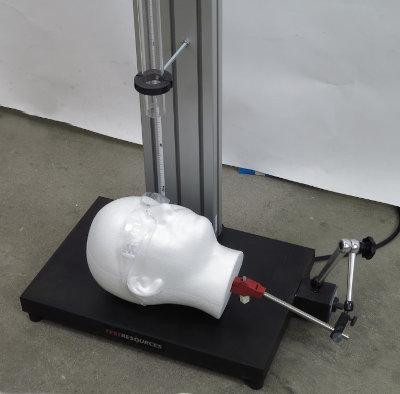
TestResources provides mechanical testing equipment to perform most of the impact tests specified in ANSI Z87.1, such as Test 5.2.1 Drop Ball Impact Resistance, Test 6.2.2 High Mass Impact Test, Test 9.6 Drop Ball Test, and Test 9.11 High Mass Impact Test.
High Mass Impact Test
The High Mass Impact Test utilizes a Pointed Projectile Test Machine, which is designed to drop a specially weighted and pointed projectile. This projectile weighs 500 grams (17.6 oz) and is dropped from an adjustable height of 127 cm (50 inches). The precise guidance of the projectile within a plastic tube ensures accurate testing, making this equipment adaptable for future testing requirements.
Drop Ball Impact Test
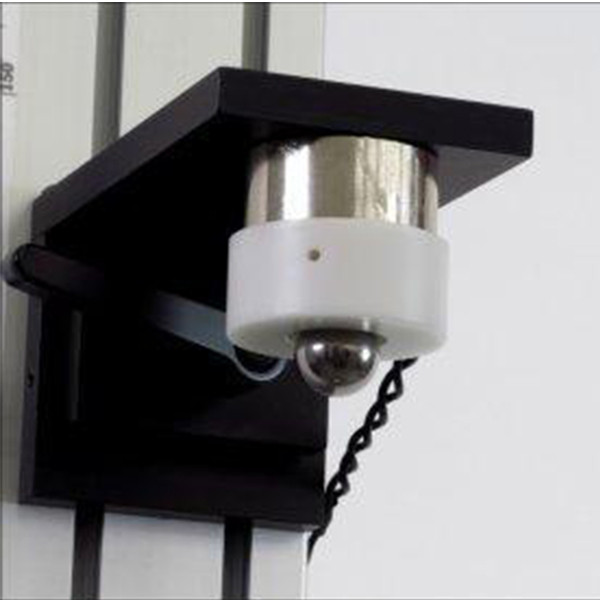
The Drop Ball Impact Test can be conducted using the same Drop Test machine, maintaining the recommended drop height of 127 cm (50 inches). This test involves suspending a 1-inch (25.4 mm) diameter steel ball with a magnetic hold, which is released at the push of a button to assess impact resistance.
Our engineers are equipped to configure test equipment and fixtures for additional ANSI Z87.1 tests, including the High-Velocity Impact and Penetration Test. They can also supply the ANSI/ISEA certified head form specified in Annex B of ANSI Z87.1.
Contact our test engineers for assistance in configuring the optimal test machine and accessories to meet your standards.
Markings and Certifications
Markings on ANSI Z87.1-compliant gear are a critical aspect of ensuring safety. These markings indicate that the protective eyewear has passed stringent tests and meets established safety criteria. For instance, eyewear must be marked with ‘Z87.’ or ‘Z87+’ to indicate compliance, with the latter signifying enhanced impact resistance.
In addition to the basic compliance markings, specific eyewear designed for particular hazards carries additional codes. For example, ‘W’ is used for welding filters, while ‘U’ indicates UV protection. These markings allow users to quickly and easily identify the appropriate eyewear for their specific needs, ensuring they are adequately protected against various hazards.
Manufacturers contribute by providing detailed product information outlining their eyewear’s compliance with ANSI Z87.1 standards. This transparency helps users understand the safety capabilities of their gear, enabling informed decisions and enhanced safety.
Categories of Protection Devices
Protective eyewear is categorized into two main groups under ANSI Z87.1: impact-rated and non-impact-rated devices. This classification helps users select the appropriate protection based on the specific hazards they face in their work environment.
Safety goggles, for instance, are designed to protect against a variety of hazards, including dust, splashes, and droplets. They are particularly effective when equipped with an indirect vent system, which enhances protection against liquid splashes and dust. The ‘D3’ marking indicates protection against droplets, while ‘D4’ and ‘D5’ signify protection from general and fine dust, respectively.
Impact-rated eyewear is essential for environments where there is a risk of high-velocity impacts. This type of eyewear is tested to ensure it can withstand exposure to high energy particulate radiation. Devices marked with ‘Z87+’ have passed rigorous impact testing, offering enhanced protection compared to non-impact-rated devices.
Choosing the right protective eyewear, be it safety glasses for general use or specialized goggles for dust and liquid hazards, is key to preventing injuries. Both employers and workers should understand these categories to select appropriate protection for their specific needs.
Impact Resistance Testing
Impact resistance is a critical component of eye protection, and ANSI Z87.1-compliant eyewear must achieve specific levels of impact resistance to guard against potential injuries. Protective eyewear marked with ‘Z87+’ has undergone rigorous testing to ensure it can withstand both high-velocity and high-mass impacts.
The high mass impact test, for instance, involves simulating real-life scenarios where heavy objects may fall on the eyewear. This test uses a 500-gram weight to evaluate the eyewear’s durability. Additionally, the high-velocity impact test involves shooting a ¼ inch steel ball at various speeds to assess the eyewear’s resistance to fast-moving particles.
Another critical test is the penetration test, which involves dropping a weighted needle from a height of 127 cm (50 inches) to ensure the lenses can withstand sharp objects. Eyewear that passes these tests offers robust protection, significantly reducing the risk of eye injuries in hazardous environments.
Optical Clarity and Coverage Requirements
Optical clarity is essential for workplace safety, as any distortion or haze in the lenses can impair vision and increase the risk of accidents. ANSI Z87.1 mandates that protective eyewear must provide minimal distortion and haze, ensuring clear vision for the wearer.
Maintaining lens quality prevents visual impairments that could jeopardize safety, ensuring clear vision and enhancing productivity. This clarity is particularly important in environments where precise vision is necessary for performing tasks safely.
ANSI Z87.1 also mandates that protective eyewear must provide adequate coverage to shield the face protection and surrounding areas from hazards, including face protection devices. Features like side shields or wrap-around designs enhance coverage, preventing hazards from entering through the sides. This comprehensive protection ensures that workers are safeguarded from risks originating from different angles.
Specific Hazards and Applications
ANSI Z87.1 addresses unique hazards in different work environments to ensure comprehensive protection. The standard encompasses various eyewear ratings based on specific workplace hazards such as impact, heat, chemicals, dust, and radiation.
For instance, in environments where chemical handling and liquid splash exposures are common, eyewear marked with codes beginning with ‘D’ indicates the level of droplet and chemical splash resistance. This is crucial for protecting against hazardous exposures during activities like welding, cutting, and handling chemicals.
Dust protection is another significant aspect, with dust protection eyewear marked ‘D4’ and ‘D5’ indicating protection against general and fine dust protection, respectively. These specific designations help users select the appropriate protection for their specific needs, minimizing the risk of injuries in dusty environments.
Understanding specific workplace hazards and choosing the right ANSI Z87.1-compliant eyewear can significantly reduce occupational injuries. This tailored approach to eye protection ensures that workers stay safe while performing their tasks.
Promoting Safety Culture
Promoting a safety culture in the workplace is essential for ensuring compliance with ANSI Z87.1 standards and reducing the risk of injuries. Regular training on these standards helps workers understand their safety responsibilities and the importance of using compliant protective gear. Consistent education ensures that workers are familiar with the latest safety gear and practices, enhancing their ability to protect themselves.
Fostering a safety culture involves recognizing the importance of compliant protective gear. Awareness of ANSI Z87.1 standards can significantly reduce workplace injuries, creating a safer environment for all.
Visual communication tools, such as signs and labels, can further enhance safety and compliance by informing workers about eye protection requirements and hazards. Together, regular training, heightened awareness, and effective signage contribute to a robust culture of safety.
Promoting a safety culture ensures workers stay safe and comply with ANSI Z87.1 standards in both occupational and educational environments.
Summary
The ANSI Z87.1 standards are essential for ensuring the safety of workers in environments where eye and face injuries are likely. By understanding and adhering to these standards, employers and workers can significantly reduce the risk of injuries and create a safer work environment. The key updates in the 2020 revision, the importance of markings and certifications, and the categories of protection devices are all crucial aspects of these standards.
Impact resistance testing, optical clarity, and coverage requirements ensure that protective eyewear provides comprehensive protection and clear vision. Specific hazards and applications highlight the need for tailored protection in different work environments, while promoting a safety culture ensures compliance and enhances overall workplace safety.
In conclusion, adhering to ANSI Z87.1 standards is not just about meeting regulatory requirements but about prioritizing the safety and well-being of workers. By fostering a culture of safety and utilizing the resources available, employers can ensure that their workers stay safe and protected from potential eye injuries.
Get a Complete Test System for Your Test Application
Completing your material test system is easy. Simply start by choosing a test machine, choose your accessories, and select your controller software. We are your one-stop shop for all your application testing needs.
Request a QuoteFrequently Asked Questions
The purpose of the ANSI Z87.1 standard is to set criteria for the testing, marking, and maintenance of eye protection devices, ensuring safety in environments prone to eye and face injuries. This standard is essential for promoting workplace safety.
The markings 'Z87.' and 'Z87+' on protective eyewear indicate compliance with the ANSI Z87.1 standard, with 'Z87.' representing basic requirements and 'Z87+' denoting enhanced impact resistance. It is essential to choose eyewear that meets these standards for optimal protection.
Workers should be trained on ANSI Z87.1 standards regularly, with annual refreshers recommended to ensure they remain informed about current safety practices and equipment. This consistent training is vital for maintaining a high level of safety awareness.
The key updates in the ANSI/ISEA Z87.1-2020 revision emphasize enhanced alignment with contemporary safety practices and international standards, thereby promoting improved safety in eye and face protection.
Employers can ensure compliance with ANSI Z87.1 standards by creating clear signage that communicates eye protection requirements and hazards, thereby enhancing workplace safety. Utilizing resources from companies like DuraLabel can facilitate this process effectively.
