ASTM C39 Compressive Strength of Concrete Cylinders
ASTM C39 is the recognized standard test method for determining the compressive strength of cylindrical concrete specimens, such as molded cylinders and drilled cores. This method is vital for ensuring the quality and safety of concrete used in construction projects. The comprehensive guide provided here delves into the significance of the test, the meticulous preparation of specimens, and the interpretation of results. By following ASTM C39, construction professionals can assess the structural integrity of concrete materials, ensuring they meet the necessary standards for performance and safety.
This ensures compliance with construction specifications, helping to prevent costly and dangerous errors while providing a reliable measure of concrete's ability to withstand stress. Through this method, engineers and technicians can utilize concrete cylinders as powerful tools in assessing the material's suitability for construction applications.
Understanding ASTM C39 and Its Importance
ASTM C39 is the gold standard for testing the compressive strength of concrete cylinders. It is central to quality assurance and quality control processes in concrete construction. The results obtained from these tests are not just numbers; they are crucial indicators of the concrete’s composition, structural performance, and overall quality. Assessing the safety and durability of a structure without knowing its concrete strength is simply unthinkable.
The application of a compressive load to the concrete cylinder is a fundamental aspect of this test method, ensuring that the specimen's strength is accurately assessed.
The significance of ASTM C39 'extends beyond individual projects to industry-wide standards. These results ensure compliance with construction specifications, helping to avoid costly and dangerous errors. They provide a reliable measure of concrete’s ability to perform under stress, crucial for quality control and product acceptance. The primary sample type for these tests, the concrete cylinder, is a simple yet powerful tool in the hands of engineers and technicians.
Preparing Concrete Cylinder Specimens
The journey to accurate compressive strength testing begins with the preparation of molded cylinders and concrete cylinder specimens. Proper preparation methods ensure that concrete cylinders are easy and inexpensive to produce. Essential equipment includes sampling and consolidation tools, and molds for the cylinders, which should be filled and rodded in layers for proper consolidation. A round mouth scoop for filling and a rubber mallet for tapping help create uniform layers, critical for accurate results.
Once the concrete is poured, curing becomes the next critical step. Initial curing should maintain temperatures between 60 to 80 degrees Fahrenheit, with specific ranges for different strength levels. This can be achieved using curing boxes or tanks with heating and cooling elements.
The concrete samples should be retrieved for final laboratory curing concrete test specimens within 48 hours after initial curing to prevent strength loss due to uncontrolled temperature and humidity. This process ensures that the specimens reflect the true strength of the concrete used in construction.
Calculating Compressive Strength
The compressive strength of concrete is calculated through a straightforward yet precise process. The compressive strength is derived from the maximum load at failure. This result is then divided by the average cross-sectional area of the specimen. This calculation provides a stress value crucial for evaluating the concrete’s load-bearing capacity. The test involves applying a compressive load to the concrete cylinder until failure occurs, ensuring that the specimen’s strength is accurately assessed.
The rate of load application can significantly affect the results. Higher loading rates can increase the compressive strength, making it crucial to maintain a controlled and consistent loading rate during testing. Understanding this relationship ensures accurate and reliable results, confirming that the concrete meets safety and durability standards.
Equipment and Procedures for ASTM C39 Testing
Precise results in ASTM C39 testing depend on the right equipment and procedures. The final step in testing concrete cylinders is compression testing, which measures their compressive strength. Our specialty compression machines, are designed to apply controlled loads until the concrete cylinders fail, ensuring accurate measurement of their strength.
Maintaining a consistent loading rate during testing is essential to ensure accurate and reliable results.
ASTM C39 prescribes specific guidelines for alignment, rate of loading, calculations, and reporting to ensure accurate testing. Misalignment of the cylinder during testing can result in inaccurate load application, affecting the test results. Following these guidelines meticulously is essential to obtain reliable data that reflects the true strength of the concrete.
ASTM C39 Testing Machines
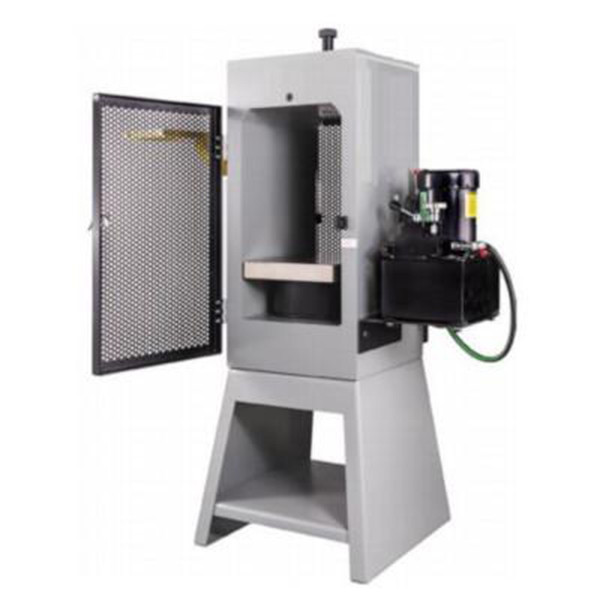
Concrete compression machines are at the heart of ASTM C39 testing. These machines apply a controlled load to the concrete cylinder until failure occurs, providing a measure of its compressive strength. Our test machines offer several advantages, including real-time feedback on loading rates and consistent load application. These features enhance precision and compliance with ASTM standards, making them indispensable in construction materials testing.
Compression Test Machines
Compression test machines are usually universal testing machines that are specially configured to evaluate static compressive strength characteristics of materials, products, and components. Our wide variety of compression test machines are designed to measure characteristics such as ultimate compression strength, yield strength, deflection, and modulus.
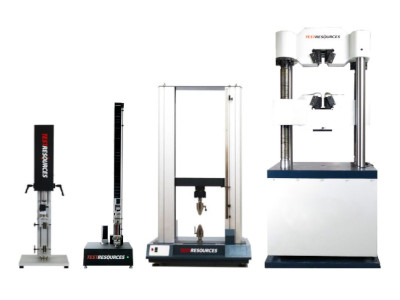
Choose from over 40 models with force capacities ranging from very low forces up to 3 MN (660 kip) and two different technologies, offering hundreds of configuration options. This allows you to optimize your testing capabilities and select exactly what you need.
Newton Test Controller
From simplified test setups to an intuitive controller software interface and pre-configured methods for industry standards - this innovative technology ensures that your test application are conducted seamlessly and with precision.
Accurate & Repeatable Test Results
- Simple test setup, operation, and reporting
- Flexible and scalable software packages - Get what you need now with room to grow!
- Prebuilt test methods for many of the most common application-specific testing standards
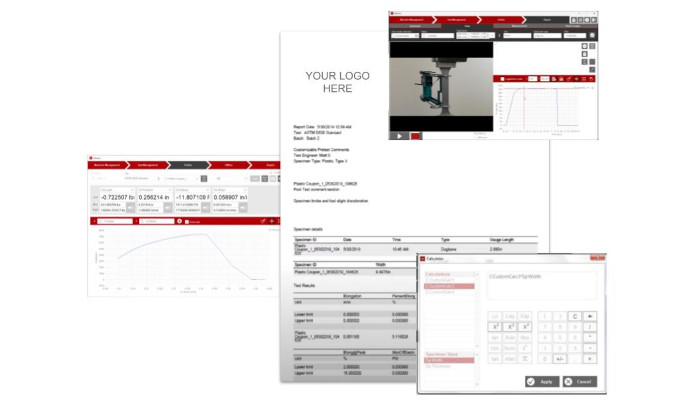
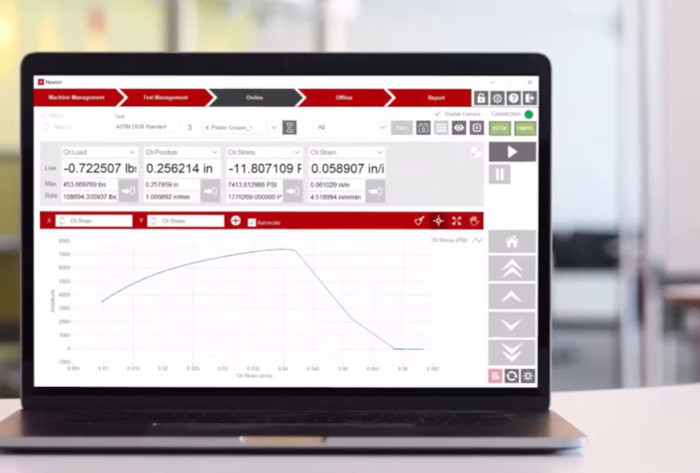
High-performance and easy-to-use controller with logical workflow design
With an intuitive interface, Newton makes it easy for users to navigate through various options and settings, ultimately enhancing the overall user experience. By streamlining complex procedures into user-friendly steps, this software serves both experienced test engineers and beginners alike to conduct tests with confidence and accuracy.
ASTM C39 Compression Fixture
Compression platens for ASTM C39 need to be made to exacting tolerances. This includes the diameter of the sphere on the upper platens needs to be at least 75% of the diameter of the sample as well as the bearing face being at least 3% larger than the sample. And it must allow for no less than 4 degrees of articulation in any direction.
Contact us to request a quote.
Initial and Final Curing of Concrete Cylinders
Curing is a critical phase in the preparation of concrete cylinders for compressive strength testing. The purpose of curing is to maintain proper moisture levels and temperature, which are crucial for the concrete to develop its expected strength. Concrete cylinders should remain undisturbed in a controlled environment for up to 48 hours after molding to achieve optimal strength development.
This initial curing phase is followed by final curing, where the cylinders are kept moist from the curing room or tank until they are tested for compressive strength. Water storage tanks, as specified in ASTM standards, are often used to ensure proper moisture conditions during this final curing process. Initial and final curing methods play a significant role in the strength development of concrete. Proper curing ensures that the concrete specimens reflect the true strength of the concrete used in construction, providing reliable data for quality assurance and compliance with construction specifications.
Initial Curing Methods
Initial curing methods are designed to maintain the concrete specimens at optimal temperature and moisture levels. Curing boxes or tanks with temperature controls are essential to keep the specimens at temperatures between 60 and 80 degrees Fahrenheit. Excessively high temperatures can accelerate the hydration process, potentially leading to compromised concrete strength. Therefore, it is crucial to monitor and control the temperature during the initial curing phase.
To prevent moisture loss, fresh concrete specimens should be kept in stable environments immediately after molding. Ideally, the specimens should be molded at their initial curing location to avoid unnecessary handling and disturbance. Containers used for initial curing should provide insulation to regulate temperature and ensure that the concrete develops its expected strength.
Reporting and Interpreting Test Results
Accurate reporting and interpretation of test results ensure compliance with concrete specifications and quality control measures. The results from ASTM C39 testing are used for various purposes, including quality control of concrete proportioning, mixing, and placing operations, determining compliance with specifications, and evaluating the effectiveness of admixtures. The results must be reported accurately to reflect the true strength of the concrete.
Interpreting test results involves analyzing the compressive strength values, which are calculated by dividing the load at failure by the specimen’s cross-sectional area. ASTM C39 stipulates that the strength calculated must be reported alongside details like the average measured diameter and type of fracture.
Accurate interpretation of these results is crucial for making informed decisions about the concrete’s quality and performance.
Accurate Reporting Procedures
Accurate reporting procedures ensure the integrity and traceability of test results. Each cylinder specimen must be marked with unique identifiers, and detailed sample and set information should be recorded. This helps in tracking the specimens throughout the testing process and ensures that the results are associated with the correct samples.
Several key elements should be included in the test report. These elements are the diameter, cross-sectional area, maximum load, compressive strength, and type of fracture. Accurate specimen identification and comprehensive reporting of concrete test specimens are crucial for maintaining the quality control and compliance standards in concrete construction.
Following these procedures ensures that the test method standard test method results are reliable and valid, using appropriate test methods.
Analyzing Test Results
Analyzing test results is crucial in the ASTM C39 testing process. Visible defects in the cylinder or cap can significantly lower the test result, indicating potential issues in the concrete’s performance. Identifying and understanding these defects can provide valuable insights into the conditions that affected the test results and help in assessing material performance.
The test results are used for various purposes, including quality control, acceptance testing, and evaluating the effectiveness of admixtures. Carefully analyzing the results and comparing them with the specified standards allows engineers to make informed decisions about the concrete’s quality and suitability for construction.
Accurate analysis confirms that the concrete structures meet required safety and performance standards.
Common Issues and Troubleshooting in ASTM C39 Testing
Addressing common issues and troubleshooting in ASTM C39 testing ensures accurate and reliable results. Excessively high curing temperatures can accelerate the hydration process, potentially compromising the concrete’s strength. Identifying the type of failure in concrete cylinders can provide insights into the conditions that affected the test results. Analyzing the fracture type helps assess material performance and identify potential issues.
Errors in concrete strength testing can lead to artificially low results, which do not accurately reflect the true strength of the concrete. Stopping the test before failure or reducing cement content without reliable data can increase costs and compromise the quality of the concrete.
Understanding these common issues and implementing effective troubleshooting methods ensures accurate and reliable test results.
Temperature Control Problems
Temperature control problems frequently occur during the initial curing of concrete cylinders. Proper temperature control is essential to ensure accurate test results, as excessively high curing temperatures can negatively affect concrete quality. During the summer months, curing temperatures can become excessively high, accelerating the hydration process and potentially compromising the concrete’s strength.
Tracking and reporting the temperature range during initial curing is crucial for maintaining test result integrity. By implementing effective temperature control measures and monitoring the curing conditions, engineers can ensure that the concrete specimens develop their expected strength and provide reliable data for quality assurance.
Load Application Errors
Load application errors can significantly influence the accuracy of compressive strength testing results. Asymmetrical loading can lead to non-symmetrical fracture patterns in specimens, resulting in artificially low test results. To avoid these errors, it is crucial to ensure proper alignment of the specimen within the testing machine and utilize reliable capping methods.
Accurate load application is crucial for reliable results in ASTM C39 testing. By ensuring that the load is applied symmetrically and at a controlled rate, engineers can achieve valid compressive strength values that reflect the true performance of the concrete. Proper alignment and load application techniques maintain the integrity of test results.
Summary
Mastering ASTM C39 testing is essential for ensuring the quality and durability of concrete structures. From understanding the importance of compressive strength testing to the meticulous preparation, curing, and handling of concrete specimens, each step plays a crucial role in obtaining accurate and reliable results. Using proper compression testing machines and proper capping techniques further enhances precision and compliance with ASTM standards.
Accurate reporting and analysis of test results are vital for quality control and compliance in concrete construction. By addressing common issues and implementing effective troubleshooting methods, engineers can ensure that the concrete used in construction meets the required safety and performance standards. The journey to mastering ASTM C39 testing is a continuous process of learning and improvement, but the rewards in terms of safety and reliability are well worth the effort.
Frequently Asked Questions
ASTM C39 tests for the compressive strength of cylindrical concrete specimens, including molded cylinders and drilled cores. This standard is essential for assessing the structural integrity of concrete materials.
The compressive strength of a specimen in ASTM C39 is calculated by dividing the maximum load attained during the test by the specimen's cross-sectional area. This provides a clear measure of the material's resistance to compressive forces.
The applications of the ASTM C39 test results include quality control of concrete operations, ensuring compliance with specifications, and evaluating admixture effectiveness. Utilizing these results is essential for maintaining high concrete standards.