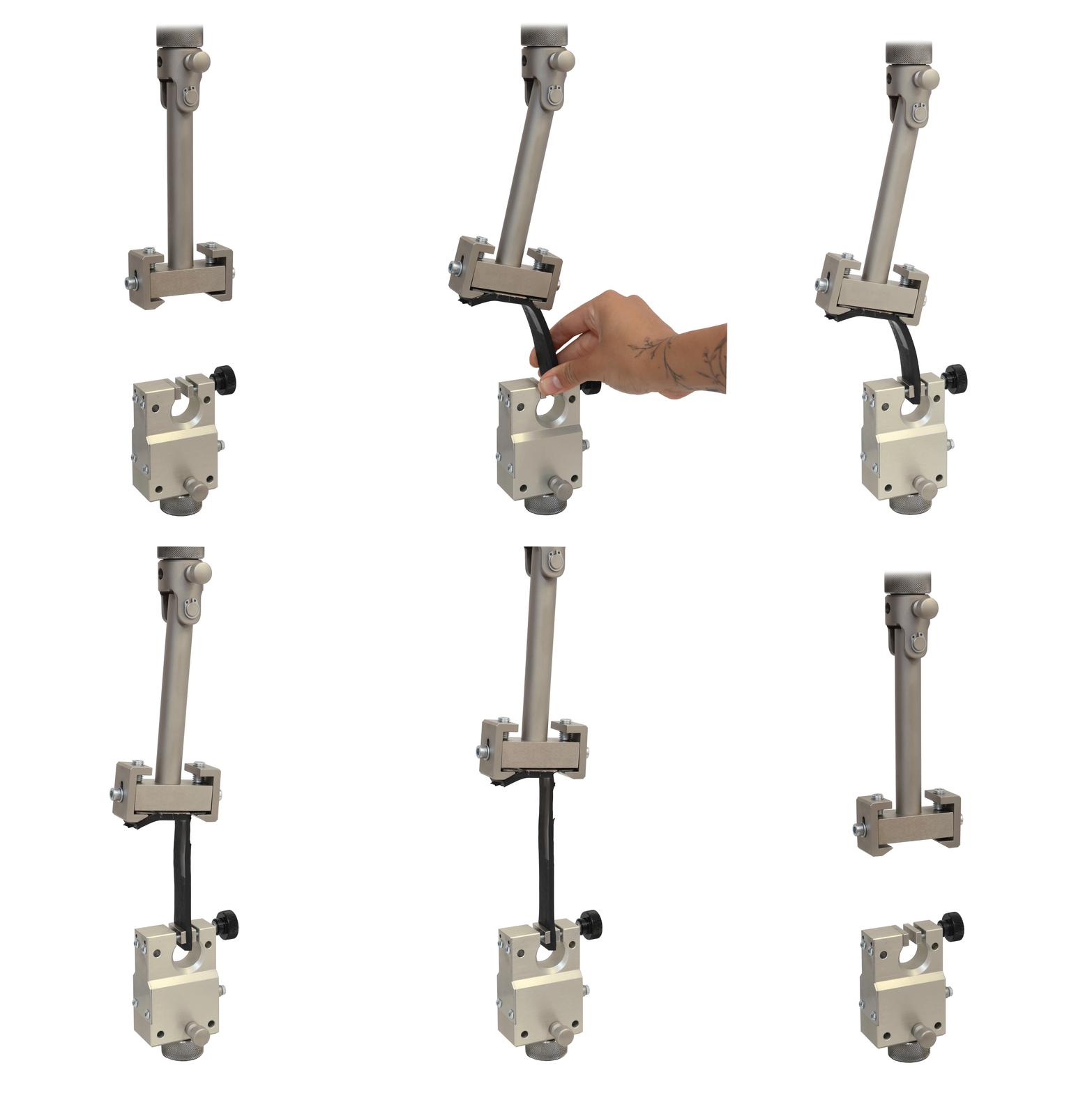
ASTM D1781 Climbing Drum Peel Test Equipment for Adhesives
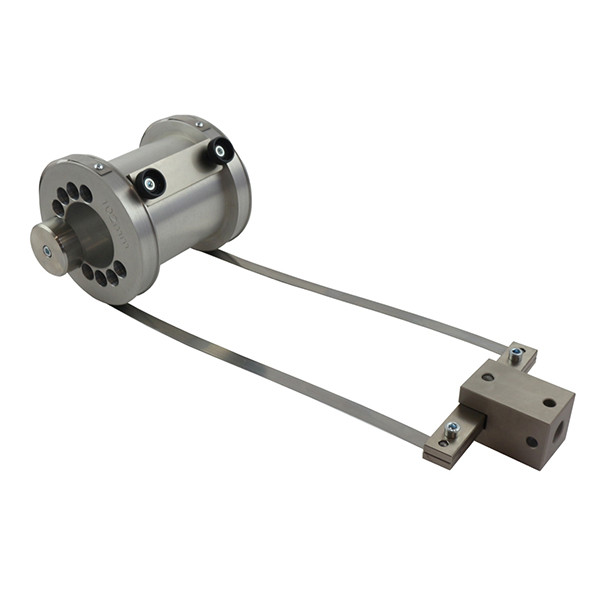
The drum peel test is a standardized method used to measure the peel resistance of adhesive bonds. It evaluates how well adhesives hold up when peeling forces are applied, providing crucial data for quality assurance and product performance. This test is vital in industries like aerospace, automotive, and packaging, where reliable adhesive bonds are critical. In this article, we’ll delve into the specifics of the drum peel test, including its procedures, required equipment, and interpretation of results.
Key Takeaways
-
ASTM D1781 evaluates the peel resistance of adhesive bonds between flexible facing and rigid substrates, ensuring product quality in various applications.
-
The climbing drum peel test simulates real-world conditions, applying a consistent peeling force to accurately measure the durability of adhesive bonds.
-
Strict adherence to testing conditions, specimen preparation, and appropriate equipment is essential for reliable and reproducible results, crucial for quality assurance.
Understanding the Drum Peel Test
The drum peel test evaluates the bond strength of adhesive materials. It measures the force needed to peel two materials apart at a constant speed, indicating the adhesive’s performance. Imagine peeling a sticker off a surface; the resistance you feel is similar to what this test measures, but with precise and consistent force applied.
It is particularly effective for characterizing the adhesion of flexible materials to rigid substrates. For example, in applications where tapes or films bond to metal or plastic surfaces, the drum peel test reveals the durability and strength of these bonds. It ensures the materials hold up under stress, preventing potential failures in real-world applications.
The climbing drum peel test uses a rotating drum to apply a consistent peeling force. This method simulates real-life conditions by maintaining a steady peeling action, aiding in assessing the peel resistance of adhesive bonds. The climbing drum peel fixture ensures that the force is applied uniformly, making the test results reliable and reproducible.
What is ASTM D1781?
ASTM D1781 evaluates the peel resistance of adhesive bonds between relatively flexible facing and rigid adherends and between sandwich structure facings and cores. This standard ensures the quality and reliability of adhesive bonds in various applications, from aerospace components to consumer products. But what exactly does this test involve?
ASTM D1781 measures the peel resistance of adhesives, a key indicator of their performance. For example, higher peel resistance in brittle adhesive might signal an incomplete cure. Manufacturers use this information to ensure their adhesives meet quality standards and perform as expected.
Performing this test requires specific equipment: a climbing drum peel fixture and a universal testing machine. These tools apply the necessary pulling force, ensuring controlled test conditions. The fixture holds the specimen while the universal testing machine applies a consistent load, enabling accurate peel resistance measurement using a test method for climbing.
Procedure Overview
The ASTM D1781 procedure involves critical steps to ensure accurate and reliable results. Using at least six specimens accounts for variability and provides a robust dataset. Specimens must be prepared with specific dimensions depending on the adhesive assembly type. For laminated adhesive assemblies, typical dimensions are 25 mm wide by at least 254 mm long.
For sandwich constructions, involving layers of materials with a core, adhesive specimens should measure 76 mm in width and 305 mm in length. The testing environment is crucial for result accuracy. Temperature should be maintained at 23 +/- 1 degrees Celsius, and humidity at 50 +/- 2 percent. These conditions ensure consistent and comparable test results.
The climbing drum peel fixture applies a tensile load to the specimen at a constant rate. The maximum load should range from 15% to 85% of the testing machine’s full-scale capacity to avoid overloading or underloading. The drum setup should not exceed 3.6 kg (8 lb) to maintain test integrity.
Adhering to these procedures ensures accurate test results reflective of the adhesive’s performance according to the standard test method.
Essential Equipment
Conducting the ASTM D1781 test requires specific equipment for accurate and reliable results. The primary equipment is the climbing drum peel fixture, designed to apply consistent peeling forces at the adhesive interface. This fixture maintains test integrity by ensuring uniform force application across the specimen.
A universal testing machine is also essential. Universal machines offer greater adaptability compared to dedicated peel testing equipment, which may have limitations in force capacity or specimen dimensions. They accommodate a wider range of forces and specimen sizes, making them suitable for various testing scenarios. This flexibility is important when dealing with unconventional shapes or sizes of test specimens.
See our Universal Test Machines
Special fixturing may be required for non-standard shapes to ensure accurate peel strength measurements. These fixtures hold the specimen securely and apply the peeling force consistently. Using the appropriate equipment and fixtures provides reliable data on the adhesive’s performance, crucial for quality assurance and product development.
Experimental Parameters and Conditions
The ASTM D1781 standard is used for comparative measurements of adhesion, particularly in control processes. To achieve accurate results, adhering to specific experimental parameters and conditions is essential. A critical aspect is the consistent speed at which specimens are pulled, typically around 25.4 mm/min. This constant rate helps assess the peel resistance of adhesive bonds under uniform conditions.
Proper specimen preparation is crucial for accurate test results. Bonding method and adhesive curing must be precisely controlled to ensure consistency. The specimen is securely clamped in the apparatus, and tension is applied at a constant speed to measure peel resistance. Variations in parameters, such as peel angle and rate, can significantly impact test results.
Controlled testing conditions minimize variability in results. The testing environment should maintain consistent temperature and humidity to ensure adhesive properties are unaffected by external factors.
Adhering to these parameters and conditions provides reliable and reproducible data on adhesive performance, crucial for quality assurance and product development.
Types of Materials Tested
The drum peel test is versatile and applies to a wide range of materials, including both flexible and rigid substrates. For example, it evaluates the peel strength of tapes and medical packaging, which require strong and reliable adhesive bonds for product integrity. It is also applicable to rigid substrates such as metal or rigid plastics, making it valuable in various industries.
A critical application of ASTM D1781 is testing adhesive strength between flexible and rigid materials, and the adhesion of sandwich construction facings and cores. This versatility is useful for assessing laminated assemblies, where multiple materials bond together to form a composite structure. Evaluating the durability of these bonds under continuous stress helps manufacturers ensure product quality and reliability.
In packaging, drum peel testing assesses the effectiveness of adhesive seals in preventing product contamination. Medical device manufacturers use this test to verify the reliability of adhesive bonds in products requiring strict hygiene standards. Testing various materials and adhesive bonds with ASTM D1781 ensures products meet necessary quality and safety standards.
Applications in Industry
Drum peel testing ensures the reliability and performance of adhesive bonds in several industries. In aerospace, the test evaluates the adhesive performance of materials in critical components where failure is not an option. The ASTM D1781 standard provides valuable data for quality assurance and product development, helping manufacturers meet stringent aerospace requirements.
The rail industry relies on drum peel testing to evaluate adhesive performance under various environmental conditions. This method ensures adhesive bonds withstand stresses and strains during service, enhancing rail component safety and durability.
In the automotive sector, high-performance adhesive bonds are critical for safety and durability, and drum peel testing ensures these bonds perform as expected.
Drum peel test results provide essential data for quality assurance and product development in adhesive applications. By evaluating peel resistance, manufacturers ensure their products meet quality and safety standards in various industries. This standard assesses the peel resistance of adhesive bonds in structures with varying material properties.
Interpreting Results
Interpreting drum peel test results requires a thorough understanding of the parameters involved. The average peeling load reflects the steady-state condition where the load remains constant while the adhesive bond separates. This value is determined by analyzing the flat portion of the force-extension curve, indicating the continuous load necessary to maintain peeling after initiation.
Successful interpretation also requires considering the mechanical properties of the adherends involved. The degree of adherend separation during the peel test can influence adhesion quality interpretation, as significant separation may indicate bond failure mechanisms rather than adhesive strength alone. Understanding material properties and adhesive bond behavior under test conditions is crucial for accurate interpretation.
Inaccurate results can arise from improper alignment of test samples, highlighting the importance of consistent test conditions. Aligning test samples is critical to ensure accurate measurements, as misalignment can lead to inconsistent results. Carefully controlling test parameters and conditions provides reliable data on adhesive performance, essential for quality assurance and product development.
Common Challenges and Solutions
Drum peel testing, like any other testing method, comes with its own set of challenges. One common issue is failing to meet peel strength specifications, which can result in product failures. Thorough testing and validation of adhesive performance are necessary to ensure that the products meet the required standards. Surface contamination is another significant factor that can affect adhesion quality, emphasizing the need for clean surfaces before testing. Additionally, using a drum peel for adhesives can help in accurately assessing the performance of the adhesive bonds.
Variability in environmental conditions, such as humidity and temperature, can also impact peel test results, requiring controlled testing environments. Selecting the appropriate peel test method for specific material combinations is crucial to obtaining relevant and accurate data. By understanding the material properties and testing standards, testers can avoid misapplication of data and ensure accurate interpretation of results.
Interpreting peel test results requires a comprehensive understanding of material properties and testing standards. Proper sample preparation, controlled testing environments, and selecting the appropriate test method are essential for obtaining accurate and reliable data. By addressing these challenges, testers can ensure the quality and reliability of adhesive bonds in various applications.
Test Equipment for ASTM D1781
Conducting the ASTM D1781 test accurately requires specific test equipment. The primary tool is the climbing drum peel fixture, which is essential for ensuring that only peeling forces act on the interface of the flexible and rigid adherends. This fixture helps maintain the integrity of the test by applying consistent peeling forces across the specimen.
In addition to the climbing drum peel fixture, a test frame is also required to securely mount the samples during testing. The average peeling load is determined during the test by applying a tensile load at a consistent rate of separation. This calculation, along with determining the average peel torque, is crucial for evaluating the adhesive’s performance.
By using the appropriate test equipment and adhering to the ASTM D1781 standard, testers can obtain reliable data on the peel resistance of adhesive bonds. This information is essential for quality assurance and product development in various industries.
Get a Complete Test System for Your Test Application
Completing your material test system is easy. Simply start by choosing a test machine, choose your accessories, and select your controller software. We are your one-stop shop for all your application testing needs.
Request a QuoteSummary
In summary, the ASTM D1781 standard provides a robust framework for evaluating the peel resistance of adhesive bonds. By understanding the drum peel test procedure, essential equipment, and experimental parameters, testers can obtain reliable data on adhesive performance. This information is crucial for quality assurance and product development in various industries.
The climbing drum peel test ensures the reliability and safety of adhesive bonds in critical applications, from aerospace components to medical devices. By addressing the common challenges and solutions, manufacturers can ensure that their products meet the necessary quality and safety standards.
Frequently Asked Questions
The primary purpose of the ASTM D1781 test is to evaluate the peel resistance of adhesive bonds between flexible and rigid adherends, as well as between sandwich structure facings and cores. This ensures the integrity and durability of adhesive applications in various materials.
To conduct the ASTM D1781 test, a climbing drum peel fixture and a universal testing machine are essential. These tools are crucial for accurately assessing the peel strength of bonded materials.
Specimen preparation is essential in the ASTM D1781 test because it influences the bonding method and adhesive curing, which directly affect the accuracy and reliability of the test results. Ensuring meticulous preparation can lead to more valid outcomes in evaluating adhesive performance.
Common challenges in drum peel testing include failing to meet peel strength specifications, surface contamination, and variability in environmental conditions. Addressing these factors is essential to ensure reliable and accurate testing outcomes.
The average peeling load is determined by examining the flat portion of the force-extension curve, indicating the sustained load required to maintain peeling after its initiation.