ASTM D1876 T Peel Resistance Test Equipment for Adhesives
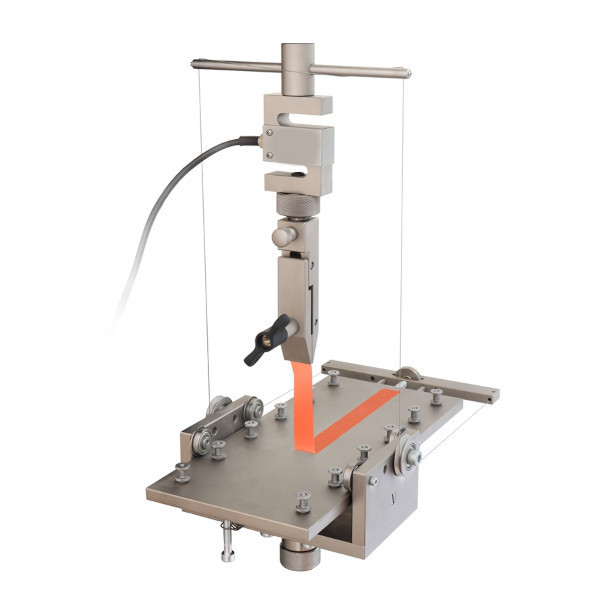
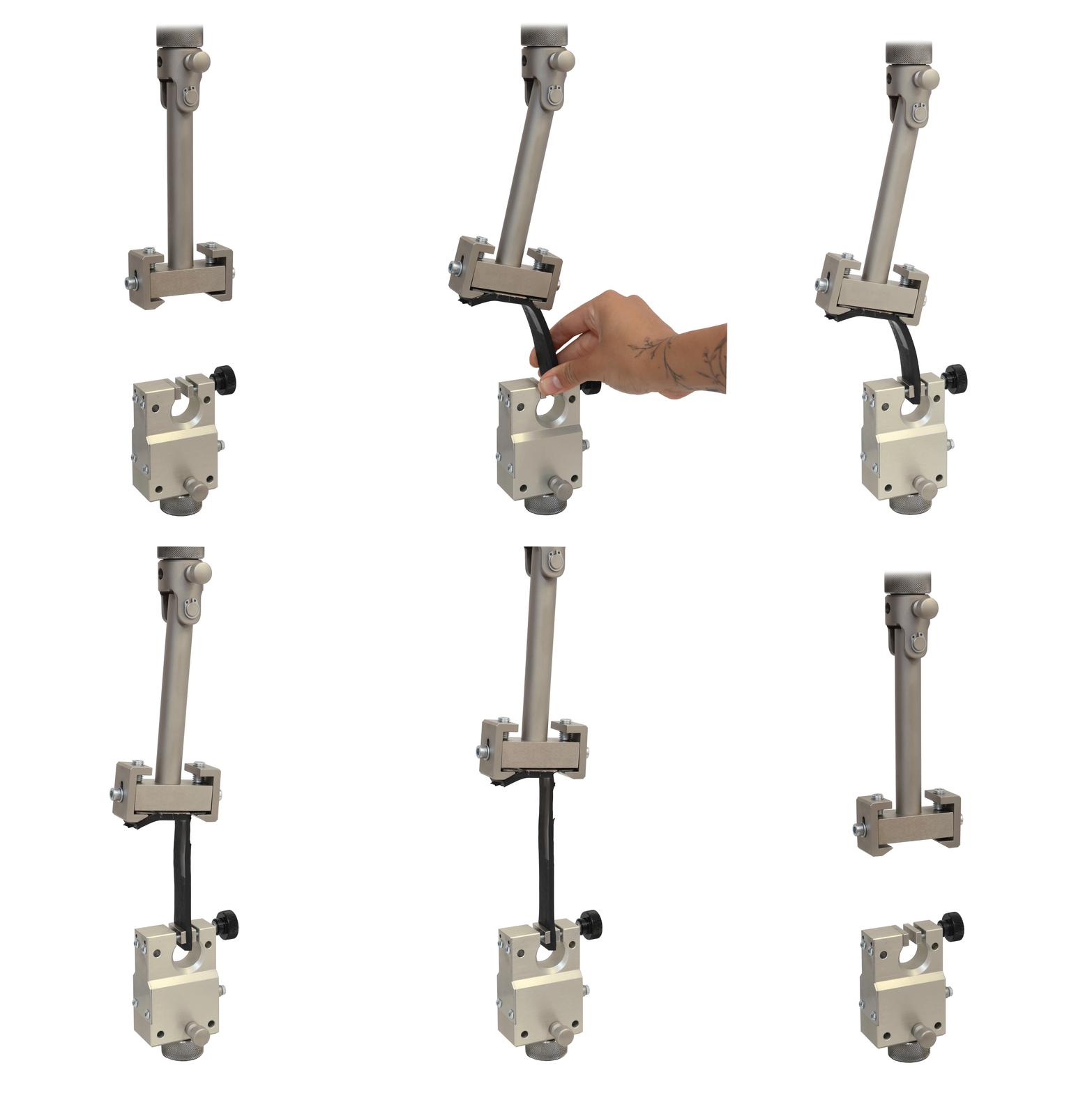
ASTM D1876 is an important test method employed in peel testing, specifically designed to measure the peel separation strength between two flexible materials that have been bonded together. This type of peel test is commonly referred to as the “T-Peel” test because the sample resembles the letter “T” when loaded into the peel tester. The T peel test is essential for determining the peel resistance of adhesive bonds, providing critical data that informs manufacturing processes and material selections. Understanding the mechanics and results of this test method allows industries to enhance the reliability and performance of adhesive bonds in various applications.
What is ASTM D1876?
ASTM D1876 is a standardized test method developed by ASTM International, a globally recognized leader in the development and delivery of voluntary consensus standards. This specific test method is designed to determine the peel resistance of adhesive bonds between flexible adherends. The test is typically conducted using a T-peel configuration, where the bonded materials are pulled apart in a manner that resembles the letter "T." The primary goal of ASTM D1876 is to quantify the force required to separate the bonded materials, providing a measure of the adhesive's peel strength.
The test is applicable to a wide range of materials, including tapes, films, and other flexible substrates. It is particularly useful in industries where adhesive bonds are subjected to peeling forces, such as in packaging, automotive, and aerospace applications. By following the guidelines outlined in ASTM D1876, manufacturers can ensure that their adhesive products meet the necessary performance criteria for their intended applications.
Understanding the T Peel Test
The T peel test is a universally recognized method for assessing the peel resistance of adhesive bonds between flexible adherends. This test involves the careful separation of two bonded, flexible adherends at a constant rate, typically set at 127 mm (5.0 in) per minute, to determine the relative peel resistance of the adhesive bond. As specified in ASTM D1876, the T peel test is crucial for optimizing processes and applications across a variety of industries, from packaging to aerospace.
During the test procedure, the specimen is securely clamped at each end in separate test grips and then separated at a constant rate using a universal tester or tension testing machine. The data collected during the test includes peel load, peel strength (measured in lb/in), and the type of failure observed. This information provides valuable insights into the effects of variations in test specimen preparation, such as adhesive curing, adhesive thickness, the type of adherends used, and the conditioning of the materials. By analyzing these data points, manufacturers can make informed decisions to enhance product design and material selection.
The T peel test is an indispensable tool for evaluating the performance of adhesive bonds in industries like packaging, automotive, and aerospace. By understanding the peel resistance of adhesive bonds, manufacturers can ensure the reliability and durability of their products, thereby enhancing product quality and safety. This test method not only aids in quality control but also plays a pivotal role in research and development, leading to innovative adhesive solutions.
Preparing the Specimens
To conduct the test in strict accordance with ASTM D1876 standards, it is essential to prepare 10 specimens per adhesive type. Use a precision sample cutter to cut a strip of each of the two adherends, with each strip being 1 inch wide by 12 inches long. The adherends should be bonded together over a length of 9 inches, leaving 3 inches unglued for gripping purposes. It is crucial to ensure that the test panel materials are selected to closely mimic the end-use application for an accurate assessment of adhesive peel resistance. Proper specimen preparation is vital for obtaining reliable and reproducible test results.
ASTM D1876 Test Procedure
The ASTM D1876 T peel test procedure is a meticulous process designed to accurately measure the peel resistance of adhesive bonds between flexible adherends. This procedure provides critical insights into the adhesive's performance, informing product development and quality assurance across various industries.
-
Test Setup: Begin by setting the peel tester to ensure it has at least 9 inches of travel. This setup is essential to accommodate the full length of the test specimen and capture comprehensive data on the adhesive bond's performance.
-
Specimen Preparation: Carefully prepare your specimen by clamping it in the “T” peel formation into the grips of the testing machine. Pay close attention to variations in the bond line, such as adhesive curing and thickness, as these factors can significantly impact the test results. Proper alignment of the specimen is critical to ensure accurate measurement of peel resistance, as misalignment can lead to skewed data and unreliable results.
-
Conducting the Test: Execute the test at a controlled speed of 10 inches/min for a total travel distance of 9 inches. This controlled speed ensures the test is conducted under consistent conditions, allowing for precise measurement of the adhesive's peel resistance. The testing machine should be calibrated to maintain this speed accurately throughout the test.
-
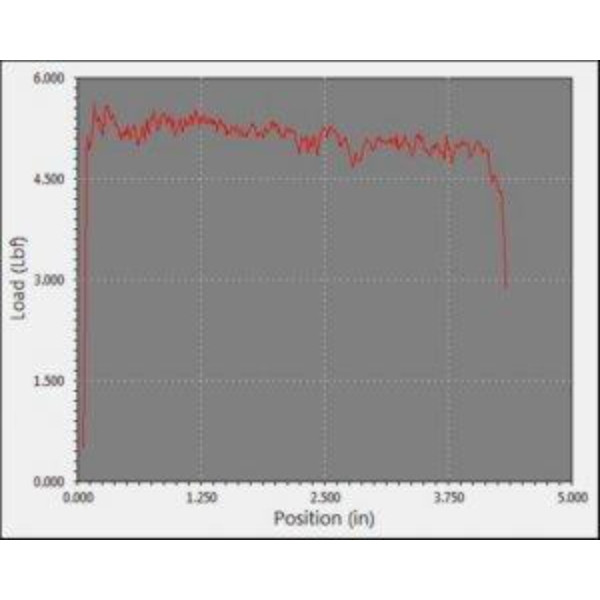
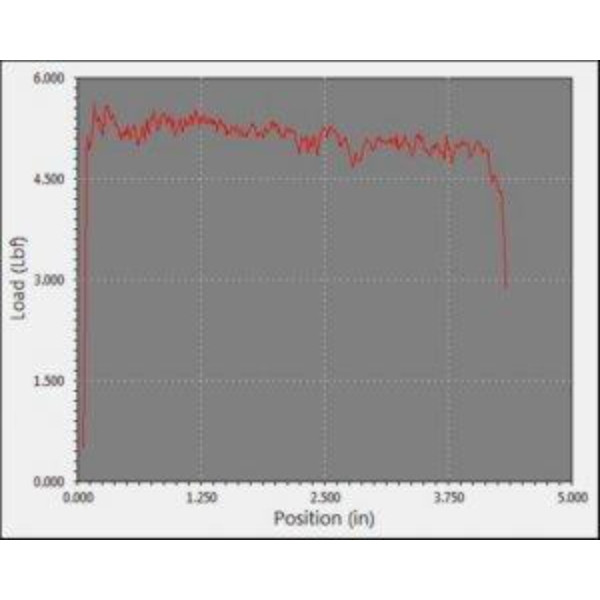
Data Collection and Analysis: Record the raw force and displacement data, which is plotted on the peel plot. For ASTM D1876, it is essential to identify the minimum, maximum, and average force, as well as the average peel strength (calculated as force divided by peel width). This data provides a quantitative measure of the adhesive's performance, offering insights into its suitability for specific applications.
In addition to the T-Peel test, other peel tests like the 90-degree and 180-degree peel tests can be used to assess the adhesion strength of bonded materials. These alternative tests provide additional insights into the adhesive performance under different conditions and configurations, allowing for a comprehensive understanding of the adhesive's capabilities.
By following this detailed procedure, manufacturers can ensure that their adhesive products meet the necessary performance criteria for their intended applications. The ASTM D1876 T peel test is an invaluable tool for optimizing adhesive formulations and bonding processes, leading to enhanced product quality, safety, and reliability.
Importance of Peel Resistance
Peel resistance is a critical property of adhesive bonds, determining their ability to withstand stress, strain, and environmental conditions. This property is essential for the performance and functionality of flexible packaging, ensuring it can endure various stresses and environmental factors. High peel resistance is often associated with enhanced durability and longevity of the adhesive bond, which is crucial for maintaining product integrity.
Several factors influence the peel resistance of an adhesive bond, including adhesive thickness, the type of adherends used, and the conditioning of the materials. A high peel resistance is desirable in many applications, as it ensures the integrity and stability of the adhesive bond, which is vital for maintaining product quality and safety. Understanding these factors allows engineers and researchers to optimize adhesive formulations and bonding processes.
Understanding and optimizing peel resistance is crucial in the development of new packaging materials and applications. By studying peel resistance, researchers and manufacturers can improve the performance of adhesive bonds, leading to more reliable and durable products. The importance of peel resistance cannot be overstated, as it directly impacts the performance and functionality of adhesive bonds in various applications. This understanding is pivotal for industries aiming to innovate and improve their adhesive technologies.
Applications and Industries
The T peel test is extensively used across various industries, including packaging, automotive, aerospace, and construction. In the packaging industry, the test evaluates the performance of adhesive bonds in flexible packaging, such as food, pharmaceutical, and cosmetic packaging. It also plays a crucial role in developing new packaging materials and applications. The insights gained from the T peel test help manufacturers ensure that their packaging solutions meet stringent safety and performance standards.
In the automotive industry, the T peel test assesses the performance of adhesive bonds in applications like body-in-white and interior components. Similarly, in the aerospace industry, the test evaluates adhesive bonds in structural components and composites, ensuring they meet stringent safety and performance standards. These industries rely heavily on adhesive technology to improve vehicle and aircraft performance, reduce weight, and enhance fuel efficiency.
The construction industry also relies on the T peel test to evaluate adhesive bonds in applications like roofing and flooring. Additionally, the test is widely used in research and development to understand the behavior of adhesive bonds and optimize their performance. By utilizing the T peel test, industries can ensure the reliability and durability of their adhesive bonds, leading to safer and more efficient products. The test results guide the development of adhesives that can withstand harsh environmental conditions and mechanical stresses.
ASTM D1876 Advice From Our Engineers
For ASTM D1876, be meticulous in aligning the two adherends straight in the grips so that the peel interface is perpendicular to the length of the specimens. Be vigilant about specimens slipping as the adherends neck down due to Poisson’s effect. If you are using an actuator with a 12-inch stroke, make sure you set it up so the peel test begins with the actuator almost fully extended; otherwise, you will run out of actuator stroke before completing the peel. Different peel tests, including the T-Peel test, can provide valuable insights into the adhesion strength of various materials. Proper setup and execution of the test are crucial for obtaining accurate and meaningful results.
Peel Test Machines
Peel test machines are essential tools in the field of adhesive testing, designed to measure the peel resistance of adhesive bonds between flexible adherends. These machines are equipped with advanced features that ensure accurate and reliable measurement of peel strength, making them indispensable in various industries, including packaging, automotive, aerospace, and construction.
Peel test machines are integrated with sophisticated software systems that allow for precise control of test parameters, such as speed, force, and distance. These systems enable users to conduct a wide range of peel tests, including the T peel test, 90-degree peel test, and 180-degree peel test, providing comprehensive insights into the adhesive's performance under different conditions.
These machines are equipped with high-precision load cells that measure the force required to peel the bonded materials apart, providing critical data on the adhesive's peel resistance. This data is crucial for determining the relative peel resistance of adhesive bonds, allowing manufacturers to optimize their adhesive formulations and ensure that their products meet the necessary performance standards.
Our peel test machines are available in various configurations, catering to different testing needs and material characteristics. Some machines are specifically designed for testing flexible materials, while others are suitable for rigid substrates. The choice of machine depends on the specific requirements of the test and the characteristics of the materials being tested.
In addition to measuring peel resistance, these machines can also provide valuable insights into the adhesive's behavior during the peeling process. By analyzing the force-displacement curves generated during the test, researchers can gain a deeper understanding of the adhesive's mechanical properties and its ability to withstand different types of stresses.
Peel Test Machines
Universal Test Machines Configured for Peel Test Applications
Peel test machines are universal test machines specially configured to determine the adhesive peel strength or the strength of the adhesive bond between two materials. Each peel tester is configured to your test requirements by our application engineers with the correct controller, grips, and accessories.
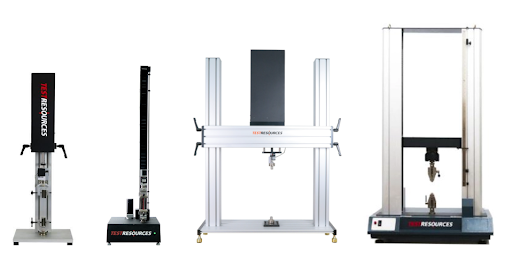
Peel testers are also commonly referred to as, adhesion testers, bond strength testers, and tensile strength testers. These terms can be used interchangeably.
Newton Test Controller
From simplified test setups to an intuitive controller software interface and pre-configured methods for industry standards - this innovative technology ensures that your test application are conducted seamlessly and with precision.
Accurate & Repeatable Test Results
- Simple test setup, operation, and reporting
- Flexible and scalable software packages - Get what you need now with room to grow!
- Prebuilt test methods for many of the most common application-specific testing standards
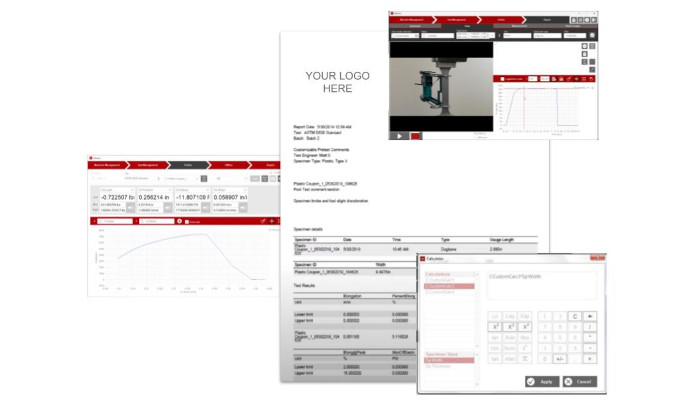
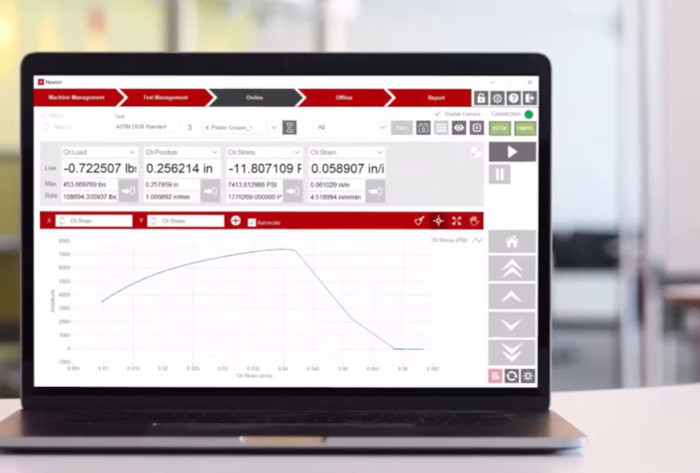
High-performance and easy-to-use controller with logical workflow design
With an intuitive interface, Newton makes it easy for users to navigate through various options and settings, ultimately enhancing the overall user experience. By streamlining complex procedures into user-friendly steps, this software serves both experienced test engineers and beginners alike to conduct tests with confidence and accuracy.
Peel Grips and Accessories for Peel Testing
We recommend pneumatic grips for ASTM D1876 because flexible adherend material usually necks down when it is stretched, and therefore manual grips can be at risk of slipping. G94 Pneumatic Grips provide a consistent gripping force, even when the flexible adherends neck down during stretching as a result of Poisson's effect. G229 Pneumatic Vice Grips are another option for people testing their products at higher force capacities, whereas the G94 are only rated to 22.5 lbs and the G229 are rated to 112.5 lbs. These grips ensure that the specimen remains securely held throughout the test, preventing slippage and ensuring accurate measurement of peel resistance.
If you feel you do not need pneumatic grips, G227 Screw Action Grip also work well for ASTM D1876. Both of the G227 & G94 grip choices are light, which is helpful when using a small force capacity load cell. Selecting the appropriate grip type depends on the specific requirements of the test and the characteristics of the materials being tested. Proper grip selection is crucial for ensuring the accuracy and reliability of the test results.
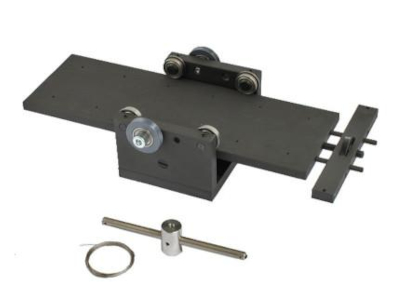
Peel Test Fixtures
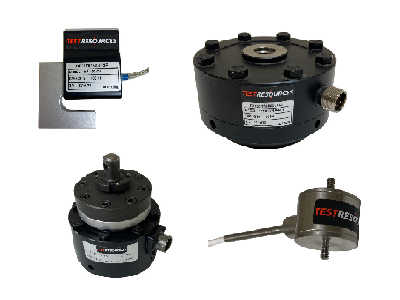
Load Cells
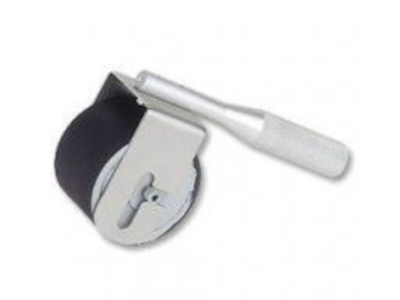
Weighted Rollers
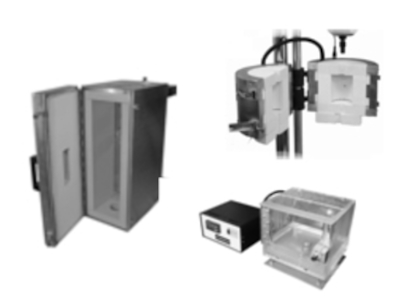
Environmental Accessories
The Role of Adhesive Thickness in Peel Resistance
Adhesive thickness plays a significant role in determining the peel resistance of a bonded assembly. Thicker adhesive layers can provide greater flexibility, allowing the bond to absorb and distribute stress more effectively. However, excessively thick adhesive layers may lead to increased peel forces due to the larger volume of material that must be overcome during the separation process.
In contrast, thinner adhesive layers may result in lower peel resistance, as there is less material available to absorb and distribute stress. The optimal adhesive thickness depends on the specific requirements of the application, including the types of materials being bonded, the expected load conditions, and the desired performance characteristics.
When conducting the T peel test, it is crucial to control and measure the adhesive thickness accurately. Variations in adhesive thickness can significantly impact the test results, leading to inconsistent or unreliable data. By carefully selecting and controlling the adhesive thickness, manufacturers can optimize the peel resistance of their adhesive bonds, ensuring that they meet the necessary performance standards.
Comparing 90 Degree and 180 Degree Peel Tests
In addition to the T peel test, other peel tests such as the 90-degree and 180-degree peel tests are commonly used to evaluate the adhesion strength of bonded materials. While the T peel test is specifically designed for flexible adherends, the 90-degree and 180-degree peel tests are often used for more rigid substrates.
The 90-degree peel test involves peeling the bonded materials at an angle of 90 degrees relative to the substrate. This test is particularly useful for evaluating the peel resistance of adhesive bonds in applications where the bonded materials are subjected to perpendicular forces. The 90-degree peel test provides valuable insights into the adhesive's ability to withstand shear forces, which are common in many industrial applications.
The 180-degree peel test, on the other hand, involves peeling the bonded materials at an angle of 180 degrees, effectively pulling the materials apart in a straight line. This test is often used to evaluate the peel resistance of adhesive bonds in applications where the bonded materials are subjected to tensile forces. The 180-degree peel test provides a direct measure of the adhesive's tensile strength, making it an essential tool for assessing the performance of adhesive bonds in high-stress environments.
ISO 11339 and Its Relevance to Peel Testing
ISO 11339 is an international standard that specifies the T-peel test method for flexible-to-flexible bonded assemblies. This standard provides guidelines for conducting the T peel test, including the preparation of test specimens, the testing procedure, and the calculation of results. ISO 11339 is widely used in conjunction with ASTM D1876 to ensure consistency and reliability in peel testing across different industries and applications.
The standard is applicable to a wide range of materials, including tapes, films, and other flexible substrates. It provides a comprehensive framework for evaluating the peel resistance of adhesive bonds, ensuring that they meet the necessary performance criteria for their intended applications. By following the guidelines outlined in ISO 11339, manufacturers can ensure that their adhesive products are tested to the highest standards of quality and reliability.
ISO 11339 vs ASTM D1876 - What is the Difference?
ISO 11339 and ASTM D1876 are both internationally recognized standards for peel testing, specifically focusing on the evaluation of peel resistance in adhesive bonds. Despite their similarities, these standards have distinct differences that cater to varied testing needs and industry requirements.
ISO 11339 is an international standard that primarily addresses the T-peel test for flexible-to-flexible bonded assemblies. It provides comprehensive guidelines for preparing test specimens, executing the test procedure, and calculating results. This standard is widely used across industries to ensure consistency and reliability in peel testing, offering a global framework that facilitates cross-border trade and quality assurance.
On the other hand, ASTM D1876 is a standard developed by ASTM International, focusing on the peel resistance of adhesive bonds between flexible adherends. It is particularly popular in the United States and is extensively used in industries such as packaging, automotive, and aerospace. ASTM D1876 provides detailed procedures for conducting the T peel test, emphasizing the importance of specimen preparation, test execution, and data analysis.
While both ISO 11339 and ASTM D1876 aim to evaluate the peel resistance of adhesive bonds, they differ in their scope and application. ISO 11339 offers a broader international perspective, making it suitable for companies operating in multiple countries. In contrast, ASTM D1876 is often preferred by organizations that adhere to ASTM standards for regulatory compliance or industry-specific requirements.
Understanding the differences between ISO 11339 and ASTM D1876 is crucial for manufacturers and researchers involved in adhesive testing. By selecting the appropriate standard, they can ensure that their products meet the necessary performance criteria and are tested to the highest standards of quality and reliability. This knowledge empowers industries to optimize their adhesive formulations and bonding processes, leading to enhanced product performance and customer satisfaction.