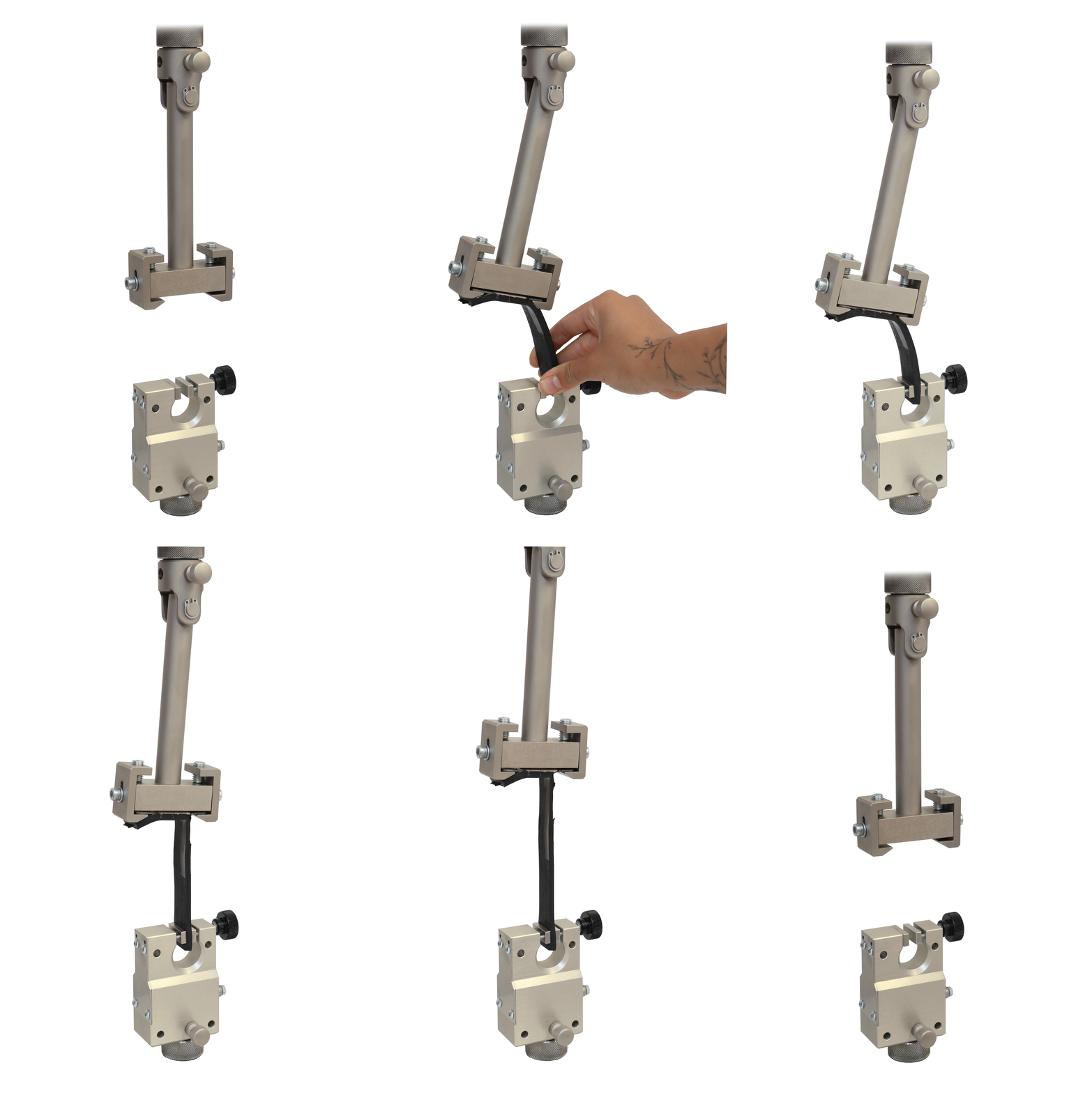
ASTM D695 Compression Testing of Rigid Plastics
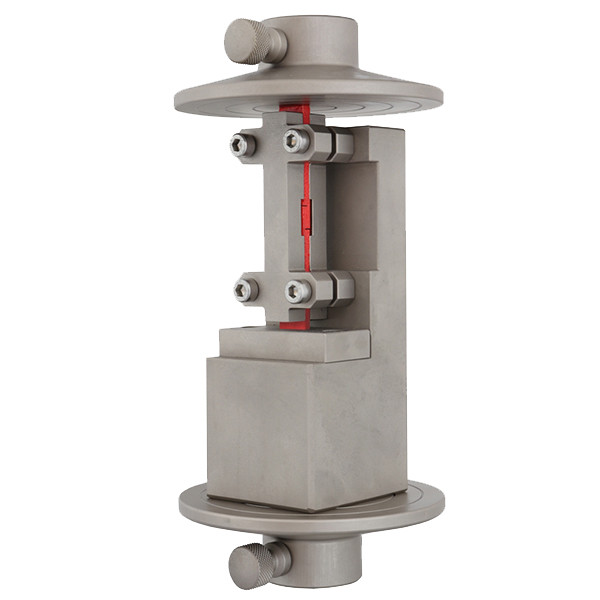
ASTM D695 is a standard test method used to determine the compressive properties of rigid plastics. This test is crucial for assessing how these materials perform under compression, which is essential for ensuring the safety and reliability of products in industries like automotive and aerospace. In this article, we will explore the key aspects of ASTM D695, including its methodology, specimen requirements, and the importance of the data it provides.
Understanding ASTM D695
ASTM D695 serves as a cornerstone in the field of materials testing, specifically tailored to assess the compressive properties of rigid plastics. This standardized method evaluates both unreinforced and reinforced plastics, ensuring they meet stringent criteria for compressive strength and overall reliability. Adhering to these standards guarantees product quality, safeguarding consumer trust and satisfaction.
The importance of ASTM D695 extends beyond mere compliance; it is instrumental in refining product design and material selection. Understanding material behavior under compressive forces allows engineers to make informed decisions, mitigating failure risks in high-stakes industries like automotive and aerospace. Predicting and enhancing material performance under stress is invaluable in sectors where safety and durability are non-negotiable.
Additionally, the measurement of compressive strain is a key aspect of determining how materials behave under compression, providing critical data for material selection and product design.
ASTM D695 is not just about numbers and data; it’s about ensuring that the materials we rely on every day can stand up to the demands placed upon them. Whether it’s the plastic components in your car or the materials used in aircraft, this test method is a critical step in ensuring that these products perform as expected, providing peace of mind and safety for users.
Key Properties Measured by ASTM D695
The compressive properties of rigid plastics, as measured by ASTM D695, are crucial indicators of a material’s performance under stress. Key among these mechanical properties are the compressive modulus of elasticity, yield stress, compressive strength, and compression properties. These metrics provide a comprehensive understanding of how a material will behave when subjected to compressive forces, which is essential for applications requiring high structural integrity.
The use of compression platens, which can be either lubricated or unlubricated depending on the test requirements, is crucial for accurately measuring the compressive properties of materials.
Compressive modulus, also known as modulus of elasticity, is a measure of a material’s ability to deform elastically under compressive load. It is calculated as the ratio of stress to strain in compression, providing insight into the material’s stiffness. Yield stress, on the other hand, indicates the stress level at which a material begins to deform plastically. Beyond this yield point, the material will not return to its original shape, marking a critical threshold in the stress-strain relationship.
Interpreting compressive strength data requires understanding the stress-strain curve. This curve illustrates the relationship between the applied stress and the resulting strain, highlighting key points such as the yield point and ultimate compressive strength. Ultimate compressive strength is the maximum stress a material can withstand before failure, representing its capacity to bear compressive loads and compressive force without rupturing. For materials that do not rupture, maximum compressive stress can be reported at specified deformation levels, such as 1%, 5%, or 10% of the original height.
Measuring these properties, ASTM D695 offers a detailed profile of a material’s compressive behavior. This information is crucial for engineers and designers who need to ensure that the materials they select will perform as expected under the specific conditions of their applications. Insights from this testing method advance material science and enhance product reliability.
Compressive Strength of Rigid Plastics
The compressive strength of rigid plastics is a pivotal mechanical property that determines their ability to endure compressive forces without failing. Defined as the maximum stress a material can withstand under compressive loading, compressive strength is crucial in the design and manufacturing of products made from rigid plastics. This property ensures that the material can support the intended loads and stresses, maintaining structural integrity and performance.
To measure compressive strength, the ASTM D695 standard test method is employed. This involves applying a compressive load to a standard test specimen until failure occurs. The compressive strength is then calculated by dividing the maximum load sustained by the specimen by its cross-sectional area. This method provides a precise measurement of the material’s capacity to withstand compressive forces.
Rigid plastics with high compressive strength are indispensable in applications where significant loads and stresses are expected. In the automotive industry, for instance, these materials are used in car bumpers and dashboards, which must absorb impact and support structural loads. Similarly, in the aerospace industry, components such as aircraft seats and panels rely on high compressive strength to ensure safety and durability under extreme conditions.
By understanding and measuring the compressive strength of rigid plastics, engineers and designers can make informed decisions about material selection, ensuring that their products meet the necessary performance and safety standards.
Test Specimen Requirements
The accuracy and reliability of ASTM D695 compression testing hinge on the precise preparation of test specimens. Two primary geometries are used: cylinders and prisms, each with standardized dimensions to ensure consistency across tests. These specimens must be meticulously crafted to meet specific size requirements, which are critical for obtaining valid and comparable results.
Cylinder specimens typically have dimensions with a length twice the diameter. A standard cylinder used in this test measures 12.7 mm in diameter and 25.4 mm in length. Prism specimens, on the other hand, are usually right-angled blocks with dimensions such as 12.7 x 12.7 x 25.4 mm. These dimensions are carefully chosen to provide a uniform basis for testing various materials under compression.
The preparation of these test specimens must adhere to rigorous specifications. This ensures that the results are not skewed by irregularities in sample geometry. Strict control over specimen dimensions ensures that ASTM D695 testing provides reliable data reflecting the material’s compressive properties. This precision is essential for making informed decisions about material selection and product design in industries where performance and safety are paramount.
Testing Equipment and Fixtures
To conduct ASTM D695 testing, specialized equipment and fixtures are essential. Central to this process is the universal testing machine, which is configured to apply a constant rate of crosshead displacement during the test. This machine ensures that the compressive load is applied uniformly, providing accurate and consistent results across different test specimens.
A compression fixture is essential for precise axis alignment of specimens with the machine's piston, ensuring accurate application of compressive force and reliable data collection.
The fixtures used in ASTM D695 testing are designed to accommodate both unreinforced and reinforced rigid plastics. These fixtures include support plates that align the test specimen along the load axis, ensuring proper positioning and minimizing the risk of buckling. For reinforced plastics or thin specimens measuring 3.2 mm or less, anti-buckling fixtures are required. These fixtures, consisting of inserts matching ‘D695 FIG. 4’, prevent the specimen from deforming in ways that could compromise the test results.
Compression Test Machines
Compression test machines are usually universal testing machines that are specially configured to evaluate static compressive strength characteristics of materials, products, and components. Our wide variety of compression test machines are designed to measure characteristics such as ultimate compression strength, yield strength, deflection, and modulus.
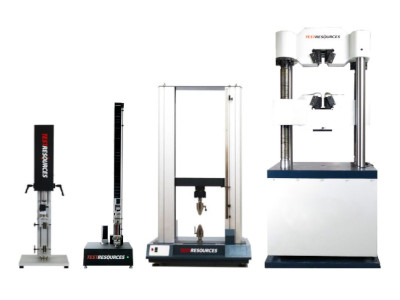
Choose from over 40 models with force capacities ranging from very low forces up to 3 MN (660 kip) and two different technologies, offering hundreds of configuration options. This allows you to optimize your testing capabilities and select exactly what you need.
What Are the Fixture Requirements for Rigid Unreinforced Plastics per ASTM D695?
For rigid unreinforced plastics, the test samples for strength measurements are based on right cylinder or prism sample geometries whose length is twice its principle width or diameter. To test this material type and this geometry, the ASTM D695 standard defines the need for a special test fixture,“FIG. 2 Compression Tool”, which corresponds to FIG2 compression fixture GD695-813.
What Are the Fixture Requirements for Rigid Reinforced Plastics per ASTM D695?
For reinforced plastics and thin materials (3.2 mm or less), you need an anti-buckling fixture that consists of a set of inserts matching "D695 FIG. 4".
Our G793 plastics compression test fixture has been created for these applications and it offers a modular design that serves multiple applications including the ASTM D695. In fact it can be configured to serve a broad range of polymer matrix composite applications and international test methods involving plastics.
Each G793 fixture configuration is matched to your exact test requirements using different inserts that are compatible with a common carrier. The G793 carrier was developed in support of Boeing’s needs as defined by their Boeing standard BSS 7260, “Advanced Composite Compression Tests”, Boeing document D888-10026. The carrier is now known as a "Modified ASTM D695" which is an improvement over the original D695 “I shaped” lateral support plate. It meets both the ASTM D695 standard and Boeing BSS 7260.
Detailed Test Procedure
The ASTM D695 test procedure is meticulously designed to ensure accurate measurement of compressive properties. The test specimen is first positioned between compressive plates that are aligned parallel to its surface. This alignment is critical for applying the compressive load uniformly across the specimen, preventing any uneven stress distribution that could skew the results.
The universal testing machine controls the compression rate during the test to ensure consistency. This consistent rate of compression ensures that the loading is uniform, allowing for precise measurement of the material’s response to compressive stress. An extensometer is often attached to the fixture to measure the modulus of elasticity during the test, providing real-time data on the material’s deformation under load.
The maximum load applied to the specimen is recorded, along with the stress-strain data, which are essential for calculating the material’s compressive properties. This data provides a detailed profile of how the material behaves under compression, including key metrics such as yield stress, compressive strength, and ultimate compressive strength.
Following this detailed procedure ensures accurate and reproducible results, offering valuable insights into the material’s performance.
Sample Conditioning and Environmental Testing
Test specimens must be conditioned to achieve equilibrium with standard room conditions before testing. This step ensures that the results are consistent and comparable across different materials. ASTM D695 testing can be conducted under a wide range of temperature conditions, from -73 °C to 316 °C, depending on the material’s intended application environment. Non-ambient testing conditions, ranging from -53°C to 200°C, are used to assess the material’s performance under extreme environments.
The conditioning process can vary significantly, taking from 20 days to over 100 days based on the material type and thickness. Proper conditioning ensures test specimens are in a stable state before testing, providing reliable data. This stability is crucial for accurately interpreting the stress-strain data and understanding the material’s behavior under compressive loads.
Interpretation of Results
Interpreting the results of ASTM D695 testing requires a thorough understanding of the stress-strain curves generated during the test. Conditioning the specimens to standard room conditions is vital for obtaining reliable comparisons across different materials. Standardizing humidity and temperature conditions before testing ensures that the results are not influenced by external factors, providing a consistent basis for comparison.
The shape of the stress-strain curve can vary significantly based on the material’s properties and the testing conditions. These variations are critical for accurately calculating compressive properties such as yield stress, compressive strength, and ultimate compressive strength. Understanding these variations allows engineers to make informed decisions about material selection and product design, ensuring that the materials used in their applications can withstand the required compressive loads.
Accurate interpretation of the stress-strain data is essential for predicting how materials will behave under real-world conditions. This understanding is crucial for ensuring the safety and reliability of products across various industries, from automotive to aerospace.
Benefits of ASTM D695 Testing
ASTM D695 compression testing plays a crucial role in quality control and material selection for various projects. By assessing the compressive properties of rigid plastics, this testing method ensures that materials meet the required standards for safety and structural integrity. This is particularly important in industries where failure under compressive loads can have catastrophic consequences, such as in automotive and aerospace applications.
The systematic approach provided by ASTM D695 allows for accurate prediction of material performance under compressive forces. This predictive capability is invaluable for engineers and designers, enabling them to select materials that will perform reliably in their intended applications. Identifying potential weaknesses early in the design process helps reduce costs associated with product recalls and redesigns.
Moreover, compliance with ASTM D695 enhances customer trust by ensuring that products meet globally recognized standards. This compliance not only boosts consumer confidence but also supports advancements in new materials and products through rigorous research and development. Overall, ASTM D695 testing provides a robust framework for ensuring the reliability and safety of rigid plastics in various applications.
Frequently Asked Questions
The ASTM compression test for plastic, specified in ASTM D695, assesses the compressive properties of both un-reinforced and reinforced plastics. This standard is essential for evaluating the material's performance under compression, complementing the tensile properties measured by ASTM D638.
The ISO equivalent of ASTM D695 is ISO 604.
The standard specimen size for ASTM D695 is a block measuring 12.7 x 12.7 x 25.4 mm or a cylinder with a diameter of 12.7 mm and a length of 25.4 mm. Reading the standard to ensure compliance with these dimensions for accurate testing results, is important.
ASTM D695 serves to determine the compressive strength of rigid unreinforced and reinforced plastics, which is essential for ensuring product quality for consumers.
A universal test machine or compression test machine with a constant rate of crosshead displacement is typically utilized for ASTM D695 testing. This arrangement ensures accurate measurement of compressive properties.