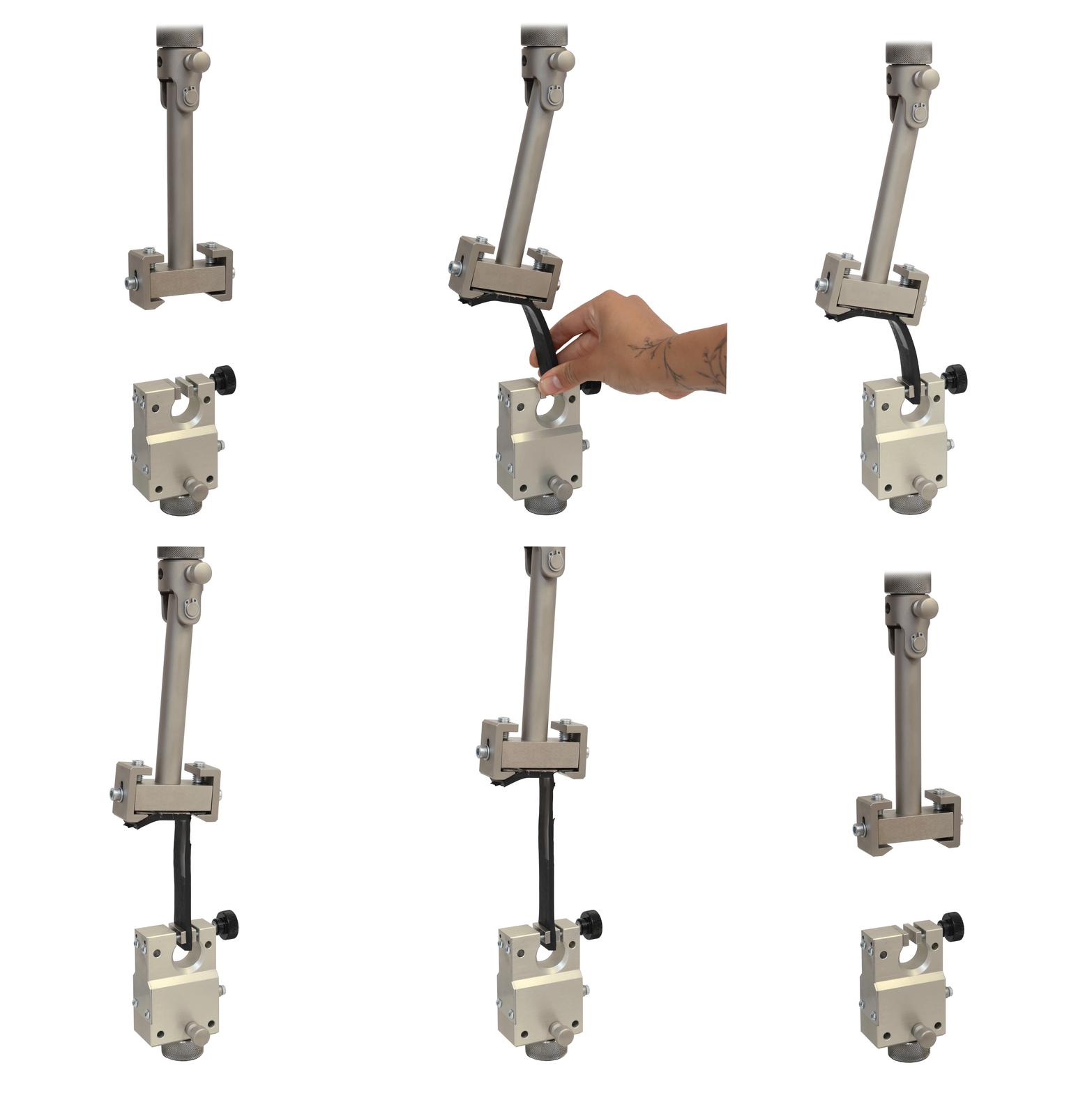
ASTM D828 Tensile Force Deflection of Paper and Paperboard
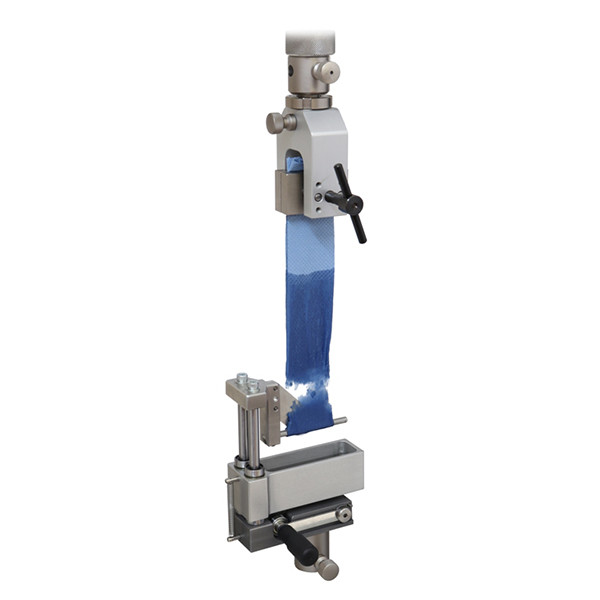
ASTM D828 is a standard for measuring the tensile properties of paper. It ensures consistent quality and performance in paper products. Understanding ASTM D828 helps manufacturers and users assess the durability and suitability of paper materials.
Overview of ASTM D828
ASTM D828 is primarily concerned with defining a standardized method for measuring the tensile properties of paper and paperboard. Standardizing tensile strength tests through ASTM D828 ensures consistent product quality and performance across the paper industry. Assessing tensile properties through this standard is crucial for evaluating the performance and suitability of paper products.
ASTM D828 plays a vital role in the industry. It provides a reliable framework for measuring the tensile strength, stretch, and tensile energy absorption of paper, ensuring that manufacturers can produce high-quality products that meet industry standards. Such consistency helps maintain the integrity and functionality of paper products across various applications.
Importance in Paper Testing
In the context of paper, tensile strength indicates the maximum stress required to tear a strip of the paper sheet. This property is crucial for understanding the durability of paper products. This property is crucial in the paper industry for applications like printing, converting, and packaging papers. ASTM D828 provides essential metrics for understanding the tensile properties crucial to various paper and paper products manufacturing processes.
Evaluating tensile properties using ASTM D828 is critical for both manufacturing processes and the final application of paper products. A standardized test method like ASTM D828 allows for repeatable tests and consistent results, ensuring the quality and performance of printing papers, packaging papers, and other paper products.
Key Factors Influencing Tensile Properties
Several factors influence the tensile properties of paper, including the type of fibers used, the manufacturing processes, and the converting operations. Standard test methods for measuring tensile properties, such as ASTM D828, often focus on the tensile stress experienced by paper products. These factors are crucial for optimizing tensile strength and the overall performance of paper products. Evaluating these properties using the ASTM D828 standard is crucial for determining the suitability of paper products for various applications.
Environmental conditions such as humidity and temperature can also affect the tensile properties of paper during production and testing. Controlling these variables ensures more consistent and reliable testing results for manufacturers. The test measures several properties, including tensile strength at rupture and elongation at rupture.
Fiber Types and Treatment
Fiber types play a crucial role in determining the tensile strength of paper, impacting its performance during various applications. Different fibers contribute various properties to tensile strength, which is crucial for predicting the performance of printing papers and ensuring reliability and quality in printing processes. Testing tensile strength helps assess the durability of printing papers, which is vital to prevent web breaks during printing operations.
Fiber refining and treatment methods can significantly influence the tensile properties of paper. Proper fiber treatment enhances the bonding between fibers, resulting in stronger paper sheets. Optimizing fiber orientation and refining processes leads to paper with higher tensile strength and better performance characteristics.
Manufacturing Procedures
Specific manufacturing techniques can significantly enhance the tensile strength of paper by optimizing fiber bonding and sheet formation. The paper making process, particularly refining and sheet formation, significantly impacts the resulting tensile strength of the paper. The choice of manufacturing techniques, such as drying methods and the forming process, can greatly influence the final tensile strength of the paper.
The machine direction and speed during the manufacturing process also play a crucial role in determining the tensile properties of the paper. By carefully controlling these parameters, manufacturers can produce paper with consistent and reliable tensile strength.
Accurate and repeatable testing results depend on proper alignment and handling of test specimens during manufacturing.
ASTM D828 Test Method
The ASTM D828 standard outlines methods for measuring various properties, including tensile strength, stretch, and tensile energy absorption for paper and paperboard. The test method involves specific procedures for determining the tensile strength and related properties of paper products. Challenges in ASTM D828 testing often arise from specimen preparation, equipment calibration, or environmental conditions, necessitating careful attention to detail.
A significant challenge during ASTM D828 testing is ensuring that the test specimen does not fail prematurely due to improper preparation or environmental conditions. Proper equipment selection and calibration are crucial for consistent results in ASTM D828 testing.
Preparation of Test Specimens
Specimens must be prepared and conditioned according to the dimensions outlined in the ASTM D828 standard. The ASTM D828 standard requires precise alignment of test specimens to ensure consistent tensile strength results. Various equipment such as testing machines, grips, and alignment jigs are essential for performing ASTM D828 tests effectively.
Specimen failure during testing can be attributed to improper specimen dimensions or moisture content, which can be mitigated by standardizing preparation protocols. Ensuring that test specimens are properly prepared and conditioned is crucial for obtaining accurate and repeatable testing results.
Conducting the Test
Proper equipment selection is crucial for consistent results in ASTM D828 testing. The test method involves applying a tensile force to the test specimen until it breaks, with the results being recorded and analyzed. Ensuring that the test is conducted under controlled environmental conditions and using calibrated equipment is essential for achieving accurate and reliable testing results.
Measurement and Results
Tensile strength is typically expressed in terms of load per unit of the test specimen. The tensile index is determined by dividing the tensile strength by the basis weight. It is expressed in Nm/g. The basis weight of paper represents the weight in grams per square meter (g/m2) and is essential in calculating the tensile index.
The tensile properties measured in the ASTM D828 test are critical parameters in the paper industry, providing valuable insights into the quality and performance of paper products. Understanding these metrics ensures that products meet industry standards and perform reliably in their intended applications.
Equipment and Tools Used in ASTM D828 Testing
Measurement limitations in ASTM D828 testing include the precision of the testing equipment and the impact of environmental factors, such as humidity, on paper performance. Accurate and repeatable testing results depend on proper calibration and maintenance of testing equipment. To achieve repeatable results, it is crucial to standardize the testing environment and maintain consistent calibration of testing machines.
The equipment used in ASTM D828 testing includes various types of tensile strength testing machines, grips, and alignment jigs. Each of these tools plays a crucial role in ensuring the accuracy and reliability of the testing results.
Testing Machines
A tensile test machine is the most commonly used machine in testing tensile properties. Tensile strength tests can be performed using constant-rate-of-elongation equipment, which is versatile and suitable for both horizontal and vertical setups. Proper selection and calibration of testing machines are crucial for achieving consistent and accurate testing results.
Choosing the right testing machine and ensuring proper calibration leads to reliable and accurate tensile strength measurements. Contact us for help selecting the right test machine.
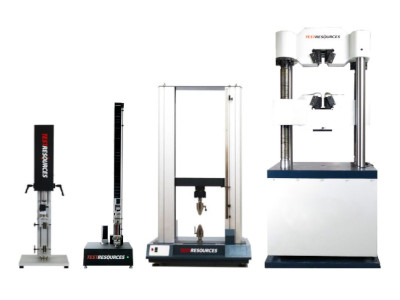
Tensile Test Machines
Get the Highest Value Tensile Testers
Choose form 38 different models and two different technologies with 100's of configurations which allows you to optimize your testing capabilities and pick exactly what you need.
Select Tensile Test MachinesGrips and Clamping Surfaces
Optimal grip pressure is crucial for obtaining accurate testing results, and pneumatic grips with adjustable pressure settings can enhance repeatability in tests. Using pneumatic grips allows for adjustable grip pressure, which minimizes the risk of specimen slippage or breakage during the tensile test. Proper grip clamping surfaces ensure that the paper samples remain stable and secure during tension testing, which is crucial to determine optimal grip pressure for obtaining reliable results.
The specified grip separation and clamping surfaces play a significant role in the accuracy of the testing results. Carefully determining the optimal grip pressure and ensuring proper grip separation defined minimizes the risk of specimen failure and yields more consistent testing results.
Alignment Jigs
Alignment jigs are essential for accurately positioning test specimens, thereby minimizing errors in tensile strength measurements. Using alignment jigs can significantly enhance the accuracy of the specimen alignment during tensile testing. Correct alignment of the specimen in the testing grips is crucial for achieving reliable results.
Properly aligning test specimens with the applied force reduces measurement errors and delivers more accurate testing results.
Common Challenges and Solutions in ASTM D828 Testing
Grip pressure is a significant challenge that can affect the outcomes of ASTM D828 testing. Pneumatic grips are crucial for maintaining the correct grip pressure, which directly affects the accuracy of tensile strength results. Addressing challenges related to grip pressure is essential for ensuring reliable and accurate ASTM D828 testing results.
Common challenges in ASTM D828 testing include specimen failure, measurement limitations, and ensuring repeatable tests. Addressing these challenges improves the accuracy and reliability of testing results.
Specimen Failure
Specimen failure during ASTM D828 testing can occur due to various challenges, including improper specimen preparation, equipment malfunction, or variations in the testing environment. Measurement limitations, such as inaccuracies in force measurements or misalignment of test specimens, can significantly influence the results and contribute to specimen failure. Implementing systematic procedures and checks during testing can help achieve repeatable results, thereby minimizing variables that may lead to specimen failure.
Addressing these challenges reduces the likelihood of specimen failure and delivers more accurate and reliable testing results. Proper preparation and alignment of test specimens, along with regular equipment calibration, are crucial for minimizing the risk of specimen failure.
Measurement Limitations
Measurement of tensile properties often encounters common challenges, which can be addressed to improve accuracy and reliability. One significant issue in tensile testing is specimen failure, which can stem from improper handling or flaws in the specimen itself.
To improve test repeatability, standardized procedures and equipment calibration should be regularly implemented. Addressing these measurement limitations ensures more consistent and reliable testing results.
Ensuring Repeatable Tests
Using precise and calibrated testing equipment is crucial to achieving repeatable results in ASTM D828 testing. Different types of tensile strength testing machines, such as manually operated and computer-controlled, play distinct roles in ensuring measurement accuracy. Utilizing the correct grips and clamping surfaces is essential to maintain consistent grip pressure and specimen alignment during testing.
Employing alignment jigs during testing helps ensure that test specimens are correctly aligned, reducing variability in results. Common challenges such as specimen failure can arise from improper specimen preparation or testing conditions, leading to inconsistent results.
Measurement limitations, such as the accuracy of results, can be improved by properly calibrating equipment and adhering to testing standards. Understanding and addressing these common challenges is vital for improving overall test repeatability in ASTM D828 testing.
Applications of ASTM D828 in the Paper Industry
Understanding tensile properties through ASTM D828 helps predict how different paper types will perform under stress in actual applications. Tensile strength results are critical indicators of a paper’s performance in applications subjected to direct stress. ASTM D828 helps ensure that paper products meet quality standards required for diverse applications.
These applications span various sectors of the paper industry, including printing papers, packaging papers, and combined corrugated boards. By evaluating the tensile properties of different paper products, manufacturers can ensure that their products meet the necessary performance criteria and maintain their structural integrity under various conditions.
Printing Papers
The tensile properties of printing papers are significantly influenced by key factors such as fiber types, treatment methods, and manufacturing processes. Different fiber types contribute various properties to tensile strength, which is crucial for determining the performance of printing papers. The specific manufacturing procedures employed can greatly impact the tensile strength of printing papers, influencing their overall quality and utility.
Testing the tensile strength of printing papers helps assess their capability to withstand stretching and prevent web breaks during printing processes. Ensuring the necessary tensile strength in printing papers allows manufacturers to produce reliable and high-quality products that meet industry demands.
Packaging Papers
ASTM D828 plays a crucial role in evaluating the tensile properties of packaging papers, enabling quality control and product performance assessments in the paper industry. Several factors can significantly influence the tensile properties of packaging papers, including the type of fibers used, their treatment, and the specific manufacturing processes undertaken. Various equipment and tools, such as tensile strength testing machines and alignment jigs, are essential for accurately conducting ASTM D828 tests on packaging papers.
Understanding the tensile properties of packaging papers ensures that products can handle the stresses encountered during transportation and handling. This is crucial for maintaining the integrity and functionality of packaging papers, ensuring that they meet industry standards and perform reliably in their intended applications.
Combined Corrugated Board
Tensile strength is a fundamental property that dictates the performance and functionality of combined corrugated boards in various applications. Understanding tensile properties allows manufacturers to produce corrugated boards that meet specific strength requirements for packaging and protection. Manufacturing procedures significantly impact the tensile strength of combined corrugated boards, affecting the quality and reliability of the final product.
Adjusting the production techniques can enhance the tensile properties, ensuring that the corrugated boards can endure various stresses during handling and shipment. Factors such as fiber types and their treatments directly influence the tensile properties of the combined corrugated board. Optimizing these factors allows manufacturers to produce high-quality combined corrugated boards that meet industry demands.
Frequently Asked Questions
ASTM D828 outlines the procedures for assessing the tensile properties of paper and paperboard. This standard is essential for evaluating the strength and durability of these materials.
The tensile properties measured by ASTM D828 can be significantly influenced by the type and treatment of fibers, as well as specific manufacturing and paper converting processes. It is essential to consider these factors to ensure accurate measurement outcomes.
Tensile strength is important in the paper industry because it ensures that papers can endure stretching and stress, which is essential for applications such as printing, converting, and packaging. This characteristic directly impacts the quality and durability of the final products.
ASTM D828 testing utilizes tensile strength testing machines, tensile grips, and alignment jigs to ensure accurate and reliable results. The proper equipment is crucial for the integrity of the testing process.