ASTM D903 180 degree Peel Strip Strength of Adhesive Bonds
ASTM D903 is a standard test procedure developed in accordance with international standards to determine the comparative peel or stripping characteristics of adhesive bonds. ASTM D903 provides guidance on testing standard-sized specimens at precisely controlled test machine speed. Our engineers are familiar with the ASTM D903 test procedure and can guide you through the process and help you choose the best equipment. The test method follows formal test methods with standardization established in accordance with internationally recognized principles. We also recommend that you purchase the ASTM D903 standard and follow it closely to achieve the best results.
Overview of the Standard Test Method
The Standard Test Method for Peel or Stripping Strength of Adhesive Bonds, known as ASTM D903, is a widely accepted and internationally recognized standard. This method is crucial for evaluating the strength of adhesive bonds between two materials. It provides a comprehensive framework for determining the comparative peel or stripping characteristics of adhesive bonds, ensuring the reliability and performance of various products and applications. The test method covers the determination of peel or stripping strength under defined conditions, including pretreatment, temperature, and testing machine speed. By adhering to this standard, manufacturers can ensure consistent and accurate results, which are essential for product quality and compliance.
Preparing the Specimen
In order to test in strict accordance with ASTM D903, first carefully prepare 10 specimens according to the “Test Specimen” section. This includes cutting your adhesive samples into specific sized strips and conditioning the samples. We offer an ASTM D903 sample cutter so that you can cut the strips easily to the exact size you need. It is important to establish appropriate safety, health, and environmental practices during specimen preparation to address any potential safety concerns.
Now make sure you have your ten samples ready, alongside a rigid substrate that they can stick to. Depending on the product you are testing, this rigid substrate can be anything from metal to wood, glass and more.
Regulatory Considerations
When utilizing the Standard Test Method for Peel or Stripping Strength of Adhesive Bonds, it is essential to consider regulatory limitations prior to use. These limitations may include restrictions on certain materials, mandatory safety protocols, and environmental guidelines. Users must determine the applicability of these regulatory limitations and ensure compliance with all relevant regulations and guidelines. Additionally, it is crucial to establish appropriate safety, health, and environmental practices to prevent accidents and minimize environmental impact. By understanding and adhering to these regulatory considerations, users can conduct tests safely and responsibly, ensuring the strength of adhesive bonds meets all necessary standards.
ASTM D903 Standard Test Method Procedure
-
Make sure your substrate is clean and dry, and then adhere six inches of your sample onto the substrate.
-
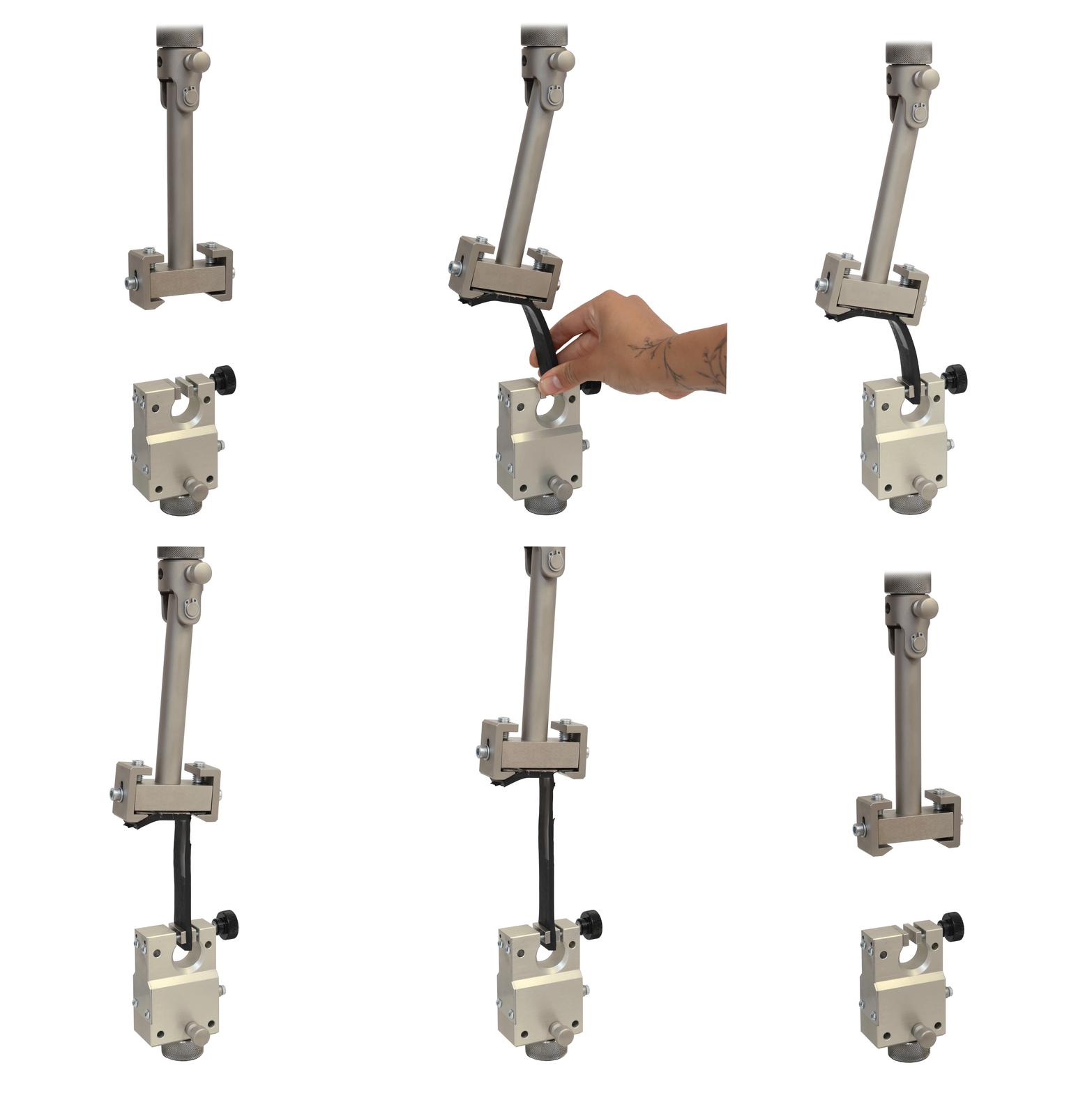
Place the specimen in the test machine by clamping one free end of the substrate in one grip. Now pull the free end of the specimen (such as a strip of tape) over the back, in a “U” shape, and clamp it in the other grip. The specimen should now be in a “U” shape, and when pulled, will peel at a 180 degree angle.
-
Set the machine at a rate of six inches per minute and pull at least one half of the specimen to measure the adhesive bond strength. Peel force is measured in pounds per inch (where inch is the length of the peel line).
Other Test Methods
The T peel test is another method used to evaluate the adhesive bond's peel or stripping strength. Unlike the 180-degree peel test used in ASTM D903, the T peel test examines the adhesive strength when two flexible substrates are bonded and then peeled apart in a T-shaped configuration. This test is beneficial for determining the peel resistance and stripping characteristics of adhesive bonds in applications where two flexible materials are joined. By using the T peel test, manufacturers can gain insights into the comparative peel or stripping characteristics under defined conditions, which is essential for ensuring the reliability and performance of adhesive bonds in various products.
Interpreting Test Results
Interpreting test results from the Standard Test Method for Peel or Stripping Strength of Adhesive Bonds requires careful consideration of several factors. The test method covers various aspects, including testing machine speed and defined conditions, which significantly influence the results. The data obtained provides valuable insights into the comparative peel or stripping characteristics of adhesive bonds. Users must analyze the results to determine the peel resistance, stripping characteristics, and overall strength of the adhesive bonds. This information is vital for optimizing product design, improving manufacturing processes, and ensuring compliance with regulatory requirements. By thoroughly understanding the test results, users can make informed decisions to enhance product performance and reliability.
Advice From Our Engineers
A key issue that many people encounter when testing to ASTM D903, is that both sides of the adhesive specimen can accidentally touch each other after placing the specimen into the grips. If this occurs, the friction of that touching will cause errors in the peel force data. To avoid errors in your data, you must slightly offset the upper and lower grips to ensure the flexible adherent does not touch back on itself.
It is also important to align the specimens perpendicular in the grips so that the peel line is straight across. If the adherent is set on an angle, that will cause an error. A final key element of ASTM D903 to remember is that you need a substrate rigid enough such that it does not bend, or else the rubbing problem will occur.
Best Practices for Testing and Interpretation (New section)
To achieve accurate and reliable test results, it is essential to follow best practices for testing and interpretation. This includes ensuring that the testing machine speed is precisely controlled and that the defined conditions are strictly adhered to. Proper preparation and handling of test specimens are also crucial. Additionally, users must carefully analyze the test results, considering factors such as the strength of adhesive bonds, environmental practices, and internationally recognized principles. By adhering to these best practices, users can ensure that their test results are accurate, reliable, and compliant with regulatory requirements. This approach not only enhances the quality of the testing process but also contributes to the overall success and safety of the products being evaluated.
Recommended Test Equipment for ASTM D903
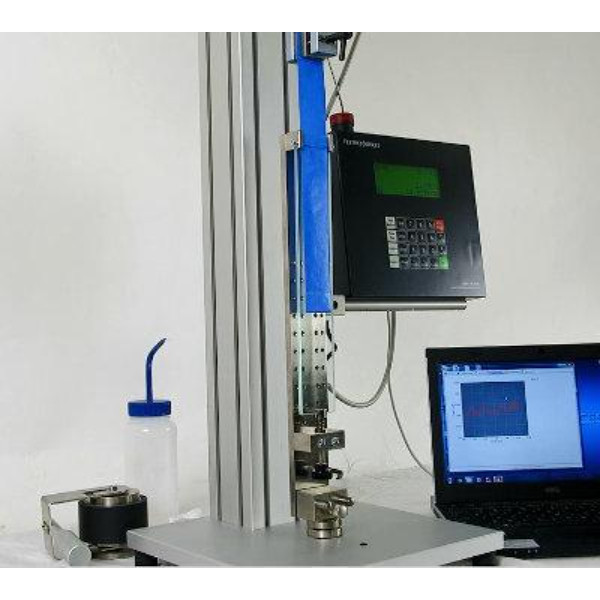
An ASTM D903 180 Degree Peel Test 100 Series Peel Tester is recommended for ASTM D903. The 100-250 consists of a vertical load frame, an electromechanical actuator, load cell, a test controller, test software and peel grips. For ASTM D903, we would configure a small capacity load cell (10 or 25 pound) for this low force peel test. Our load cells measure loads accurately (+/- 0.5% of reading) from full scale rating to 1% of FS. A 10 lb load cell can be calibrated to measure 0.1 lb (0.5N) to an accuracy of 0.0005 lb.
The peel plot will be an important aspect of data retrieval and therefore we highly recommend our Newton software. If you would rather see the data in real-time and study the peel interface at the same time, we would provide you with our Newton Software.
ASTM D903 Peel Resistance Test Accessories
ASTM D903 requires vice grips to hold the sample in place. We can provide you with our specialized ASTM D903 Peel Test Adhesive Test Grips, designed to test exactly to ASTM D903. We also offer our G240k Mechanical Vice Grips for simple and effective testing. For faster testing results we offer our G240k-P Pneumatic Grips. These pneumatic grips are also helpful in getting the specimen well-aligned in the grips (to avoid the rubbing issue highlighted above) due to the foot activator giving you both hands free to hold the specimen. It is not easy to hold the specimen exactly perpendicular in the grips while you are cranking a manual vice grip.
Give one of our engineers a call today and they can help guide you through the ASTM D903 test process with the best machine configuration for your requirements.
Videos All Videos (1)