
ASTM
ASTM International is a non-profit international standards organization founded in 1898 that creates and publishes technical standards for many different products, materials and systems. ASTM has over 12,000 standards that operate around the world.
Why Use a Standard Test Method?
Testing per ASTM is performed for multiple reasons including engineering design and development, confirmation of internal quality assurance, comparison of materials, and to provide a path for first time test developers with a supported standard.
Can't find what you are looking for? Just ask! There are so many standards that we can't list them all. Let us help you find a solution for your standard test method.

- astm d642
- astm e606
- astm d413

- astm d395

- astm e399

- astm f1147
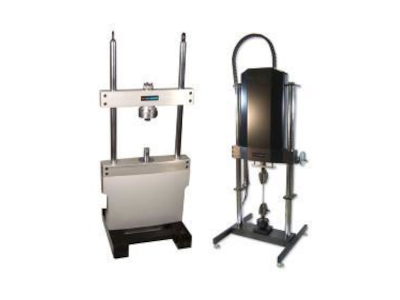
- astm d5992
- astm d6637

- astm d6195
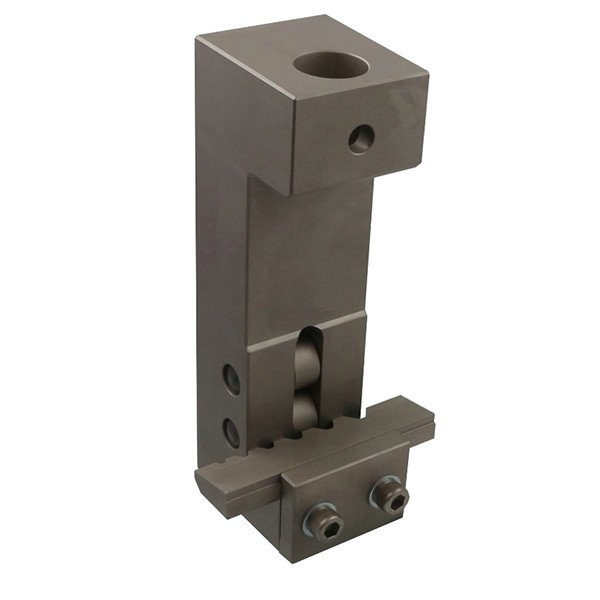
- astm a1064
- astm d4846
- astm f2255
Need Help?
Talk to one of our Application Engineers to help you find the right solution for your test applications
Engineered Solutions
Not finding what you are looking for? Check out our Engineered Solution Gallery
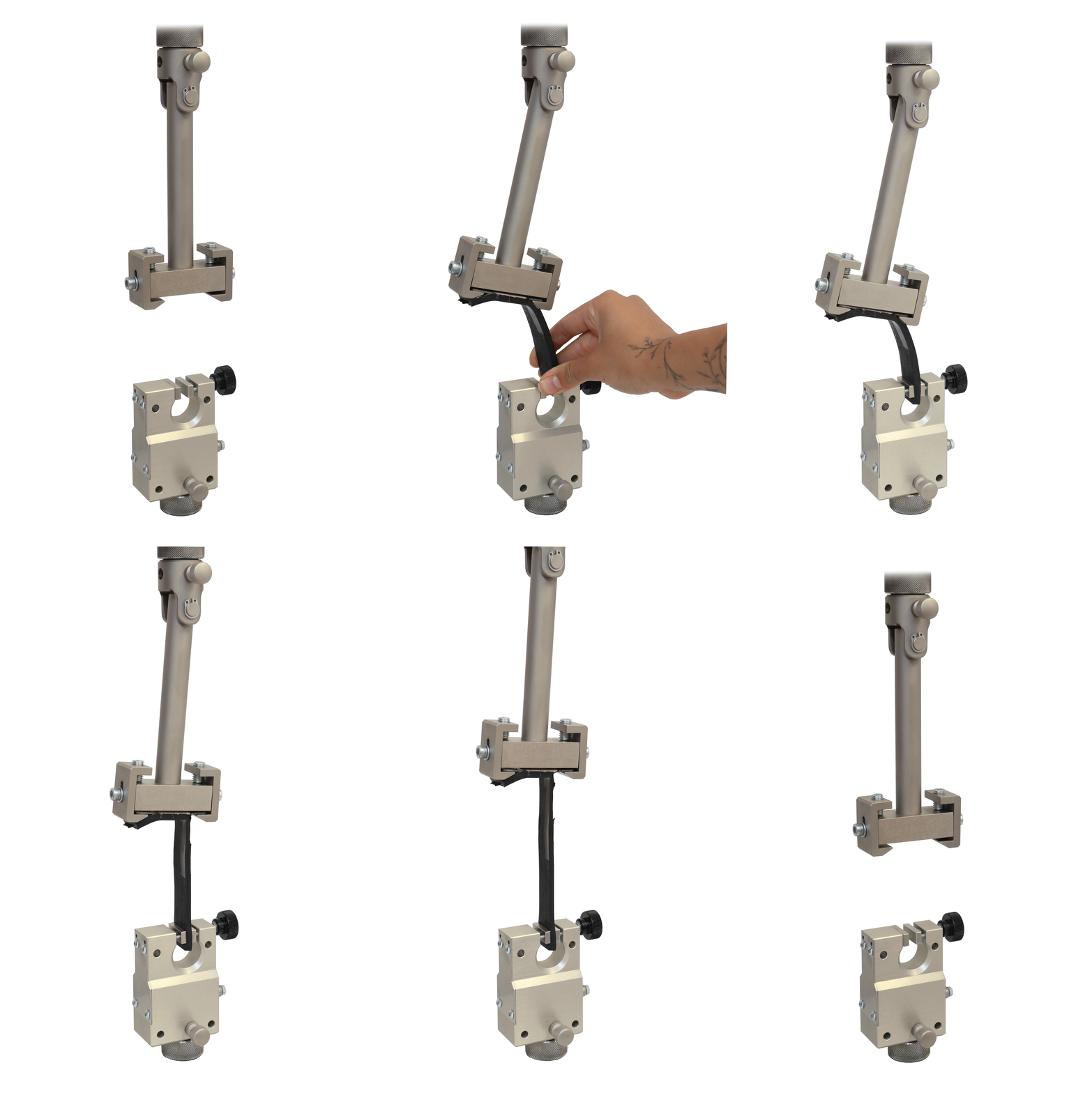
An application expert will also help you with:
If you know exactly what you want:
- Confirm your selection
- Discuss options: grips, accessories and controls packages
- Confirm delivery
- Provide budgetary price or quotation
- Confirm machine specifications
- Setup Online Demo of Controller
If you're new to testing or don’t know what you need:
- Confirm or help you develop your test plan
- Walk through machine specifications
- Recommend appropriate grips and fixtures
- Compare machines and options
- Provide budgetary pricing for various options
If you need something you don’t see on our website?
- Help you locate the product you need or scope the degree of customization required: tweak an existing design to start from scratch new design
- Provide price and delivery estimates

When you work with us, you get the best engineers to solve your testing and budgetary challenges. Whether you’re new to testing or a testing expert yourself, we can help you optimize your system AND YOUR BUDGET.
Contact us and see for yourself why TestResources is the best choice for your testing needs!