EN 455-2 Physical Properties Testing of Medical Gloves

Medical gloves are tested to ensure they have a high level of resistance to penetration by sharp objects, chemicals, bacteria, viruses, fungi, etc., as well as being comfortable enough so they do not interfere with normal hand function.
EN 455-2 specifies the tensile test requirements of single-use medical gloves. The material tensile strength and elongation are important measures of a glove’s quality and performance. Different glove materials require different force at break requirements to ensure an acceptable performance.
| Type | Force at Break |
| Surgical Gloves | 9 N |
| Examination Gloves | 6 N |
| Thermoplastic Gloves | 3.6 N |
Why is Glove Testing Important?
Glove testing is a crucial process that ensures the safety and efficacy of medical gloves, which are vital components of personal protective equipment in healthcare environments. By adhering to standards like EN 455-2, glove testing helps to verify that the gloves can withstand the physical demands of medical procedures, protecting both patient and healthcare professionals from potential hazards. Testing also ensures that gloves provide an adequate level of puncture resistance and tensile strength, which are essential for maintaining a sterile environment and preventing cross contamination. These tests are critical for compliance and certification, providing assurance that the gloves meet the necessary performance standards for medical applications.
What Is EN 455-2?
EN 455-2 is a critical component of the EN 455 series, which sets the standards for single-use medical gloves. This particular standard focuses on the physical properties of these gloves, ensuring they meet stringent criteria for tensile strength, elongation, and dimensions. The primary aim of EN 455-2 is to guarantee that medical gloves provide a high level of protection and reliability during use, safeguarding both healthcare professionals and patients.
The EN 455-2 standard is essential in the medical field as it outlines the necessary physical characteristics that medical gloves must possess to perform effectively in various healthcare settings. These gloves are crucial in minimizing the risk of cross-contamination and maintaining a sterile environment during medical procedures. By adhering to the EN 455-2 requirements, manufacturers ensure that their gloves are durable, flexible, and resistant to punctures, thus offering optimal protection against biological and chemical hazards.
Compliance with EN 455-2 involves rigorous testing methods to evaluate the gloves' tensile strength, force at break, and elongation properties. These tests are conducted using specialized equipment to ensure precise and accurate measurements. The results are then compared against established benchmarks to determine compliance with the standard, ensuring that only gloves meeting the highest performance standards are approved for medical use.
Overall, EN 455-2 plays a pivotal role in the healthcare industry by setting the benchmarks for the quality and safety of medical gloves. It ensures that gloves are capable of withstanding the physical demands of medical applications while providing comfort and protection for the user. By choosing EN 455-2 compliant gloves, healthcare providers can be confident in the safety and efficacy of their protective equipment.
Overview of the EN 455-2 Standard
The EN 455-2 standard is a cornerstone in the realm of medical gloves, ensuring that these essential items meet rigorous quality and safety criteria. Part of the broader EN 455 series, this specific standard focuses on the physical properties of single-use medical gloves. Its primary objective is to define and enforce parameters that ensure these disposable gloves provide high resistance to penetration while maintaining comfort for normal hand function.
The EN 455 standard comprises multiple parts, each addressing different aspects of medical glove performance. EN 455-2, in particular, is crucial because it guarantees that gloves can withstand the physical demands of medical procedures without compromising on comfort or safety. High benchmarks for resistance and durability ensure the reliability of medical gloves, protecting healthcare providers and patients.
Key Requirements of EN 455-2
The EN 455-2 standard sets forth stringent requirements for the physical dimensions and tensile strength of medical gloves. These criteria ensure that the gloves perform effectively in various medical scenarios. The standard specifies that gloves must meet minimum tensile strength and elongation benchmarks, which are critical indicators of their durability and flexibility. Additionally, puncture resistance is tested to evaluate the force required to puncture the gloves, ensuring user protection during medical procedures.
Material tensile strength and elongation are pivotal aspects of EN 455-2. The standard outlines specific performance criteria, such as force at break, to assess the durability of the gloves. This involves measuring the force the glove material can withstand before breaking, ensuring they handle the physical stresses encountered during medical use. The results from these tests are compared against established benchmarks to evaluate compliance with the standard.
Testing methods under EN 455-2 are designed to assess various physical properties of the gloves, including tensile strength and elongation. These tests provide a comprehensive evaluation of the gloves’ performance, ensuring that they meet the high standards required for medical applications. Adhering to these rigorous testing protocols ensures that gloves provide adequate protection and functionality in healthcare settings.
Test Machines
Testing medical gloves to ensure compliance with the EN 455-2 standard requires specialized equipment. The testing machines used in these evaluations are designed to accurately measure the physical properties of the gloves, such as tensile strength and force at break. These machines must be capable of applying precise loads and measuring the gloves’ response to ensure that they meet the defined criteria.
Proper preparation of the test specimen is critical for achieving accurate and consistent results. This involves using special cutting dies to prepare glove samples that meet the specific dimensions required by the EN 455-2 standard. Ensuring uniformity in the test specimens allows the testing machines to provide reliable data that accurately reflects the gloves’ performance.
Regular calibration of the test equipment is also necessary to maintain the accuracy and reliability of the testing process.
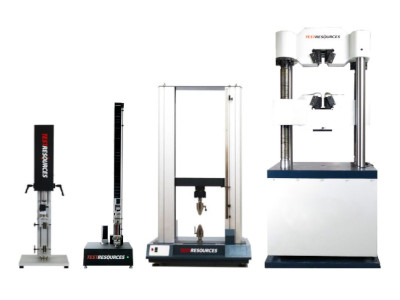
Tensile Test Machines
Get the Highest Value Tensile Testers
Choose form 38 different models and two different technologies with 100's of configurations which allows you to optimize your testing capabilities and pick exactly what you need.
Tensile Test MachinesTest Accessories
Testing medical gloves requires a range of accessories to ensure accurate and reliable results. These accessories must comply with various standards based on their intended use and the protection claims of the gloves. For instance, procedure gloves and examination gloves must meet specific requirements for size and force at break. The water tightness test for medical gloves follows specific acceptance quality limits (AQL) depending on the type of glove being tested.
Moreover, medical gloves intended for surgical use are classified as Medical Device Class IIa, which necessitates certification by a notified body. This classification underscores the importance of rigorous testing and certification processes to ensure that the gloves provide the necessary protection during surgical procedures.
Compliance with standards like EN ISO 10993 for biological evaluation ensures that the gloves are safe for use in medical settings.
We recommend our DIN EN 455 Test Fixture | GEN455-7
Tensile Strength
Tensile strength is a critical measure of glove performance, reflecting the material’s ability to withstand stretching before breaking. This property is quantified through tests that measure the force needed to stretch and ultimately break the glove material. Evaluating tensile strength ensures that the gloves are durable and capable of handling the physical demands of medical procedures.
The tensile strength requirements vary depending on the glove materials require. For instance, natural rubber latex and nitrile gloves must withstand a force of 6 Newtons, while vinyl or synthetic variants require a minimum of 3.6 Newtons. Standardized tests provide a reliable measure of gloves’ resistance to stretching and breaking, ensuring they maintain their integrity during use.
Force at Break
The force at break is another crucial measure of glove durability, indicating the amount of force a glove can withstand before breaking. Different types of gloves, such as surgical and examination gloves, have specific force at break requirements outlined in the EN 455-2 standard.
For example, surgical gloves must endure a force of 9 Newtons, while examination gloves require at least 6 Newtons. These requirements ensure that the gloves withstand the rigors of medical use without compromising safety and functionality.
Dimensions and Sizing
Proper glove dimensions and sizing are critical to ensure a secure fit, impacting both functionality and safety in medical applications. The EN 455-2 standard outlines specific median length and width measurements for various glove sizes, ensuring proper fit and functionality. Proper fit and comfort significantly reduce risks during medical procedures.
Standardized glove dimensions are crucial to ensure proper fit, with examination gloves sized from XS to XL and surgical gloves having specific predetermined sizes. Accurate glove sizing is essential for safety and effectiveness during medical procedures.
Testing Methods for EN 455-2 Compliance
The EN 455-2 standard sets specific methods for testing gloves to ensure they meet defined criteria for comfort and performance. These testing methods include evaluating the physical properties of the gloves, such as tensile strength and dimensions. Additionally, the standard addresses the regulatory standards and testing requirements for powder-free gloves, focusing on acceptable levels of powder and other materials. The standard specifies various tests tailored to the glove type and material used.
Test specimens must be cut to specific dimensions to ensure uniformity during testing. Special cutting dies are required for preparing glove samples to ensure they meet EN 455-2 specifications. Standardized procedures are crucial for achieving reliable and consistent results.
Test Specimen Preparation
Proper test specimen preparation, involving cutting the glove material into specific dimensions using special cutting dies, is crucial for accurate and consistent testing results. Calibration of the test equipment should be performed regularly to maintain testing accuracy.
The testing machine used must have a load capacity that allows for accurate measurement without exceeding the anticipated maximum load. Adhering to these preparation protocols ensures that the test results are reliable and reflective of the gloves’ true performance.
Crosshead Speed and Testing Procedures
The recommended crosshead speed for testing medical gloves is 500 mm/min. This parameter significantly impacts the outcome of the testing process, as it influences the force applied to the glove material. A high travel universal test machine is the recommended equipment for conducting these tests, ensuring precise and consistent measurements.
Evaluating Results
Evaluating the results of the tests and test measures is a critical step in determining compliance with the EN 455-2 standard. This involves comparing the test results against the established performance criteria, such as tensile strength and force at break. Meeting the specified performance standards in the test method determines compliance.
Each glove type is evaluated against these criteria to ensure they meet safety and quality requirements. A comprehensive report outlines the test findings and compliance status for each glove batch. This process ensures that only gloves meeting rigorous standards are approved for medical use.
Get a Complete Test System for Your Test Application
Completing your material test system is easy. Simply start by choosing a test machine, choose your accessories, and select your controller software. We are your one-stop shop for all your application testing needs.
Request a QuoteImportance of EN 455-2 in Medical Applications
The EN 455-2 standard is crucial for ensuring that medical gloves offer significant resistance to penetration from various hazards, including chemicals and pathogens. Compliance with this standard minimizes health risks associated with medical glove use through rigorous testing methods.
Medical gloves are assessed for their ability to withstand penetration from various hazards, providing sufficient protection against contamination for healthcare providers and patients. The standard requires gloves to maintain their integrity and performance even after aging processes.
Resistance test methods are conducted before and after aging to confirm gloves can withstand various usage conditions.
Compliance and Certification
Medical gloves must comply with the EN 455-2 standard to ensure high-quality, reliable products. Compliance with EN 455-2 involves meeting specific standards for physical properties like tensile strength and dimensions. Manufacturers must undergo rigorous testing and certification processes, often facilitated by certified bodies like Eurofins Textile Testing Spain, to achieve this.
Medical gloves meeting these standards receive CE-marking, indicating compliance with EU regulations and suitability for sale within the European market. This certification assures healthcare professionals and patients that the gloves meet stringent requirements for safe medical use.
Impact on Healthcare Professionals and Patients
For healthcare professionals, the compliance of gloves with EN 455-2 is paramount. These professionals rely on medical gloves to reduce the risk of exposure to harmful pathogens during medical procedures. Properly tested gloves enhance overall safety, protecting both healthcare workers and patients from potential contamination.
Gloves meeting the EN 455-2 standard are crucial in preventing the spread of infections, providing a reliable protective barrier essential for a safe healthcare environment. The standard also ensures that gloves are comfortable and usable, which is vital for healthcare professionals who often wear them for extended periods.
Evaluating gloves for appropriate risk factors in healthcare environments before selection further enhances safety.
Important Considerations When Selecting EN 455-2 Test Machine
-
The test machine load capacity needs to measure load accurately. The load cell needs to be selected to be less than the maximum load anticipated (e.g. 25 N or less).
-
The load frame must be capable of stretching the full extension of the test. Assume that the load frame must be capable of a minimum of 750 mm of sample travel. The test machine must be capable of a speed of at least 500 mm per min (20 inches per minute) - a higher return speed ensures better throughput rate.
-
Your test machine should be configured with a load cell appropriate for the strength of the sample under test, with jaws that firmly grip but do not damage the test specimen and with a crosshead speed of 500 mm/min.
-
Special EN 455-2 sample cutting dies are needed.
-
The controller software ought to be straightforward and easy to use. Analysis and reporting requirements include peak load, tensile stress (or tension,), tensile strength, yield point, ultimate elongation. We recommend our Newton Software
Medical Glove Test Machine
We recommend using our high travel universal test machine for testing medical gloves. Your extensometer should be equipped with a load cell appropriate for the strength of the sample under test, with jaws that firmly grip but do not damage the test specimen and with a crosshead speed of 500 mm/min.
If you are in need of a medical glove test machine or any other type of PPE test machine, contact us. We have a wide range of test machines, accessories and software to ensure you get the right solution for your test.
Frequently Asked Questions
The EN 455-2 standard delineates the physical properties required for single-use medical gloves, ensuring they offer appropriate resistance to penetration and comfort for normal hand functionality.
Tensile strength is essential for medical gloves because it indicates their durability and ability to endure stretching without breaking, which is vital for the demands of medical procedures. High tensile strength ensures the gloves provide reliable protection during use.
Gloves are tested for EN 455-2 compliance using specialized machines to measure physical properties, including tensile strength and force at break, with results compared to established benchmarks. This ensures that the gloves meet safety and performance standards.
Surgical gloves must withstand a force of 9 Newtons, whereas examination gloves require a minimum of 6 Newtons. These specifications are crucial for maintaining safety in medical applications.
Specialized Test Machines

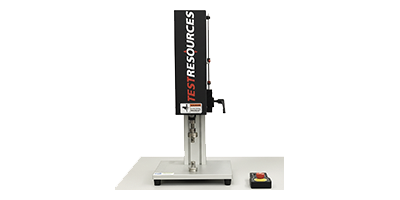
Static Universal
Static and Dynamic