
Tensile Testing Rubber | ASTM D412 & ISO 37

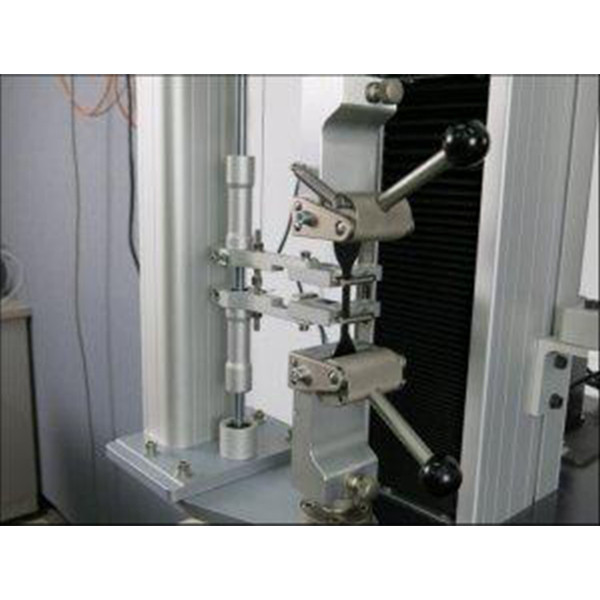
ASTM D412 and ISO 37 are both widely recognized tensile test methods designed to evaluate the stress-strain characteristics of various rubber materials, including natural rubber, synthetic rubber, silicone rubber, and thermoplastic elastomers (TPEs). While both standards aim to determine the tensile properties of rubber and elastomers, they differ in their specific methodologies and applications.
ASTM D412 is divided into two distinct methods: Method A and Method B. Method A is primarily used for vulcanized rubber and TPE dumbbell-shaped samples, providing a comprehensive analysis of their tensile properties. Method B, on the other hand, focuses on cut ring specimens, which are different from the dogbone specimens used in Method A. This method is specifically tailored for testing rubber rings, offering insights into their unique tensile behavior.
ISO 37, while similar in its objective, follows a slightly different approach in testing procedures and specimen preparation. It emphasizes the importance of maintaining specimen geometry and uniform cross-section to ensure accurate and reliable test results. ISO 37 is often preferred in international contexts, providing a globally accepted framework for tensile testing of rubber materials.
By understanding the differences and similarities between ASTM D412 and ISO 37, you can select the most appropriate standard for your specific testing needs, ensuring you obtain comparable results that meet the necessary performance and quality standards for your rubber products.
Understanding Tensile Strength
Tensile strength is a pivotal mechanical property of rubber materials, defining the maximum stress a material can endure before it breaks or deforms permanently under tension. This characteristic is essential for assessing the performance and durability of rubber products, especially in applications where they are subjected to significant tension. The tensile strength of rubber is influenced by its chemical composition, molecular weight, and cross-link density. By understanding these factors, manufacturers can predict how rubber materials will behave under various conditions, ensuring they meet the necessary performance standards for their intended applications.
Mechanical Properties of Rubber
Rubber materials are renowned for their unique mechanical properties, which make them ideal for a broad range of applications. These properties include tensile strength, elongation at break, modulus of elasticity, and Poisson’s ratio. Each of these properties is influenced by the rubber’s chemical composition, molecular weight, and cross-link density. Material properties refer to the intrinsic characteristics of rubber, such as its chemical makeup and molecular structure. In contrast, mechanical properties describe how rubber behaves under different conditions, such as stress, strain, and temperature. Understanding these properties is crucial for selecting the right rubber material for specific applications, ensuring optimal performance and longevity.
Tensile Testing Standards
Tensile testing standards, like ASTM D412 and ISO 37, provide a structured approach to evaluating the tensile properties of rubber materials. These standards outline the test procedure, specimen preparation, and equipment requirements necessary for conducting tensile tests. By adhering to these guidelines, manufacturers can obtain comparable results, ensuring the quality and reliability of their rubber products. Tensile testing standards are particularly vital in industries where safety and performance are paramount, as they help maintain consistency and accuracy in testing, ultimately leading to better product quality and customer satisfaction.
Test Specimen Preparation and Equipment
Proper test specimen preparation is a cornerstone of accurate tensile testing. This involves ensuring that specimens are meticulously crafted to meet specified dimensions, maintaining a uniform cross section and overall length, and are free from any defects or irregularities that could affect the results. The integrity of the specimen is paramount, as even minor imperfections can lead to substantial effects on the test outcomes.
Once the specimens are prepared, the testing machine must be carefully calibrated to ensure precision in measurements. This includes setting up the machine with the appropriate fixtures, such as grips and extensometers, which are crucial for handling specimens correctly. Pneumatic air grips with serrated or rubber-coated faces are often used to maintain a constant gripping force, preventing slippage as the specimens elongate. Self-tightening grips, like roller grips, are also suitable for this purpose.
Mounting the specimen in the testing machine in a specified manner is critical. This involves aligning the specimen accurately to avoid any misalignment that could skew the results. The test procedure must be followed meticulously, adhering to the guidelines set by standards like ASTM D412. This ensures that the measurements of force, elongation, and other tensile properties are precise and reliable.
By conducting the tests in this specified manner, manufacturers can obtain comparable results that provide valuable insights into the material properties of the rubber. These insights are essential for determining the suitability of rubber materials for various applications, ensuring they meet the necessary performance and quality standards. Ultimately, proper specimen preparation and adherence to testing protocols are vital for the advancement and reliability of rubber products in the industry.
Tensile Testing Procedure
The tensile testing procedure involves a systematic approach to evaluating the tensile properties of rubber materials. This comprehensive process begins with the careful preparation of the rubber specimen, ensuring it meets the specified dimensions and is free from any defects that could affect the outcome. Once prepared, the specimen is mounted in the testing machine with precision, using appropriate grips to hold it securely in place. This step is crucial to prevent any slippage during the test, which could lead to inaccurate results.
The next phase involves applying a specified force or displacement to the specimen. This is done at a controlled rate, as outlined by standards like ASTM D412, to ensure consistency across tests. As the force is applied, the specimen is stretched until it either breaks or deforms permanently. Throughout this process, critical data such as the force exerted and the elongation of the specimen are meticulously measured.
Interpreting these measurements is a vital component of the tensile testing procedure. The data collected provides insights into the tensile strength and other mechanical properties of the rubber material, such as ultimate elongation and tensile set. These insights are essential for manufacturers to determine the material's suitability for specific applications, ensuring it can withstand the demands it will face in real-world conditions.
How to Select a Rubber Tensile Tester
Choosing the right rubber tensile tester is an important step in ensuring accurate and reliable testing of rubber materials. The selection process involves several key considerations that can substantially impact the quality of the test results and, ultimately, the performance of the rubber products.
First and foremost, it's essential to identify the specific requirements of the testing application. This includes understanding the type of rubber material to be tested, such as natural rubber, synthetic rubber, or thermoplastic elastomers (TPEs), as well as the expected range of tensile properties like tensile strength, elongation, and modulus of elasticity. Different types of rubber may require different testing approaches, so selecting a tester that can accommodate the material's unique characteristics is crucial.
Next, consider the testing standards that need to be adhered to, such as ASTM D412 or ISO 37. These standards provide guidelines on the test procedure, specimen preparation, and equipment specifications. Ensuring that the tensile tester is compatible with these standards will help obtain comparable results and maintain consistency in testing.
The choice of grips and fixtures is another vital aspect of selecting a tensile tester. Pneumatic grips with serrated or rubber-coated faces are commonly used to provide a constant gripping force, preventing slippage during testing. Self-tightening grips, like roller grips, can also be suitable for certain applications. It's important to choose grips that can securely hold the specimens without causing damage or affecting the test outcomes.
Additionally, consider the capabilities of the testing machine, such as its load capacity, speed control, and data acquisition systems. A machine with high-speed servo-control technology can ensure a constant rate of extension, which is particularly important for testing rubber. The ability to accurately measure force and elongation is essential for obtaining precise data on the material's tensile properties.
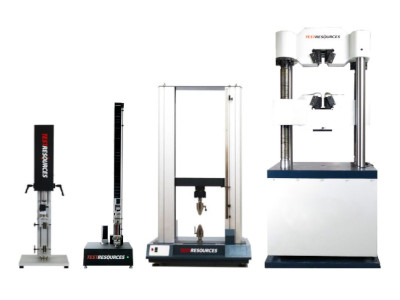
Tensile Test Machines
Get the Highest Value Tensile Testers
Choose form 38 different models and two different technologies with 100's of configurations which allows you to optimize your testing capabilities and pick exactly what you need.
Select Tensile Test MachinesRubber Tensile Testing FAQs
What is tensile strength in rubber?
Tensile strength in rubber refers to the maximum amount of tensile stress that a rubber material can withstand before breaking or deforming permanently. It is a critical mechanical property used to assess the durability and performance of rubber products under tension.
Why is tensile testing important for rubber materials?
Tensile testing is vital for rubber materials as it helps determine their tensile properties, such as tensile strength, elongation at break, and modulus of elasticity. These properties are essential for predicting how rubber will perform in real-world applications, ensuring it meets necessary performance and quality standards.
What are the standard methods for testing tensile strength in rubber?
The standard methods for testing tensile strength in rubber include ASTM D412 and ISO 37. These standards provide guidelines for the test procedure, specimen preparation, and equipment requirements, ensuring consistent and comparable results across different tests.
How do you prepare a rubber specimen for tensile testing?
Preparing a rubber specimen for tensile testing involves ensuring it meets specified dimensions, maintaining a uniform cross-section, and being free from any defects or irregularities. Proper specimen preparation is crucial for obtaining accurate and reliable test results.
What equipment is used for rubber tensile testing?
Rubber tensile testing requires a testing machine equipped with appropriate grips and fixtures to hold the specimen securely. Pneumatic air grips with serrated or rubber-coated faces are commonly used, along with self-tightening grips like roller grips, to prevent slippage during testing.
Can tensile testing help in quality control of rubber products?
Yes, tensile testing is an essential component of quality control for rubber products. It provides valuable insights into the material properties, ensuring the products meet the necessary performance criteria and maintaining high standards in production.
What are the challenges in tensile testing of rubber?
Challenges in tensile testing of rubber include ensuring accurate specimen preparation, preventing slippage during testing, and maintaining precise control over the testing machine's load and speed. Overcoming these challenges is crucial for obtaining reliable and repeatable test results.
How do different types of rubber vary in tensile strength?
Different types of rubber, such as natural rubber, synthetic rubber, and thermoplastic elastomers, vary in tensile strength due to differences in their chemical composition and material properties. Understanding these variations is key to selecting the right rubber for specific applications.
What role does temperature play in tensile testing of rubber?
Temperature can have substantial effects on the tensile properties of rubber. It is essential to conduct tensile testing under controlled temperature conditions to ensure accurate and consistent results, as fluctuations can lead to variations in material behavior.
