
Thermoplastic & Thermoset Plastics Tensile Testing
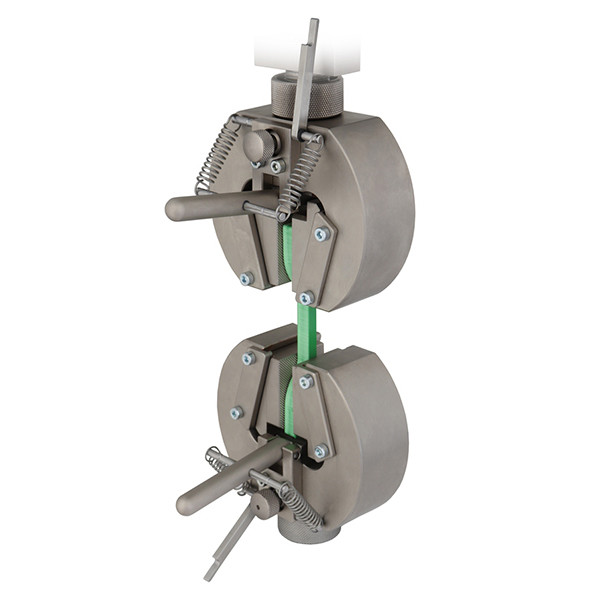
Plastics can be broken into two categories: thermoplastics, and thermosetting polymers. The defining characteristic of thermoplastics is that they do not experience a change in their chemical composition when heated. When thermoplastic polymers are heated above the glass transition temperature the material becomes soft and rubber-like. At cooler temperatures the thermoplastic material is more rigid. This allows thermoplastics to be heated and molded many times. Alternatively, thermosetting polymers get their rigidity from an irreversible chemical reaction.
The chemicals that are used to create thermoset plastics cannot be heated and separated. Some common thermosetting polymers include polyethylene, polypropylene, polystyrene, polyvinyl chloride, and polytetrafluoroethylene (PTFE). The most common uses for thermosetting polymers are epoxy and molds like those used in semiconductors and integrated circuits.
What Is the Tensile Strength of Plastic?
Tensile tests of thermoplastics and thermosetting polymers are done to determine mechanical material properties. Plastic tensile tests are done to determine the tensile strength, elongation, failure characteristics, modulus of elasticity, secant modulus, and Poisson’s ratio.
How Do You Measure the Tensile Strength of Plastic?
Tensile test machines, also known as tension test machines, are universal testing machines that can be specially configured for a wide range of thermoplastic and thermosetting material testing applications. Data output for plastic tensile test include stress strain charts, and analysis for tensile yield, tensile breaking strength, tensile percent elongation at yield, tensile break elongation, nominal strain at break, and modulus of elasticity. Thermoplastic and Thermosetting Plastic Tensile Test Machines & Equipment TestResources has a variety of modular plastic tensile testing machines. These plastic tensile testers are designed and assembled for each testing application.
Applicable Testing Standards
ASTM and ISO have a number of tensile testing standards that are related to thermoplastic and thermosetting polymers. The two most common testing standards for plastic tensile testing are ASTM D638 and ISO 527. ASTM D638 and ISO 527 both use a dumbbell (aka dog-bone) specimen that is pulled to failure with a tensile testing machine. These standards are very similar in their testing procedures; however there are a few technical differences that differentiate the two standards. The most significant difference between ASTM D638 and ISO 527 is the method for determining the Tensile Modulus of Elasticity of the plastic specimen, and ISO 527 requires pre-stress of the plastic and ASTM D638 does not. Other ASTM and ISO plastic testing standards are listed below.
