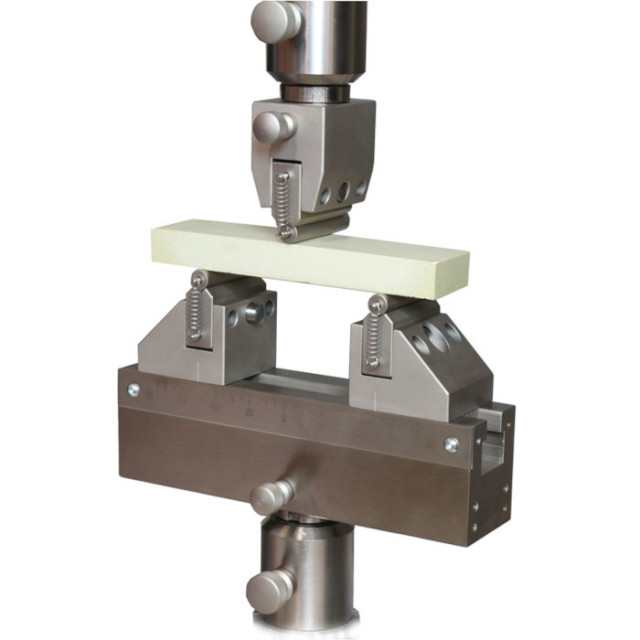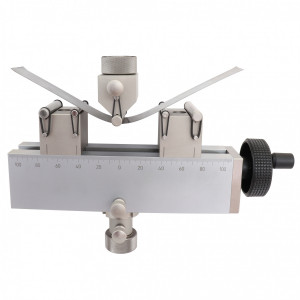
The three-point bending flexural test measures a material’s resistance to bending forces by applying load at the midpoint of a beam supported at both ends. It’s essential for determining the flexural strength and stiffness of materials used in construction, manufacturing, and various engineering applications. This article explores the test’s importance, specimen setup, procedure, relevant standards, and how to interpret the results effectively.
Key Takeaways
-
The three-point flexural test measures the flexural properties of materials by applying a load at the midpoint of a supported beam, providing insights into flexural strength, stiffness, and deformation resistance.
-
This test is standardized under ASTM D790 and ISO 178, ensuring consistency and reliability in results across various materials like plastics, composites, and metals.
-
Key advantages of the test include its simplicity and cost-effectiveness, though limitations such as surface machining effects and specimen flaw distribution can influence the accuracy of the results.
Understanding the Three-Point Flexural Test
The three-point flexural test is a technique used to determine the flexural properties of materials. This testing method measures the force required to bend a beam and its resistance to flexing, providing critical information about the material’s behavior under load. Applying a load at the midpoint of a beam supported at its ends allows the test to evaluate the material’s response to deformation, providing insights into its flexural strength, stiffness, and overall performance under bending forces.
One of the significant advantages of the three-point bending flexural test is its simplicity. The specimen geometry is straightforward, and the preparation process is cost-effective, making it accessible for a wide range of applications. This test can also adapt to high-temperature measurements, broadening its utility further.
Flexural tests commonly use three-point and four-point loading configurations, with the three-point bend test being the most popular due to its ease of setup and execution.
Three-Point Bending Test Specimen
The test specimen for the three-point flexural test is typically a rectangular beam, chosen for its uniform stress distribution during testing. This straightforward geometry simplifies the specimen preparation process, making it easier and more cost-effective compared to other mechanical testing methods. The straightforward specimen preparation is a major benefit of the three-point bend test, enabling quick and efficient testing without compromising accuracy.
During the test, the specimen is placed on two supporting pins, with the load applied at the midpoint. This setup ensures that the material experiences both tensile and compressive stresses, providing a comprehensive understanding of its flexural properties. The rectangular cross-section of the specimen helps in achieving a uniform distribution of stress across the material, making it an ideal choice for flexural tests.
The Role of the Universal Testing Machine
A universal testing machine (UTM) is essential for conducting the three-point bending flexural test. This versatile equipment is capable of performing both tensile and flexural tests, making it a valuable tool for evaluating various material properties. The UTM provides precise control over the applied load and loading rate, important for obtaining accurate and reliable test results.
Accurate alignment of the supports and the loading die is essential to avoid angular errors that could affect the results. Any misalignment can lead to inaccurate stress and strain measurements, compromising the integrity of the data. Careful calibration and alignment of the universal testing machine are necessary to subject the test specimen to the correct loading conditions.
Key Parameters: Flexural Stress and Strain
Flexural stress and strain are crucial parameters measured during the three-point bending flexural test. Flexural stress is defined as the stress experienced by a material when subjected to bending forces, while flexural strain measures the extent of deformation under these forces. The test setup generates a combination of tensile and compressive stresses throughout the material, providing a comprehensive understanding of its flexural properties.
The specific loading conditions of the tensile test influence the resulting stress distribution in the material. In a bending test, the material’s outer fibers experience maximum tensile stress, while the inner fibers are subjected to compressive stresses.
This combination of stresses allows for evaluating the material’s bending strength, stiffness, and resistance to deformation, making the three-point bend test essential for assessing flexural properties.
Test Procedure and Standards
The three-point bend test is standardized under ASTM D790 and ISO 178, ensuring consistency and reliability in the results. A standard test method in material testing provides a uniform framework for conducting tests, enabling the comparison of results across different studies and applications. These standards outline specific procedures for setting up the test, performing the test, and analyzing the results, ensuring that the data obtained is accurate and reproducible.
ASTM D790 and ISO 178 focus on the determination of flexural properties of various materials, including plastics, composites, and metals. Adhering to these standards ensures that testing methods align with industry best practices, leading to more reliable and meaningful results.
Setting Up The Test Arrangement
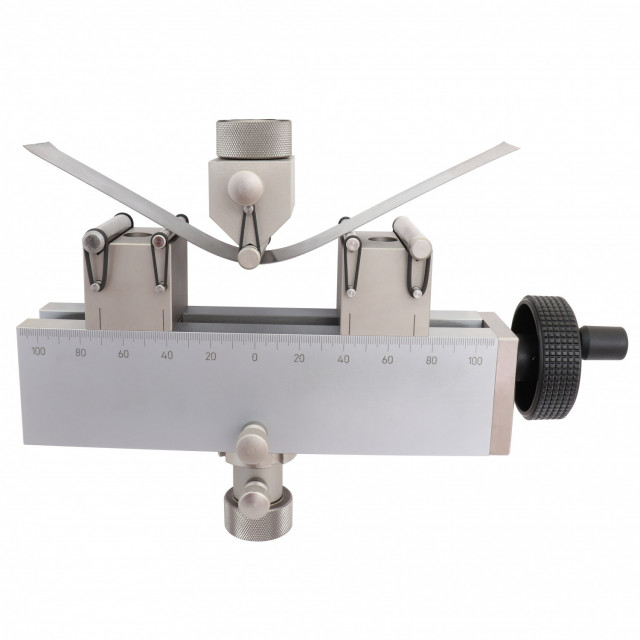
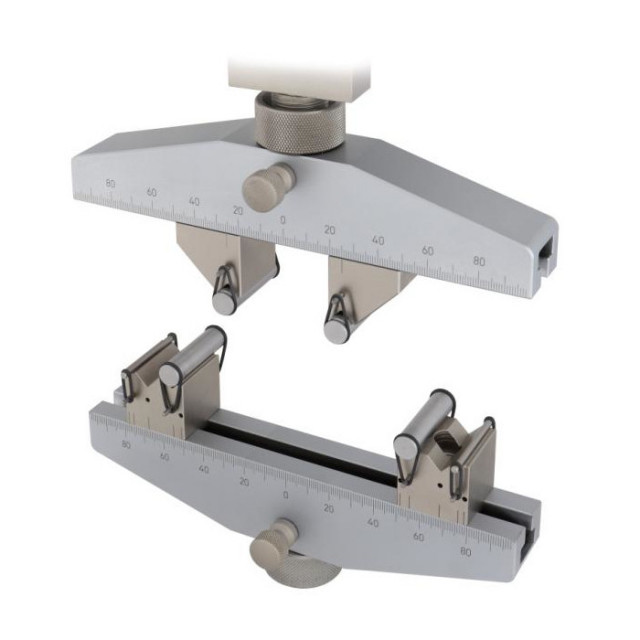
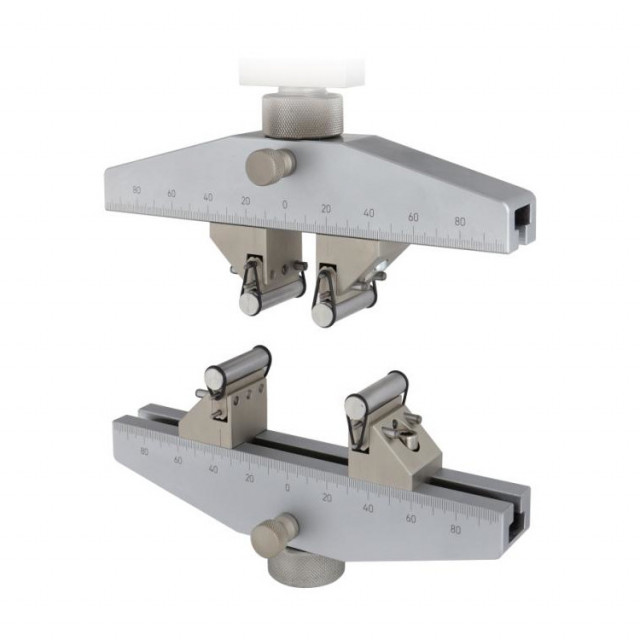
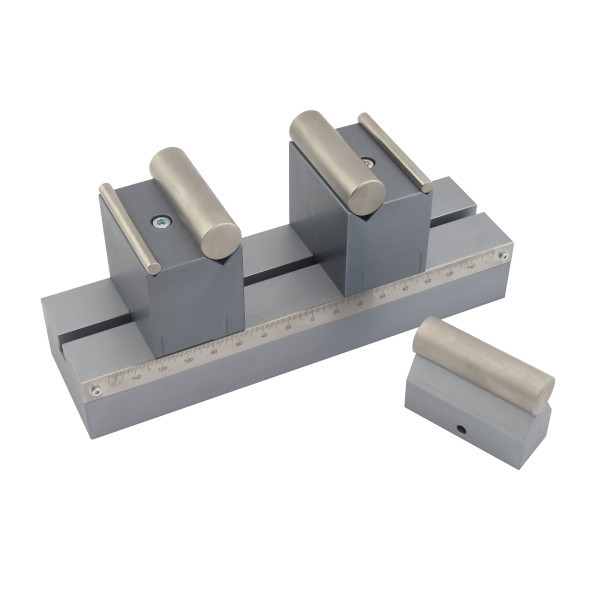
Setting up the test arrangement involves positioning two parallel supports and a centrally located loading edge. The supports must be placed at a specified distance apart, known as the support span, determined based on the material and desired test parameters. Proper alignment of the supports and the loading edge ensures that the load is applied uniformly, avoiding angular errors that could affect the test results.
The test specimen is placed on the two supports, and the load is applied at the midpoint using the loading edge. This setup creates a bending moment in the specimen, generating both tensile and compressive stresses. This simple arrangement makes the three-point bending test a popular choice for evaluating the flexural properties of materials.
Performing the Test
Performing the test involves applying a load at a constant rate to the midpoint of the test specimen until failure or until it reaches the specified deflection limit. The load is applied using a universal testing machine, which ensures precise control over the rate of loading and the total load applied. Deflection is measured using a strain gauge or by directly measuring the deflection of the test specimen.
A load vs. deflection curve is plotted as the load is applied, representing the material’s response. This curve offers valuable insights into the material’s flexural properties, including its stiffness, strength, and resistance to deformation.
If the specimen does not break, the test continues as far as possible, reporting the stress at 3.5% deflection.
Relevant Standards: ASTM D790 and ISO 178
ASTM D790 and ISO 178 outline standardized procedures for conducting the three-point bending flexural test across various materials. ASTM D790 is primarily used for plastics, while ISO 178 is applicable to a broader range of materials, including composites and metals. Both standards specify key parameters such as support span, speed of loading, and maximum deflection, ensuring accurate and consistent results.
These standards provide detailed guidelines for specimen preparation, test setup, and data analysis, ensuring that the test is conducted in a controlled and reproducible manner. Following these standards allows researchers and engineers to obtain reliable data on the flexural properties of materials, aiding in material selection and design decisions.
Newton Test Controller
From simplified test setups to an intuitive controller software interface and pre-configured methods for industry standards - this innovative technology ensures that your test application are conducted seamlessly and with precision.
Accurate & Repeatable Test Results
- Simple test setup, operation, and reporting
- Flexible and scalable software packages - Get what you need now with room to grow!
- Prebuilt test methods for many of the most common application-specific testing standards
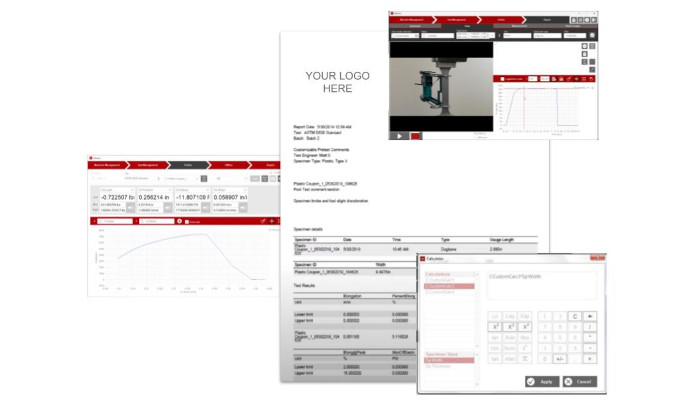
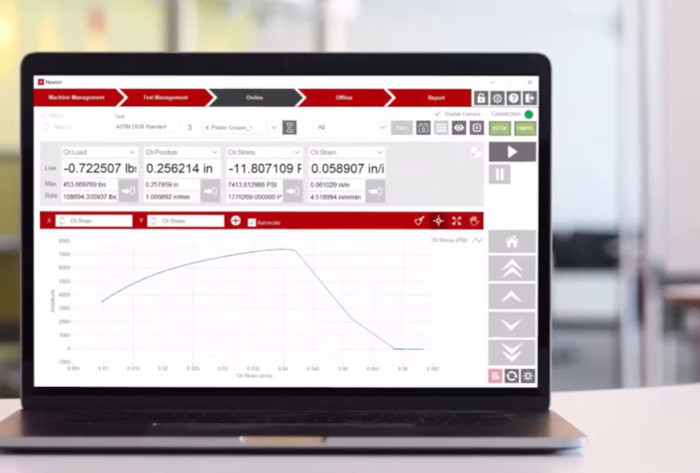
High-performance and easy-to-use controller with logical workflow design
With an intuitive interface, Newton makes it easy for users to navigate through various options and settings, ultimately enhancing the overall user experience. By streamlining complex procedures into user-friendly steps, this software serves both experienced test engineers and beginners alike to conduct tests with confidence and accuracy.
Analyzing Results
Analyzing the results of the three-point bending flexural test provides crucial insights into the material’s behavior under bending forces. Flexural testing evaluates how materials respond to bending, which is crucial for applications where components must support loads without excessive bending. The data obtained from these tests can inform design decisions and material selection, ensuring that the chosen materials meet the required performance criteria.
Flexural strength, a key parameter measured during the test, indicates the material’s ability to withstand bending failure. Understanding flexural strength, stiffness, and other mechanical properties helps engineers predict material performance under real-world loading scenarios, making flexural testing vital in construction, manufacturing, and other industries.
Load Deflection Curve
The load-deflection curve is a crucial component of the test, providing a graphical representation of the material’s response to applied loads. This curve is plotted by measuring the deflection of the test specimen as a function of the applied load, offering insights into the material’s stiffness, strength, and energy absorption capacity. The area under the load-deflection curve represents the mechanical energy consumed by the material during deformation, which is an important factor in evaluating its performance under bending forces.
Flexural modulus, another key parameter, is derived from the initial straight line portion of the load-deflection curve. This modulus indicates the material’s stiffness during initial bending, providing valuable data for applications where minimal deflection is desired.
Flexural strength for thermoplastic materials is determined by the maximum stress that occurs on the outer surface of the flexural test specimen. Strain at that point is also considered in the calculation.
Calculating Flexural Strength and Modulus
Calculating flexural strength and modulus involves analyzing the peak stress and strain experienced by the test specimen during the three-point bending flexural test. Flexural strength is determined based on the maximum stress at the outer surface of the specimen, using the formula σ_f = 3FL / (2bd²) for rectangular cross-sections. This calculation provides insights into the material’s ability to withstand bending forces without failing.
Flexural modulus, which measures the material’s stiffness, is calculated using the formula E_f = (L³m) / (4bd³), where m is the slope of the initial segment of the load-deflection curve. This modulus indicates how much the material can flex before permanent deformation occurs, making it a critical parameter for applications where rigidity and minimal deflection are essential.
Flexural testing for metallic biomaterials also evaluates both the elastic modulus and yield strength, providing comprehensive data on their performance in medical applications.
Understanding Stress Distribution and Strain Rate
Understanding stress distribution and strain rate is crucial for interpreting the results of the test. During the test, the specimen is subjected to a force applied at its midpoint, generating a combination of tensile and compressive stresses within the material. The predominant stresses depend on the loading conditions, with the outer fibers experiencing tensile stress and the inner fibers subjected to compressive stress.
The specimen’s geometry and the strain application rate can significantly influence the test results. Proper specimen preparation ensures that the results accurately reflect the material’s properties, as flaws introduced during preparation can negatively affect the data.
The small effective volume of the specimen can exacerbate the impact of existing flaws, highlighting the need for careful assessment and calibration during testing.
Applications and Material Properties
The three-point bending flexural test is widely used to assess the flexural properties of various materials, providing critical data for different applications. Whether evaluating the bending strength of composite materials, the flexibility of plastics, or the performance of metallic biomaterials, this test plays a crucial role in material selection and design decisions. Understanding how materials behave under bending forces ensures that selected materials meet the specific requirements of their intended application.
Flexural testing determines the load-bearing capacity of materials before they flex, ensuring their suitability for structural and engineering applications. The data obtained from these tests informs decisions in construction, manufacturing, and medical fields, making the three-point bending flexural test an invaluable tool in material science.
Composite Materials
Composite materials, particularly fiber-reinforced composites, benefit greatly from the three-point bending flexural test. ASTM D790 provides specific guidelines for testing these materials, emphasizing the importance of proper specimen preparation to achieve accurate results. The test evaluates the mechanical properties of composites, such as their flexural strength, stiffness, and fracture toughness, which are critical for applications where high performance and durability are required.
Proper specimen preparation ensures that composites are tested under conditions reflecting their intended use, providing reliable data for material selection and design. This is particularly important for applications in aerospace, automotive, and civil engineering, where the mechanical properties of composite materials are crucial for safety and performance.
Plastic Materials
The three-point bending flexural test is particularly effective for evaluating the bending properties of thermoplastics. This testing method helps determine the flexibility and resistance to bending of plastic materials, providing essential data for applications where these properties are critical, such as snap-fit assemblies and other load-bearing components. The test focuses on the material’s bending strength and stiffness, ensuring that the selected plastics can withstand the expected loads without permanent deformation.
Assessing the flexural properties of plastics allows engineers to make informed decisions about their suitability for various applications, ensuring the materials meet the necessary performance criteria. This is especially important in industries like automotive and consumer electronics, where the mechanical properties of plastic components are crucial for product reliability and safety.
Metallic Biomaterials
Flexural testing determines the properties of metallic biomaterials used in medical applications. The test evaluates the elastic modulus and fracture toughness of these materials, providing crucial data for their performance in medical devices and implants. Understanding these properties ensures that metallic biomaterials can withstand the mechanical stresses encountered in the human body, ensuring safety and reliability in patient outcomes.
The test helps assess the suitability of metallic biomaterials for various medical applications, such as orthopedic implants and dental devices. Evaluating their flexural properties ensures that these materials provide the necessary strength, stiffness, and durability for successful medical treatments.
Advantages and Challenges
The three-point bending flexural test offers several advantages, making it a popular choice for evaluating material properties. Its simplicity, cost-effectiveness, and straightforward specimen preparation process make it accessible for a wide range of applications. The test also provides valuable data on the flexural properties of materials, essential for design and material selection in various industries.
However, the test also has its limitations. The geometry of the specimen and the loading conditions can influence the results, potentially leading to variability in the data. The test may not provide precise information about the basic properties and failure modes of the materials, highlighting the need for careful interpretation of the results.
Advantages: Simplicity and Cost-Effectiveness
One of the primary advantages of the three-point bending flexural test is its simplicity. The specimen preparation process is less complicated compared to other mechanical testing methods, making it more practical and cost-effective for material evaluation. This simplicity allows for quick and efficient testing, providing valuable data without significant investment in time or resources.
Flexural strength testing is more economical than other mechanical testing methods, making it an attractive option for design or specification purposes, particularly when service failure is expected to occur in bending mode. These practical advantages make it a preferred choice for engineers and researchers in various industries.
Challenges: Surface Machining and Flaw Distribution
Despite its advantages, the three-point bending flexural test has limitations related to surface machining and flaw distribution. Surface machining can introduce vulnerabilities in the strength of tested materials, leading to an uneven distribution of stress during the bending test. These flaws can negatively impact the overall strength assessment, emphasizing the need for careful specimen preparation and assessment.
The small effective volume of the specimen can exacerbate the impact of any existing flaws, further influencing the accuracy of the test results. These limitations emphasize the importance of meticulous preparation and calibration during flexural testing to ensure reliable and meaningful results.
Frequently Asked Questions
The three-point bending flexural test is a method employed to assess the flexural properties of materials by evaluating their response to bending forces. This test is crucial for understanding material performance under load.
The key parameters measured in a three-point bending test are flexural stress, flexural strain, and the modulus of elasticity in bending. These measurements are essential for assessing the material's performance under bending loads.
The universal testing machine is crucial for the three-point bending test as it guarantees precise alignment and delivers accurate results. This precision is essential for reliably assessing material properties.
The three-point bending flexural test can be applied to various materials, including composite materials, plastics, and metallic biomaterials. This testing method is effective for evaluating the mechanical properties of these materials.
The three-point bending flexural test is limited by the potential impact of surface machining flaws and the restricted effective volume of the specimen, both of which can significantly affect the test outcomes.
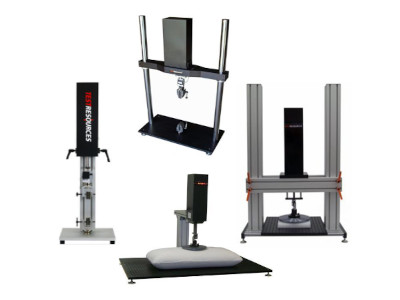
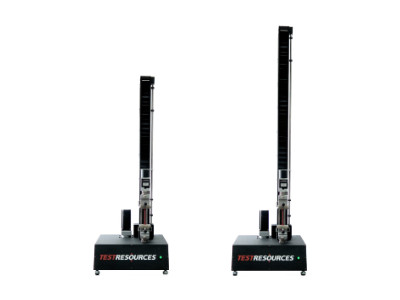
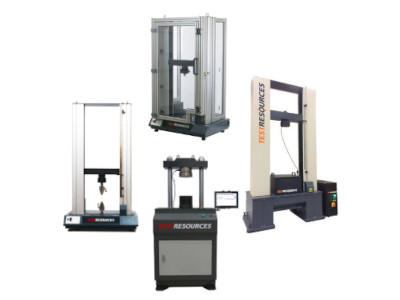
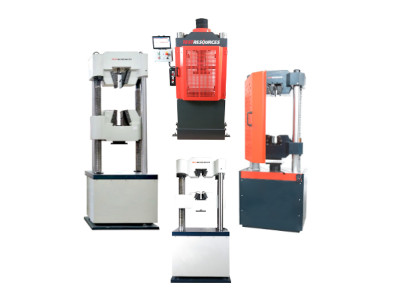
Bend Test Machines
Bend Test Fixtures