
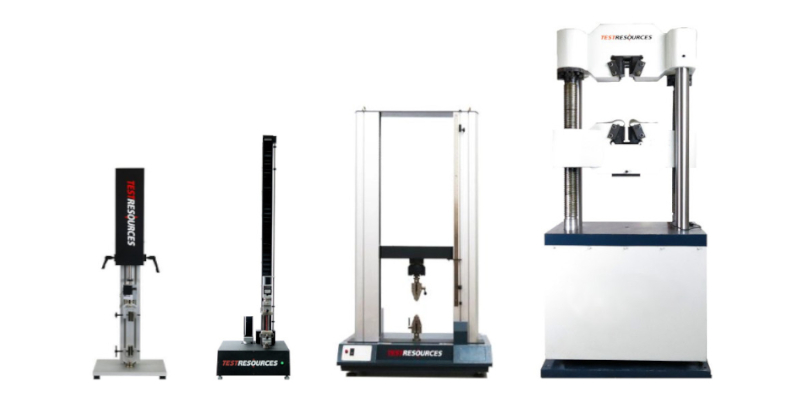
A tensile strength machine, or tensometer, measures how materials react to forces that try to pull them apart. A tensile testing machine is crucial for testing the strength and durability of materials in industries like construction, aerospace, and manufacturing. In this article, we’ll cover the different types of tensile strength machines, their key features, and their applications.
Key Takeaways
-
Tensile strength machines, essential for tensile testing material, come in various types including universal, electromechanical, and electrohydraulic systems, each suited for different materials and force requirements.
-
Advanced tensile testing machines are equipped with features like customizable software and accessories such as grips and extensometers to enhance accuracy and adaptability in diverse testing environments.
-
Adhering to industry standards is important for ensuring the reliability and safety of materials, and TestResources offers customizable and cost-effective solutions backed by strong support services.
Overview of Tensile Strength Machines
Tensile testing machines, also known as tensometers, provide critical data on the tensile strength and other mechanical properties of materials. These machines are indispensable in both research and industrial settings, where understanding the behavior of materials under tensile force is paramount. A typical tensile testing machine comprises several key components, including a load cell, crosshead, grips, controller, and a frame, all working in harmony to apply and measure controlled force.
The universal testing machine is a versatile piece of equipment capable of performing not only tensile tests but also compression, bend, and puncture tests. This adaptability makes it an invaluable tool for designing and ensuring the quality of materials across various industries. Our wide range of tensile strength testing machines can be tailored to meet diverse testing needs, ensuring that every material undergoes rigorous evaluation before it reaches the market.
Types of Tensile Testing Machines
Tensile testing machines come in various types, each designed to cater to specific materials and testing standards. Understanding these types is crucial for selecting the right machine for your testing requirements. The main type of tensile strength machine is a universal testing machine, which can be further divided into two main types: electromechanical testing systems and electrohydraulic testing systems. Each type offers unique advantages, from handling low-force measurements to withstanding high-stress conditions.
When choosing a tensile testing machine, it’s essential to consider future scalability and customization options. This ensures that the machine can adapt to evolving testing needs, providing flexibility for both small-scale research and large-scale industrial applications. By understanding the distinct characteristics and capabilities of each type, you can make an informed decision that aligns with your testing objectives.
Electromechanical Testing Systems
Electromechanical testing systems are renowned for their precision and versatility in handling a wide range of materials.
These systems can manage forces from low forces up to 300 kN (112 kip), making them ideal for applications that require accurate, low-force measurements.
Their ability to perform various tests, including:
The drive system in electromechanical testing machines is designed to offer controlled and repeatable movements, ensuring consistent test results. With advanced testing software, these systems can be configured to meet specific testing standards, allowing for precise measurement of mechanical properties. This makes them a popular choice for testing metals, polymers, and other materials that demand exacting standards.
Electrohydraulic Testing Systems
Electrohydraulic testing systems are ideal for high-stress material testing. They handle forces from 300 kN (112 kip) to 2000 kN (450 kip), fitting demanding industrial applications. Construction, aerospace, and automotive industries use these machines to assess material strength and durability under extreme conditions.
The robust design of electrohydraulic testing systems ensures high precision and reliability, even under the most strenuous testing scenarios. This wide force range allows for comprehensive material evaluations, ensuring that components will perform safely and effectively in their intended applications.
Electrohydraulic testing systems enable organizations to confidently assess mechanical properties and ensure compliance with stringent industry standards.
Newton Test Controller
From simplified test setups to an intuitive controller software interface and pre-configured methods for industry standards - this innovative technology ensures that your test application are conducted seamlessly and with precision.
Accurate & Repeatable Test Results
- Simple test setup, operation, and reporting
- Flexible and scalable software packages - Get what you need now with room to grow!
- Prebuilt test methods for many of the most common application-specific testing standards
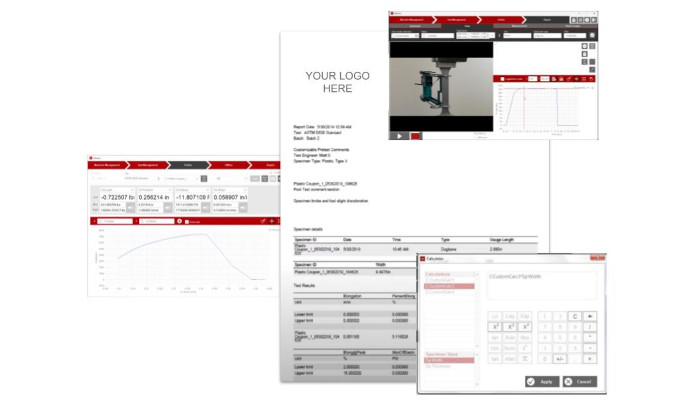
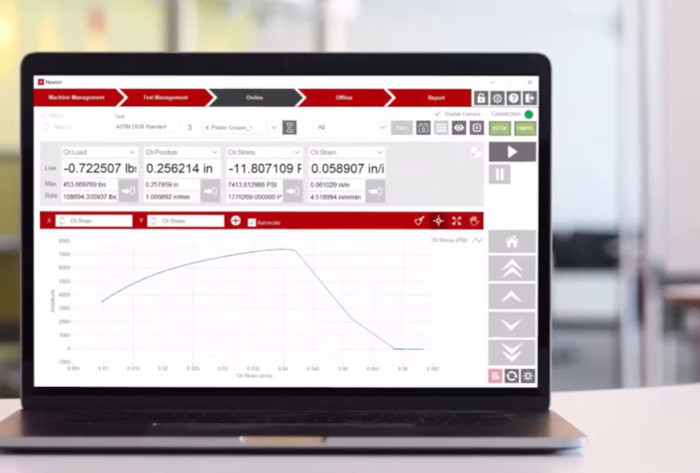
High-performance and easy-to-use controller with logical workflow design
With an intuitive interface, Newton makes it easy for users to navigate through various options and settings, ultimately enhancing the overall user experience. By streamlining complex procedures into user-friendly steps, this software serves both experienced test engineers and beginners alike to conduct tests with confidence and accuracy.
Key Features of Tensile Testers
Our tensile testers are known for their affordability and reliable performance across various testing scenarios. These machines are designed to be both versatile and customizable, allowing users to configure them according to specific testing requirements. This adaptability makes a tensile tester suitable for a wide range of applications, from small-scale research projects to large-scale industrial testing.
Electromechanical testing systems, in particular, are known for their precision in measuring the mechanical properties of materials. They can effectively test a variety of materials, including metals, plastics, and polymers, providing accurate data on tensile strength, elongation, and other critical properties. This makes them an essential tool in quality control and material development processes.
The scalability of tensile testers allows them to grow with your testing needs. From basic tensile tests to complex evaluations, these machines provide the flexibility and reliability needed for consistent and accurate results. High-quality tensile testers ensure trustworthy data, enabling informed decisions about material performance and safety.
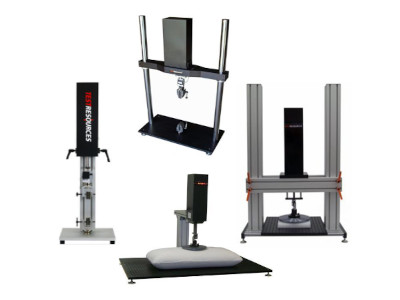
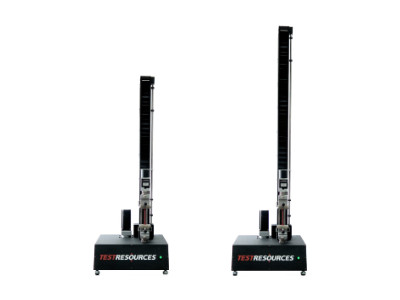
10 kN Universal Test Machines
100 SERIES
Most Flexible & Lowest Cost
- Force Capacity:
- 10 kN (2,250 lbf)
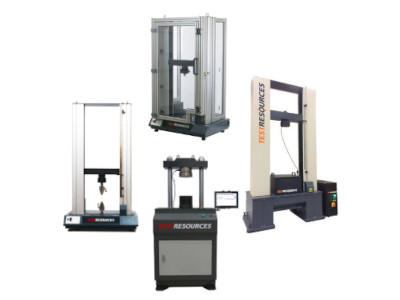
5 kN Universal Test Machines
200 SERIES
Versatile & Long Travel
- Force Capacity:
- 5 kN (1,125 lbf)
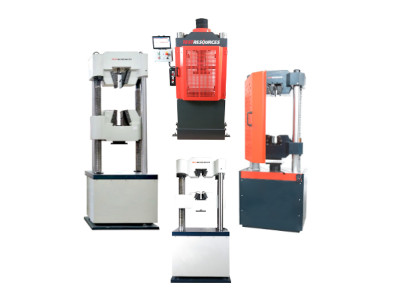
500 kN Universal Test Machines
300 SERIES
High Capacity Electromechanical
- Force Capacity
- 500 kN (112 kip)
2 MN Hydraulic Universal Test Machines
600 SERIES
High Capacity Static Hydraulic
- Force Capacity:
- 2 MN (450 kip)
Tensile Testing Accessories
A range of essential accessories is available to enhance the functionality and accuracy of tensile testing machines, including grips, cutting dies, environmental chambers, and extensometers. Grips securely hold the test specimen; selecting the right type is vital for accurate results.
Extensometers measure the elongation of the material during a tensile test, providing essential data for assessing material behavior under load and calculating key properties such as yield strength and modulus of elasticity.
Environmental chambers simulate conditions like temperature and humidity, offering a comprehensive understanding of material performance under various environmental factors.
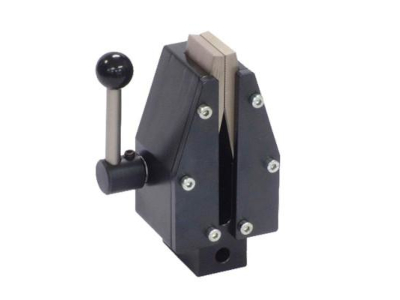
Tensile Grips
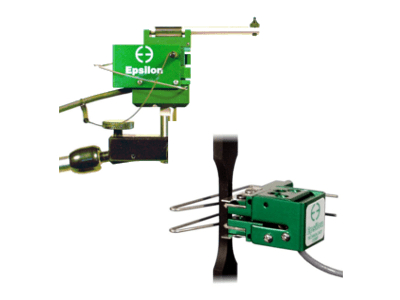
Extensometers & Deflectometers
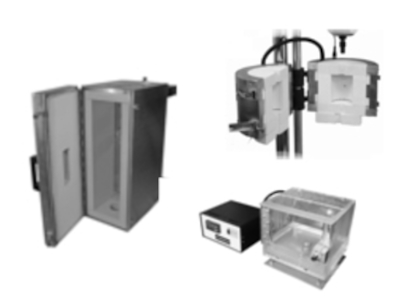
Environmental Accessories
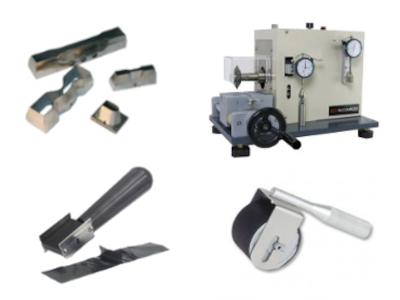
Sample Preparation Aids
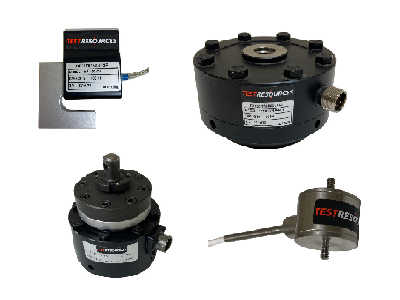
Load Cells
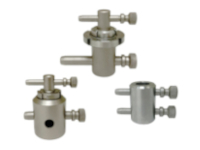
Adapters
Common Applications of Tensile Tests
Tensile tests are indispensable in a wide array of industries, each application highlighting the importance of understanding material behavior under tension. In the textile industry, for instance, tensile tests are used to evaluate the durability of fabrics, ensuring they can withstand the stresses and strains of everyday use. This is crucial for maintaining the quality and longevity of textile products.
In the construction and engineering sectors, metal products undergo tensile testing to gauge their elasticity and strength. These tests help determine whether the materials can meet the demanding requirements of structural applications.
Similarly, plastics and paper are tested for their tensile strength and flexibility, which are critical factors in their performance and usability in various products.
Industry Standards and Compliance
Adherence to industry standards is fundamental in tensile testing. Modern machines, equipped with advanced technology, allow for precise parameter settings and efficient data recording, ensuring accurate and reliable results. This compliance maintains the quality and safety of materials used across various industries.
Tensile tests play a crucial role in quality control, helping to evaluate the properties of materials and ensuring they meet the required standards. By adhering to international testing standards, organizations can ensure that their products are safe, reliable, and fit for purpose. This not only enhances product performance but also builds trust with customers and stakeholders.
Support and Maintenance Services
We offer exceptional support and maintenance services to ensure the longevity and optimal performance of their tensile testing machines. With options for in-person, remote, and hybrid support, they provide flexible solutions to meet the diverse needs of their clients. This comprehensive support ensures that any issues are addressed promptly, minimizing downtime and maintaining the efficiency of testing operations.
Emergency repair services offer an impressive response time of less than 48 hours, ensuring swift resolution of critical breakdowns. Clients can also ship machines to specialized facilities for thorough diagnostics and repairs.
This proactive approach to maintenance and support has led to high customer satisfaction, with many reporting no service calls within the first five years of using their machines.
Why Leading Organizations Trust TestResources
We have earned a global reputation for providing reliable, cost-effective tensile testing solutions. Leading organizations in various industries, including aerospace and medical sectors, rely on our machines for quality assurance. The affordability of these machines meets high standards without exceeding budget constraints, making them an attractive option for many companies.
Our wide range of customization options allows you to tailor your testing systems to their specific needs, avoiding unnecessary features and costs. This flexibility, combined with the reliability and low-maintenance nature of their machines, has solidified us as a trusted provider of tensile testing equipment worldwide. Our commitment to quality and customer satisfaction continues to drive our success in the industry.
Summary
In conclusion, tensile strength machines are vital tools in the realm of material testing, providing invaluable data that ensures the safety, reliability, and performance of materials across various industries. From understanding the different types of tensile testing machines to exploring their key features and applications, this blog has highlighted the critical aspects of tensile testing. By leveraging our advanced Newton Test Software and investing in high-quality accessories, you can achieve precise and accurate results. When you work with us you will have the support and expertise needed to maintain your testing operations at the highest standards. Embrace the power of tensile testing to elevate your material quality and performance to new heights.
