
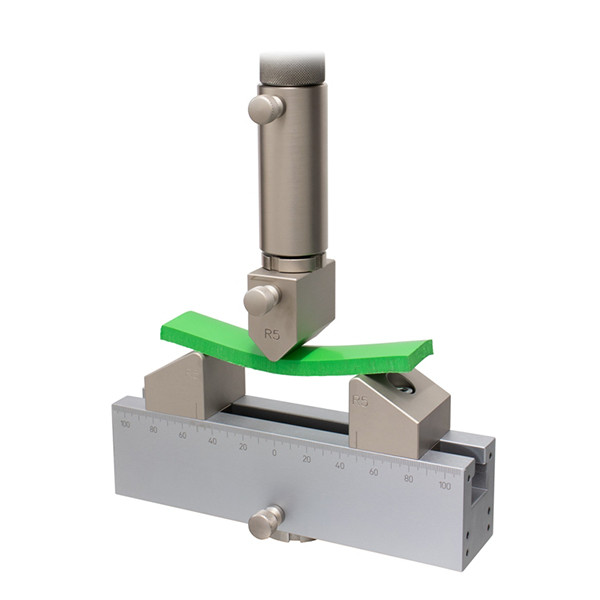
A flexural bending test measures the force required to bend materials such as plastics and composites. It helps determine their stiffness and resistance, which are critical for construction, automotive, and aerospace applications. This article will cover the different types of flexural bending tests, key parameters, standards, and real-world applications.
Key Takeaways
-
Flexural bending tests evaluate the stiffness and resistance of materials to bending, providing critical data for quality control and material suitability in industries like construction and automotive.
-
The three-point and four-point flexural tests are standard methods, with the former assessing maximum stress and the latter minimizing shear stress for more accurate results.
-
Standards such as ASTM D790 and ISO 178 ensure consistency and accuracy in flexural testing, while proper specimen preparation and advanced testing techniques enhance the reliability of outcomes.
Get Application Support
Understanding Flexural Bending Tests
Flexural bending tests are essential mechanical tests used to evaluate the measures the force required to bend a beam, typically made from plastics, polymer composites, or fiber-reinforced plates. These tests measure the material’s response under both compression and tension simultaneously, offering a complete picture of its stiffness and resistance to flexing. By assessing how much load a material can bear before deforming, flexural testing and tensile test help determine its suitability for various applications.
Flexural testing aims to assess the stiffness and resistance of a material to bending. This ensures materials used in construction, automotive, aerospace, and other industries can withstand real-world stresses. The flexural test measures the performance of these materials under such conditions.
The results of these test materials provide valuable data for quality control and material specifications, guiding engineers and manufacturers in selecting the right materials for their projects.
Types of Flexural Bending Tests
Flexural bending tests come in various forms, with the three-point and four-point flexural tests being the most commonly used methods. Each type of test has its own unique setup and application, providing different insights into the material’s behavior under load.
Selecting the appropriate method to determine a material’s flexural properties requires understanding the differences between these tests.
Three-Point Flexural Test
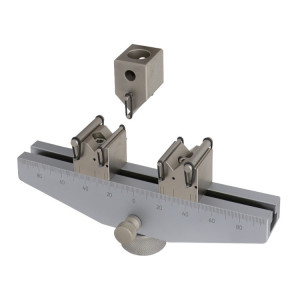
The three-point flexural test is a widely used method for evaluating the flexural properties of thermoplastics and fiber-reinforced composites. In this test, a specimen rests on two supports while a load is applied at its center, creating maximum stress under the load. Key parameters considered in this test include the support span, speed of loading, and maximum deflection, which all play a role in determining the material’s stiffness and resistance to bending.
This test is useful for assessing materials prone to bending and flexing under load. Analyzing the stress-strain curve generated during the test provides insights into material performance and predicts real-world behavior.
The three-point bend test is crucial for material characterization, offering data for quality control and product development.
Four-Point Flexural Test
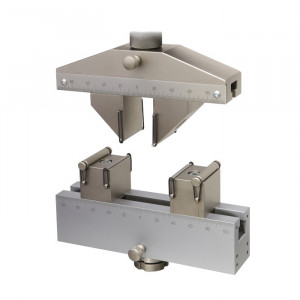
The four-point flexural test is generally recommended for more accurate results, especially for materials that may not break under maximum stress. This method allows for a more uniform stress distribution across the specimen, minimizing shear stress compared to the three-point method. In a four-point test, the load is applied at two points, creating a larger area of maximum stress and providing more accurate measurements of the material’s strength.
Preferred for detailed analysis, the four-point test distributes the load evenly, reducing premature failure and providing a clearer picture of material performance under bending. Four-point loading is invaluable for evaluating the strength and durability of materials in critical applications.
Key Parameters in Flexural Testing
Flexural testing quantifies measures like flexural strength, flexural modulus, and stress-strain relationships, crucial for material characterization. These tests determine the stiffness and resistance to bending in materials, especially plastics. Understanding these parameters helps engineers and manufacturers choose suitable materials, ensuring final products meet performance standards.
Specimen dimensions and loading configurations are vital in flexural testing. For instance, thermoplastic extrusion materials typically use specimens sized 127 mm long, 12.7 mm wide, and 3.2 mm thick, with specific attention to test specimen thickness. The specimen's geometry affects test results, influencing stress distribution and material response to loading.
By carefully controlling these parameters, accurate and reliable data can be obtained, providing valuable insights into the material’s flexural properties.
Get a Complete Test System for Your Test Application
Completing your material test system is easy. Simply start by choosing a test machine, choose your accessories, and select your controller software. We are your one-stop shop for all your application testing needs.
Request a Quote
Newton Test Controller
From simplified test setups to an intuitive controller software interface and pre-configured methods for industry standards - this innovative technology ensures that your test application are conducted seamlessly and with precision.
Accurate & Repeatable Test Results
- Simple test setup, operation, and reporting
- Flexible and scalable software packages - Get what you need now with room to grow!
- Prebuilt test methods for many of the most common application-specific testing standards
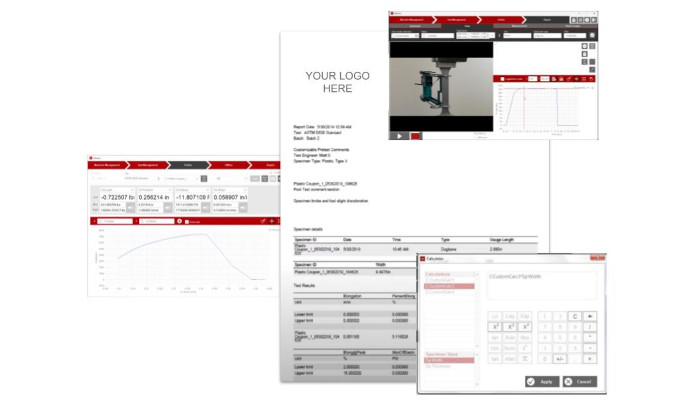
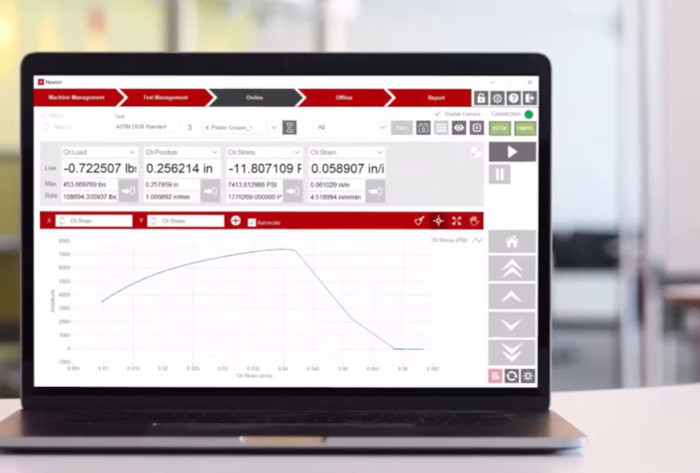
High-performance and easy-to-use controller with logical workflow design
With an intuitive interface, Newton makes it easy for users to navigate through various options and settings, ultimately enhancing the overall user experience. By streamlining complex procedures into user-friendly steps, this software serves both experienced test engineers and beginners alike to conduct tests with confidence and accuracy.
Flexural Bend Test Reports and Analysis
Flexural testing supplies important data for quality control and material specifications. Test reports offer detailed insights into material performance, highlighting strengths and weaknesses under bending forces.
This information is important for making informed decisions about material selection and product design.
Flexural Stress and Strain
Flexural stress is the maximum stress experienced by a material during bending. The stress-strain curve generated in flexural testing helps understand material performance under bending, highlighting stiffness, yield point, and ultimate strength.
Flexural strain is the ratio of the change in length to the original length of a bent test specimen. This parameter assesses the material’s flexibility and deformation resistance. Analyzing the stress-strain relationship helps engineers determine flexural properties and predict real-world performance.
Flexural Modulus and Strength
Flexural modulus quantifies a material’s tendency to deform under load, specifically how much it flexes before permanent deformation occurs. This value is determined from the initial slope of the stress-strain curve obtained during testing. A high flexural modulus and modulus of elasticity indicate that the material is very stiff and resistant to bending, which is crucial for applications where rigidity is essential.
Flexural strength indicates the maximum stress a material can withstand while bending before failure. This value assesses the material’s load-bearing capacity and resistance to breaking under stress.
Flexural tests evaluate the mechanical properties of materials like thermoplastics and biocomposites, offering valuable data for quality control and product development.
Standards and Procedures for Flexural Testing
Standards and procedures ensure accurate and consistent results in flexural testing. Adhering to standardized methods maintains the reliability and comparability of test data.
This is especially important in industries like automotive, aerospace, and construction, where material performance is critical for safety and quality.
ASTM D790 and ISO 178
ASTM D790 is the standard test method for flexural properties of unreinforced and reinforced plastics and electrical insulating materials. This standard specifies the procedures and equations for conducting flexural tests, ensuring consistency and accuracy in the results. The test stops when a specified deflection of 5% is reached or when the specimen breaks, providing a clear endpoint for the measurement.
ISO 178 details the methods for determining the flexural properties of rigid and semi-rigid plastics under specific conditions. This standard includes various deflection measurement types, which can affect the accuracy and complexity of the test.
ASTM D790 and ISO 178 standards are essential for evaluating flexural properties, providing a reliable framework for conducting these tests.
Test Specimen Preparation
Proper preparation of the flexural test specimen is vital for accurate results. The common specimen size for ASTM flexural tests is 3.2 mm × 12.7 mm × 125 mm.
For thermoplastic extrusion materials, a specimen size of 127 mm by 12.7 mm by 3.2 mm is typically used to ensure consistency and reliability in test results.
Applications of Flexural Bending Tests
Flexural bending tests determine the flexural properties of material suitability, particularly for structural components. Data from these tests determines the flexural material selection for applications where load-bearing capacity and flexibility are critical.
This testing method is particularly useful for evaluating thermoplastics and composites, predicting their performance in real-world scenarios.
Thermoplastics and Composites
Three-point bending tests often evaluate the flexural modulus, yield strength, and overall properties of polymer materials. According to ISO 178, these tests assess the flexural properties of both thermoset and thermoplastic materials, offering valuable insights into performance under load. Fiber-reinforced composites benefit from flexural testing, revealing important details about their layered structures and interfacial strength.
Flexural testing of fiber-reinforced composites provides insights into the adhesion strength between fibers and the matrix. This information is crucial for optimizing the design and performance of composite materials, ensuring they meet required standards for specific applications.
Biocomposites and Sustainable Materials
Flexural testing is key in developing biocomposites by evaluating their mechanical properties and performance in sustainable applications. Understanding the flexural behavior of sustainable materials helps optimize their design for environmental efficiency and durability. Environmental conditions like temperature and humidity can significantly affect the moisture absorption behavior of biocomposites, impacting their flexural properties.
Advancements in flexural testing methodologies enhance durability assessment of composites under various environmental conditions. These innovations are crucial for developing sustainable materials that can withstand real-world challenges.
Advanced Techniques and Innovations in Flexural Testing
Recent advancements in flexural testing have led to more accurate and reliable methods for evaluating materials. New testing equipment and methodologies enhance the precision of data acquisition and analysis.
Simulating actual operational conditions, these advanced techniques ensure that the results are relevant and applicable to real-world scenarios.
Environmental Impact on Flexural Properties
Flexural tests conducted at varying temperatures simulate real-life conditions, significant for materials experiencing temperature fluctuations during use. Elevated and reduced temperatures influence material properties during testing, affecting stiffness and strength. Accounting for temperature variations is crucial for accurately evaluating material performance under real-world conditions.
Environmental factors, especially temperature and humidity, can impact flexural test results. Understanding these effects on material behavior helps engineers make informed decisions about material selection and product design.
Emerging Technologies in Flexural Testing
Advancements in flexural testing equipment include systems handling higher temperatures and pressures, enhancing test accuracy. Ground Penetrating Radar (GPR) and Digital Image Correlation (DIC) technologies improve measurement accuracy and provide detailed displacement data. These innovative methodologies enable real-time monitoring of material behavior during tests, offering valuable performance insights.
Introducing 3D printing technology allows the creation of uniform test specimens, improving the reliability of flexural testing outcomes. Automated systems enhance repeatability and reduce human error, ensuring more consistent and accurate results.
Common Challenges and Solutions in Flexural Testing
Flexural testing, while invaluable, faces challenges. Surface flaws, improper test configurations, and non-uniform loading can lead to inaccurate results and premature specimen failure, skewing data and providing an incomplete picture of material properties.
Overcoming these challenges requires careful monitoring and correction of machining flaws, ensuring a precise and consistent test setup.
Important Considerations When Performing a Flexural Test
Several important considerations ensure accurate results when performing a flexural test. Testing materials at temperatures mirroring their intended application environment yields more relevant data.
The support span-to-depth ratio setup influences test results and is defined differently by various standards. Specimen geometry affects stress distribution, with a portion of the stress being observed in rectangular specimens commonly used in standard flexural testing procedures.
The loading rate during testing is a critical factor influencing material response and result accuracy.
What Equipment Do I Need to Perform a Flexural Test?
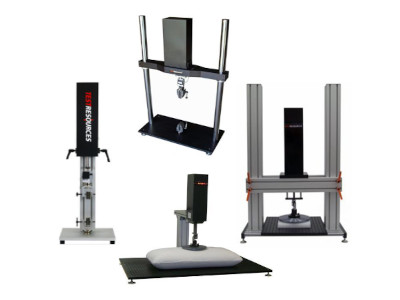
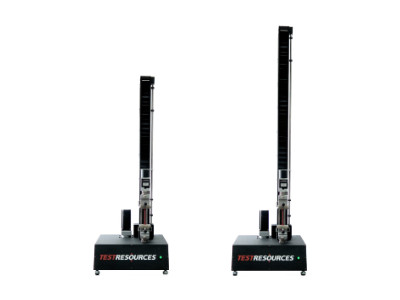
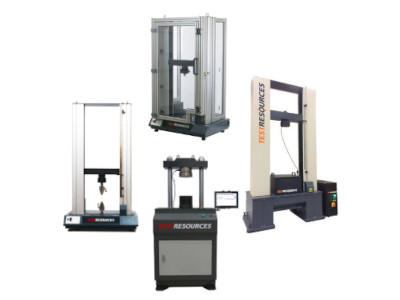
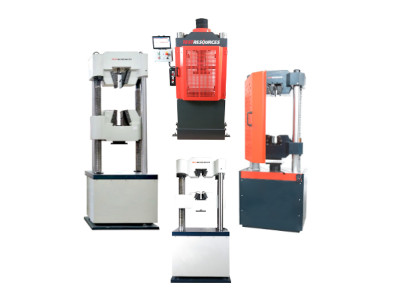
The equipment needed to perform a flexural test configuration depends on the application. The most common equipment is a universal test machine, configurable for specific applications.
These versatile machines perform various tests on different samples by switching grips and fixtures, making them essential for accurate and reliable flexural tests.
Flexural Bend Test Machines
Bend test machines assess material properties like ductility, bend strength, and resistance to fracture. They are primarily used for evaluating ductile metals and related metal products.
Flexure tests are suited for testing brittle materials such as plastics, composites, and ceramics. Bend testers can be tailored to specific needs using various fixtures and controllers, including options for direct deflection measurement.
Flexural Bend Testing Accessories
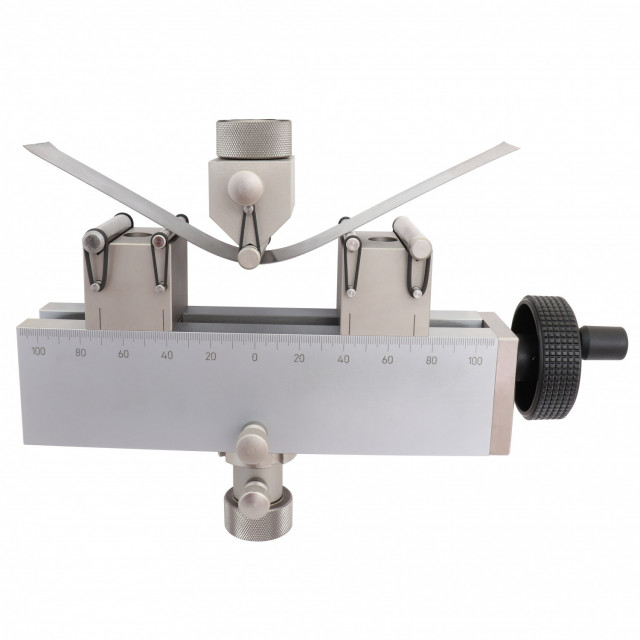
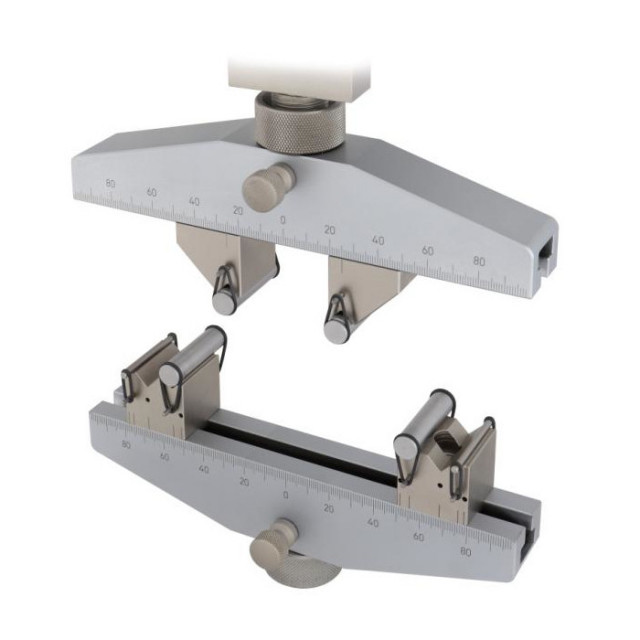
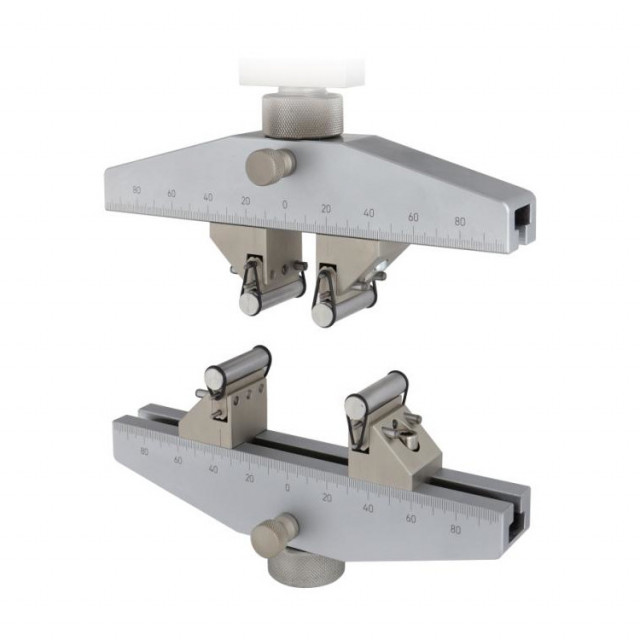
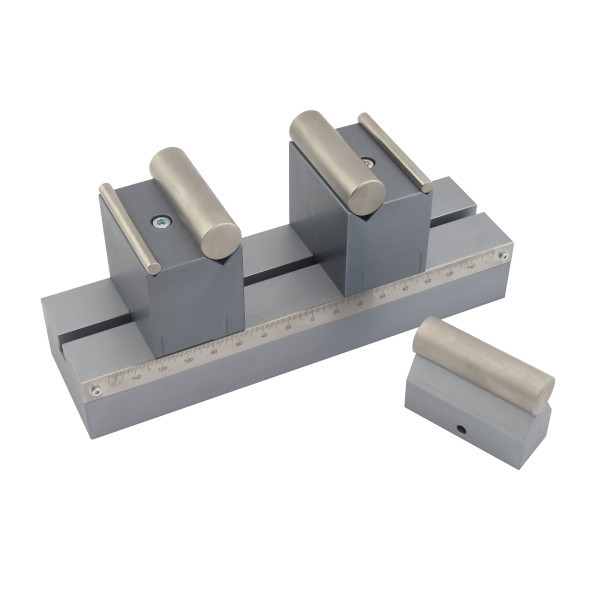
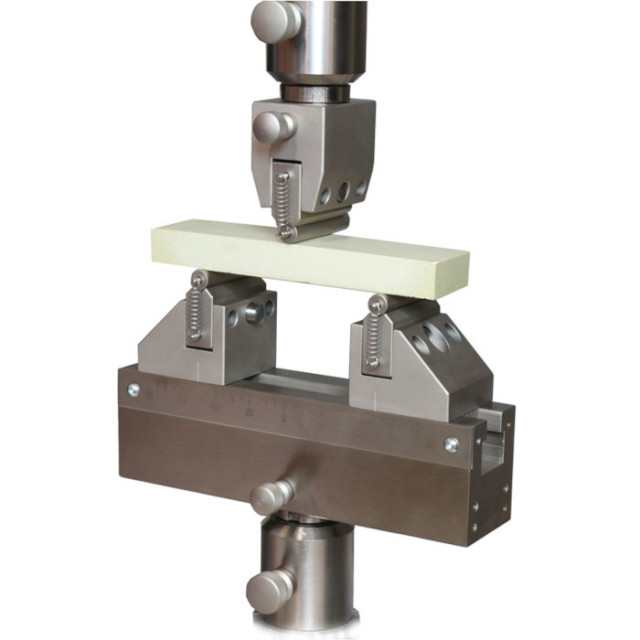
Flexural testing accessories enhance test accuracy and efficiency. Various models of bend fixtures, like the G22 Three Point Bend Fixture, have specific force capacities and configurations for different testing needs, including point flexure.
The G103 bend fixtures are versatile, performing both 3-point and other bending tests. These fixtures have adjustable base lengths and significant force capacities, making them suitable for various applications.




Talk to one of our Engineers to help you navigate the vast selection of testing accessories to find the perfect fit for your testing application.
Summary
Flexural bending tests are a cornerstone in material testing, providing critical insights into the stiffness, strength, and overall performance of various materials under bending forces. From understanding the fundamental principles to advanced techniques and applications, this comprehensive guide has covered all aspects of flexural testing. By adhering to standard procedures, using the right equipment, and considering environmental factors, engineers and manufacturers can ensure accurate and reliable results. These tests play an essential role in quality control, material selection, and product development, ultimately contributing to safer and more efficient applications in various industries.
Frequently Asked Questions
The purpose of a flexural bending test is to assess the force needed to bend a material, which offers valuable insights into its stiffness, strength, and overall performance when subjected to load.
The key difference between the three-point and four-point flexural tests lies in the load application; the three-point test applies the load at a single point, resulting in maximum stress at that point, whereas the four-point test distributes the load across two points, leading to a more uniform stress distribution and improved accuracy in measurements.
Specimen preparation is crucial in flexural testing as it guarantees consistency and reliability in results. Accurate dimensions and geometry influence stress distribution and the material's response to applied loads.
Environmental factors such as temperature and humidity critically influence material properties during flexural testing, impacting stiffness and strength. Therefore, conducting tests under controlled conditions is essential for accurate assessment of material performance.
Significant advancements in flexural testing technologies encompass systems designed for elevated temperatures and pressures, the integration of Ground Penetrating Radar (GPR) for precise measurements, Digital Image Correlation (DIC) for enhanced displacement data, and the use of 3D printing to fabricate uniform test specimens. These innovations collectively improve testing accuracy and specimen consistency.
