
The Edge Crush Test (ECT) measures the edgewise compressive strength of corrugated board, ensuring that packaging materials can withstand the demands of stacking and transportation. This article will explore how the ECT works, its significance, and how it compares to other strength tests in the packaging industry.
Key Takeaways
-
The Edge Crush Test (ECT) measures the edgewise compressive strength of corrugated board, providing manufacturers with critical insights into packaging durability and performance.
-
Higher ECT ratings correlate with increased stacking strength and protection during transportation, guiding manufacturers in selecting suitable materials for their packaging applications.
-
Understanding the differences between the Edge Crush Test and the Mullen Burst Test is essential for manufacturers to choose appropriate testing methods based on specific packaging needs.
Understanding the Edge Crush Test (ECT)
The Edge Crush Test (ECT) is a crucial evaluation method in the packaging industry, measuring the edgewise compressive strength of corrugated board. This test helps manufacturers create sustainable corrugated materials with higher strength ratings and lower weights, ensuring that packages can withstand the rigors of transportation. Understanding the ECT is the foundation for achieving reliable and durable packaging solutions.
Grasping the full scope of the ECT involves understanding its definition, purpose, and historical context. This knowledge offers a comprehensive view of its evolution and significance in modern packaging.
Definition and Purpose of ECT
The Edge Crush Test (ECT) is defined as a method to determine the vertical compressive strength of corrugated board by applying pressure until failure. Essentially, it measures the cross-direction force required to crush the board’s load bearing edge, providing a quantifiable measure of its strength. The test results are reported as an ECT value in pounds per lineal inch, which indicates the load-bearing capacity of the corrugated material.
The purpose of the ECT is to assess the edgewise compressive strength of corrugated board, which is crucial for determining its robustness and ability to protect contents during transportation. Exerting increasing pressure on the sample until it collapses helps manufacturers understand the material’s limits and improve its structural integrity. Higher ECT values correlate with more robust materials, enhancing the stacking strength and overall durability of the packaging.
The ECT can be applied to various types of corrugated board, including single-wall, double-wall, and triple-wall, making it a versatile tool in the packaging industry. Standards like ISO 3037 ensure the test’s consistent and accurate application across different regions and uses.
Historical Context of ECT
The Edge Crush Test was developed in the 1970s in response to the need for more reliable packaging strength assessments. This innovation came at a time when the packaging industry was seeking better methods to ensure the safety and durability of materials used in shipping and storage.
The ECT has since become a standard test, providing valuable insights into the compressive strength of corrugated board and helping manufacturers improve their packaging solutions.
How the Edge Crush Test is Conducted
Conducting the Edge Crush Test (ECT) involves a systematic process that includes preparing samples, positioning them in a testing machine, and applying controlled pressure until failure occurs. This test is essential for evaluating the edge crush strength of corrugated materials, allowing manufacturers to enhance packaging designs tailored to different product requirements.
Understanding the detailed steps and required equipment is crucial for accurate and reliable ECT results. A comprehensive understanding requires delving into the required equipment and setup, the step-by-step testing procedure, and analyzing the ECT results.
Required Equipment and Setup
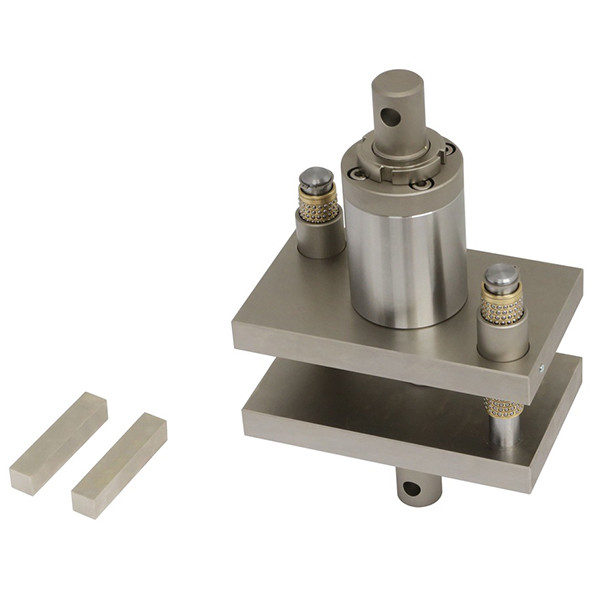
An ECT tester, such as a Compression Tester, is essential for accurately carrying out the Edge Crush Test. This machine compresses a small piece of corrugated board between two rigid platens to measure its performance. Regular calibration of the testing equipment is necessary to maintain the reliability of the results. Establishing standard operating procedures ensures consistency in testing conditions.
Proper maintenance and servicing of the instruments are vital for achieving precise outcomes that accurately measure the strength and endurance levels of the corrugated materials. This setup is crucial for obtaining valid and repeatable ECT results.
Compression Test Machines
Compression test machines are usually universal testing machines that are specially configured to evaluate static compressive strength characteristics of materials, products, and components. Our wide variety of compression test machines are designed to measure characteristics such as ultimate compression strength, yield strength, deflection, and modulus.
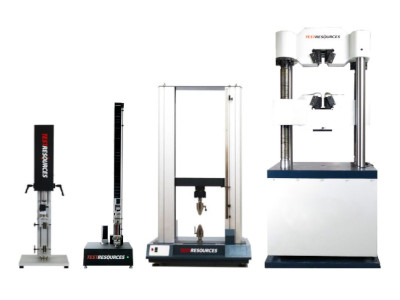
Choose from over 40 models with force capacities ranging from very low forces up to 3 MN (660 kip) and two different technologies, offering hundreds of configuration options. This allows you to optimize your testing capabilities and select exactly what you need.
Step-by-Step Testing Procedure
Uniform sample preparation is crucial for the Edge Crush Test, as variations in dimensions or quality can significantly impact the test outcomes. During the test, the sample is positioned upright between two plates, and pressure is applied until it collapses. Proper placement of specimens is essential to prevent incorrect readings.
Systematic preparation, accurate calibration, and comprehensive training are essential to ensure accurate results in the ECT. Common problems such as improper sample preparation, misalignment of samples, and environmental factors can affect the test results. Addressing these issues is critical for dependable and consistent ECT values.
Adhering to standardized guidelines and maintaining a controlled environment help mitigate these issues, ensuring the results reflect the true strength of the corrugated packaging materials.
Analyzing ECT Results
The ECT value is recorded as the maximum force needed to cause collapse, reflecting the edgewise crush resistance and strength of the material. This rating is expressed in pounds per lineal inch, indicating how much weight a sample can bear before failure. Interpreting ECT results involves analyzing the collapse point, considering average values, industry standards, and external conditions like humidity or temperature.
Reports should include graphs, charts, statistical analysis, and actionable insights, helping manufacturers understand material performance and make informed packaging decisions.
Edge Crush Resistance
Understanding Material Performance
Edge crush resistance is vital for the overall performance of corrugated board, indicating its ability to withstand compressive forces along its edges. This characteristic ensures corrugated boxes endure shipping, handling, and storage without losing structural integrity.
Factors such as flute type, paper weight, and adhesive influence edge crush resistance. Higher resistance means the material can handle greater compressive forces, making it ideal for stacked or roughly handled boxes.
Manufacturers enhance edge crush resistance by using stronger adhesives, increasing paper weight, or altering flute structure, resulting in stronger, more durable boxes. This optimization ensures effective protection throughout the supply chain.
Testing Methods for Corrugated Board
Overview of Various Testing Techniques
Testing methods for corrugated board are crucial in evaluating its performance and ensuring that it meets the required standards. Various testing techniques are used to assess the strength, durability, and quality of corrugated board. Some of the common testing methods include:
-
Edge Crush Test (ECT): This test measures the compressive strength of corrugated board along its edges. It is essential for determining the stacking strength and overall durability of the packaging material.
-
Mullen Burst Test: This test measures the force required to puncture or break the face of corrugated board. It is particularly useful for assessing the material’s resistance to rough handling and punctures.
-
Stacking Strength Test: This test evaluates the ability of corrugated boxes to withstand stacking forces. It helps manufacturers determine the maximum load a box can bear before collapsing.
-
Compression Test: This test measures the compressive strength of corrugated board under various loads. It provides insights into the material’s performance under different stress conditions.
These testing methods provide valuable insights into the performance of corrugated board, enabling manufacturers to optimize their production processes and produce high-quality products. By understanding the strengths and weaknesses of their materials, manufacturers can make informed decisions to improve their packaging solutions.
Comparing Edge Crush Test with Mullen Burst Test
Understanding the differences between the Edge Crush Test (ECT) and the Mullen Burst Test is crucial for selecting the appropriate test for specific packaging needs. The ECT assesses how much weight can be stacked on a box without damaging its edges, focusing on structural integrity, while the Mullen Burst Test evaluates the force needed to puncture the box, primarily assessing its protective capacity against puncture or breakage.
This comparison helps manufacturers choose the right test based on their packaging requirements, ensuring that the materials used provide the necessary strength and protection.
Key Differences in Measurement
The Edge Crush Test (ECT) assesses the edgewise compressive strength of corrugated board, focusing on its structural integrity and stacking strength. Meanwhile, the Mullen Burst Test evaluates the board's burst strength, which indicates its resistance to puncture or breakage. While ECT measures edgewise compressive strength, the Mullen Test focuses on burst strength from the flat side.
Boxes rated with ECT tend to be lighter and use less material than those rated by the Mullen Test, due to their different measurement focuses. ECT ratings align more closely with stacking performance, whereas Mullen Test ratings relate to durability under puncture stress.
Burst test results are measured in pounds per square inch, emphasizing pressure resistance.
Practical Applications of Each Test
The primary use case for the Edge Crush Test is in scenarios involving distribution where goods are likely to be stacked and palletized. When goods are likely to be stacked, the ECT is more beneficial than the Mullen Burst Test.
The Mullen Burst Test measures, on the other hand, is particularly suited for packages that may endure rough handling during transit, such as those where there are risks of punctures from sharp or irregularly shaped objects.
Choosing between the Edge Crush Test and the Mullen Burst Test depends on specific packaging requirements and the types of stresses the packages will encounter. Understanding these practical applications helps manufacturers select the appropriate test to ensure their packaging materials meet the necessary standards.
Importance of Edge Crush Test in Packaging Quality
The Edge Crush Test (ECT) is vital for evaluating packaging quality and durability. By assessing the edgewise compressive strength of corrugated board, it provides insights into stacking capability and overall robustness. This test benchmarks package functionality by measuring peak load capacity and strength of corrugated materials.
Understanding ECT's significance aids box manufacturers in designing safer, more effective packaging solutions, ensuring product protection throughout distribution.
Impact on Packaging Durability
Higher Edge Crush Test (ECT) ratings enhance a package's ability to withstand crushing forces and improve stacking strength. These ratings offer more protective strength during transportation. Factors like flute type, paper grade, and adhesive properties significantly influence the compressive strength and durability of corrugated cardboard.
Choosing the correct ECT rating ensures sufficient protective strength against various loads. Overall, higher ECT ratings result in stronger cartons that maintain integrity under heavy stacking and pressure.
Correlation with Stacking Strength
The Edge Crush Test is essential for evaluating the stacking strength of boxes, especially in B2B shipping scenarios. The ECT value is vital for assessing how well boxes can handle stacking and the associated loads. Higher ECT ratings imply stronger materials that can withstand more weight.
ECT tests assist manufacturers in choosing materials and designs for durability, predicting the maximum load a box can bear before collapsing under stacks. Higher ECT ratings enhance packaging performance and ensure integrity during stacking.
Common ECT Ratings and Their Implications
ECT ratings indicate a box’s ability to resist crushing due to vertical pressure, expressed in pounds per inch. The most common ECT ratings for corrugated boxes include 32 ECT, 44 ECT, and 48 ECT. These ratings assist manufacturers in selecting appropriate materials and designs for their packaging needs, ensuring adequate protection during transit and storage.
Grasping these common ECT ratings and their implications is crucial for optimizing packaging solutions and ensuring product safety.
Popular ECT Ratings Explained
A 32 ECT rating shows that the edge can handle a compression strength of 32 pounds per inch. It will fail if that limit is exceeded. This rating is suitable for lightweight objects and less strenuous shipments. Items typically packaged in 32 ECT boxes range from lightweight to medium-weight packages.
A 44 ECT rating indicates an edge crush resistance of 44 pounds per inch for heavy-duty packaging. This rating is optimal for packaging that needs to endure heavy loads. In contrast to the 32 ECT rating, a 44 ECT rating is suited for applications requiring greater strength and durability.
Influence on Material Selection
Edge Crush Test (ECT) ratings guide manufacturers in selecting the right corrugated materials for various packaging needs. By analyzing ECT results, manufacturers can choose materials that provide adequate durability while using fewer raw materials, leading to cost-effective production. Higher ECT ratings allow reduced material usage without compromising strength, promoting efficient resource utilization and lowering costs.
Optimizing ECT through strategic material choices enhances sustainability by minimizing raw material consumption and costs. This balance between performance and environmental impact is crucial in the packaging industry.
International Standards for Edge Crush Testing
Global Compliance and Requirements
International standards for edge crush testing ensure corrugated board manufacturers meet global regulations. Key standards include:
-
ISO 3037: Specifies the method for determining edgewise compressive strength, providing guidelines for testing and result interpretation.
-
TAPPI T 838: Outlines procedures for edge crush testing, including sample preparation, testing, and analysis.
-
FEFCO 8: Specifies the method for measuring edgewise compressive strength, ensuring consistency across regions.
Compliance with these standards ensures products meet global quality and safety requirements. Adhering to these standards demonstrates a commitment to quality and customer satisfaction, crucial for maintaining the integrity of corrugated packaging materials.
Due to the massive selection of products that we offer, it can be difficult to narrow down what you need. Let us help you select and configure based on your testing application.
Troubleshooting Edge Crush Testing Issues
Common issues encountered during Edge Crush Testing can lead to discrepancies in the results, affecting the reliability of ECT values. Addressing these issues is crucial to achieve dependable ECT values for effective evaluation. Proper troubleshooting ensures that the test accurately reflects the material’s strength and provides reliable data for quality control.
Systematically identifying and solving potential problems helps manufacturers maintain the integrity of their ECT results and make informed packaging improvements. Recognizing common errors and best practices is key to achieving accurate and consistent results.
Best Practices for Accurate ECT
Following best practices in Edge Crush Testing is crucial for obtaining accurate and reliable results. These practices include systematic sample preparation, regular equipment calibration, and comprehensive training for personnel conducting the tests. These practices ensure that ECT results reflect the true strength of the corrugated materials.
A consistent testing environment and adherence to international standards further enhance results’ reliability. These measures help achieve accurate ECT data, essential for making informed decisions about packaging design and material selection.
Summary
In conclusion, the Edge Crush Test (ECT) is an indispensable tool in the packaging industry, providing critical insights into the strength and durability of corrugated materials. By measuring the edgewise compressive strength, the ECT helps manufacturers design packaging that can withstand the rigors of transportation and stacking. This test, along with the Mullen Burst Test, offers a comprehensive assessment of corrugated board performance under various conditions.
Understanding the ECT’s definition, purpose, historical context, and practical applications allows manufacturers to optimize their packaging solutions, ensuring product safety and cost-effectiveness. By avoiding common errors and implementing best practices, accurate and reliable ECT results can be achieved, leading to improved packaging quality and performance. Embrace the knowledge and insights gained from the ECT to enhance your packaging strategies and ensure the protection of your products.
Get a Complete Test System for Your Test Application
Completing your material test system is easy. Simply start by choosing a test machine, choose your accessories, and select your controller software. We are your one-stop shop for all your application testing needs.
Request a QuoteFrequently Asked Questions
The Edge Crush Test (ECT) assesses the edgewise compressive strength of corrugated board, reflecting its capacity to endure vertical pressure and offering valuable insights into its stacking strength. This test is essential for ensuring the durability and performance of packaging materials.
The Edge Crush Test (ECT) is conducted by placing a sample of corrugated board between two rigid platens and applying controlled pressure until collapse occurs, with the maximum force recorded as the ECT value. This method provides a measure of the material's resistance to compressive forces.
Common ECT ratings include 32, 44, and 48, with higher ratings indicating greater strength and ability of corrugated board to withstand force before failure. Thus, selecting a higher ECT rating is crucial for ensuring material durability in packaging applications.
The Edge Crush Test (ECT) primarily evaluates the edgewise compressive strength and stacking stability of corrugated board, while the Mullen Burst Test assesses its puncture resistance and overall protective capacity. Both tests are essential for determining the suitability of packaging materials.
To achieve accurate Edge Crush Testing, it is essential to follow best practices such as systematic sample preparation, regular calibration of testing equipment, comprehensive training for personnel, and maintaining a consistent testing environment. Implementing these measures will ensure reliable test results.
Popular Test Machines


