

Rubber tensile testing machines are vital tools for measuring rubber's mechanical properties, such as tensile strength and elasticity. These machines help manufacturers maintain product quality and prevent failures by ensuring that rubber materials meet specific standards. In this article, we will dive into the importance of rubber tensile testing machines, their features, and the types of tests they perform.
Key Takeaways
-
Rubber tensile testing machines are crucial for evaluating mechanical properties, such as elasticity and tensile strength, ensuring product reliability and adherence to specified standards.
-
Key features of these machines include high-precision load cells, advanced control software for real-time data analysis, and customizable test parameters to accommodate various rubber materials.
-
Regular maintenance and adherence to established testing standards, such as ASTM and ISO, are essential for accurate results and consistent product quality in rubber testing.
Importance of Rubber Tensile Testing Machines
Ensuring the quality and reliability of rubber products is paramount, and tensile testing machines are at the forefront of this endeavor. These machines play a vital role in assessing the mechanical characteristics of rubber, such as elasticity and tensile strength, which are crucial for product performance. Regular tensile tests help manufacturers prevent product failures, ensuring rubber materials meet specified standards and maintain production consistency.
In the development phase, engineers use tensile testing machines to make informed decisions based on empirical data. Understanding the physical properties of rubber, such as how much it can stretch without breaking, is critical for designing products that perform reliably under stress. This approach helps fine-tune formulations and processes, improving product performance and customer satisfaction.
However, the effectiveness of these machines depends on proper usage and maintenance. Operators must receive adequate training to minimize user errors, and routine checks of the load cell and its calibration using certified weights are essential for ensuring precise measurements. Adhering to best practices allows manufacturers to fully utilize tensile testing machines, enhancing product quality and reliability.
Key Features of Rubber Tensile Testing Machines
Rubber tensile testing machines are equipped with several key features that ensure accurate and reliable material analysis. One of the most critical components is the high-precision load cell, which measures the force applied to the rubber sample with exceptional accuracy. This precision is vital for obtaining reliable data on the mechanical properties of rubber materials, such as tensile strength and elongation.
The software controlling the testing machine is another key feature. Regular updates improve performance and ensure compatibility with the latest standards. Advanced software capabilities include real-time data collection and analysis, which enhance the accuracy and repeatability of test results. Additionally, features like automatic error correction and detailed reporting tools provide deeper insights into the material's performance.
Rubber tensile testing machines often feature various customizable parameters for comprehensive testing. This adaptability accommodates various rubber compounds and test conditions. Whether you are testing vulcanized rubber, thermoplastic elastomers, or other flexible materials, these machines can be configured to meet specific testing requirements, making them indispensable tools in materials testing and quality assurance.
Types of Rubber Tensile Tests
Tensile tests are fundamental for rubber material analysis, offering crucial data on mechanical properties. This test measures the force required to stretch a rubber sample until it breaks, offering valuable insights into its tensile strength and elasticity. Understanding these properties ensures reliable product performance under various stress conditions.
Elongation tests are another crucial type of rubber tensile testing. These tests measure the extent to which a rubber sample can stretch, expressed as a percentage of its original length. Elongation at break is a key indicator of the material's flexibility and resilience, making it essential for applications where rubber must endure significant deformation without failing.
Besides tensile and elongation tests, dynamic compression and fatigue tests evaluate rubber's performance under various conditions. Dynamic compression tests assess how rubber behaves under cyclic loading, while fatigue tests determine its endurance over prolonged periods. Combined, these tests offer a thorough evaluation of rubber materials, ensuring they meet required standards.
Configuring Test Equipment for Elastomer and Rubber
Configuring test equipment for elastomer and rubber requires careful planning and attention to detail. The first step involves gathering all relevant information about the test sample, including its material properties, dimensions, and forms. This data helps define the test requirements and ensures that the testing process is tailored to the specific needs of the rubber compound being analyzed.
Proper specimen alignment is crucial to avoid significant variations in tensile test results. Misalignment results in inaccurate data and compromised outcomes. Automatic gripping systems are ideal for elastomers, which thin during stretching, ensuring a secure hold on the sample throughout the test. This ensures consistent and reliable measurements of the material's mechanical properties.
Environmental chambers play a vital role in simulating the conditions that elastomers will encounter in real-world applications. These chambers control temperature, humidity, and other factors, helping assess rubber performance under varied conditions. Additionally, increasing throughput in testing can be achieved through automation and the use of multiple testing stations, enabling more efficient and high-volume testing processes.
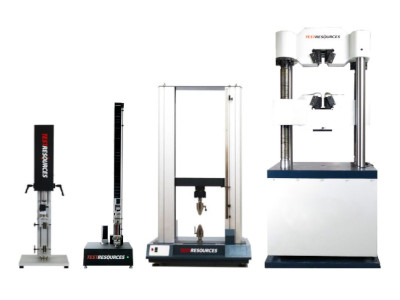
Tensile Test Machines
Get the Highest Value Tensile Testers
Choose form 38 different models and two different technologies with 100's of configurations which allows you to optimize your testing capabilities and pick exactly what you need.
Select Tensile Test MachinesTensile Testing Accessories
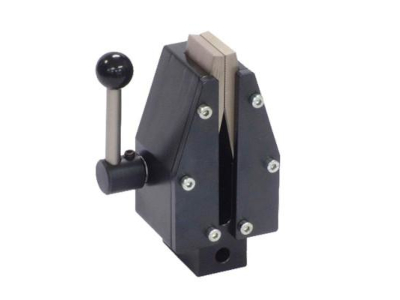
Tensile Grips & Fixtures
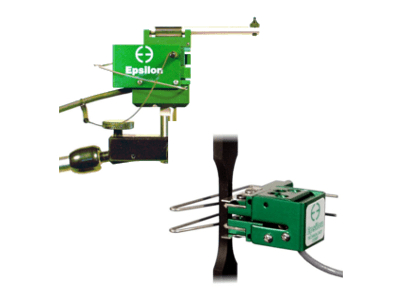
Extensometers
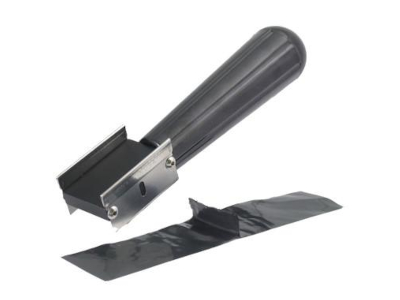
Sample Cutters
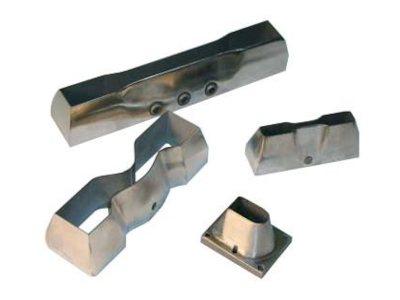
Cutting Dies
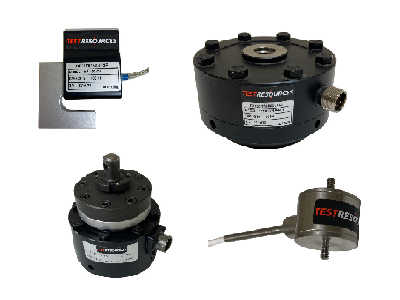
Load Cells
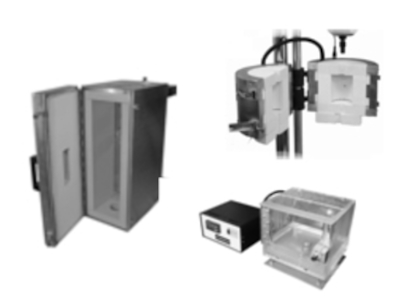
Environmental Accessories
Test Standards for Rubber Tensile Testing
Adhering to established test standards is essential for ensuring consistent and reliable results in rubber tensile testing. Organizations like ASTM, ISO, and DIN play a crucial role in developing these standards, which provide guidelines for conducting tests and interpreting results. These standards are developed through consensus by industry experts, reflecting best practices in materials testing.
One of the key standards for rubber tensile testing is ASTM D412, which specifies the methods for measuring the tensile properties of vulcanized rubber and thermoplastic elastomers. This standard outlines the procedures for preparing samples, conducting tests, and reporting results, ensuring that the data obtained is accurate and comparable. Similarly, ISO 37 focuses on the tensile testing of rubber materials, providing guidelines for evaluating properties such as tensile strength and elongation.
To ensure uniformity and reliability, it is important to follow these standards closely. For example, testing typically uses a universal testing machine operated at a specified speed until the rubber sample breaks. Consulting standards organizations and following their guidelines enables manufacturers to establish effective test method, ensuring reliable and consistent results.
Common Applications of Rubber Tensile Testing Machines
Rubber tensile testing machines are indispensable tools across various industries, providing critical insights into the mechanical properties of rubber materials. In the automotive sector, these machines are used to evaluate the strength of components like suspension systems and brake parts, ensuring they can withstand the stresses of everyday use. The aerospace industry uses tensile testing machines to inspect critical parts like wings and engine components for weaknesses.
In biomedical applications, a tensile testing machine tests materials for medical devices like implants and stents, ensuring they meet strict safety and efficacy standards through components testing.
Manufacturers also use these machines for quality control, performing tests on a variety of rubber-based products to ensure they meet durability requirements.
Examples of products that benefit from tensile testing include:
-
rubber adhesive tape
-
antivibrational car mounting
-
rubber balls
-
rubber gaskets
-
rubber tires
Knowing the tensile strength and modulus of elasticity of rubber materials is crucial for designing stress-resistant products. Utilizing rubber tensile testing machines helps manufacturers meet industry standards and ensure consistent product performance.
Selecting the Right Universal Testing Machine
Choosing the right universal testing machine is vital for accurate and reliable test results. The process begins with gathering detailed information about the test samples, including their material properties and dimensions. This information helps determine the appropriate machine specifications and ensures that the testing equipment is suited to the specific needs of the rubber compounds being analyzed.
Knowing the types of elastomer and rubber materials to be tested guides the choice of testing equipment. Different materials may require different testing parameters, and customizable test settings can accommodate a wide range of testing needs. Defining the specific test data required, such as tensile strength, elongation, and other mechanical properties, will influence the decision on which universal testing machine to choose.
Many universal testing machines come equipped with features that allow for the customization of test parameters to suit various rubber materials. This adaptability allows the machine to handle various testing scenarios, making it valuable for materials testing and quality control.
Due to the massive selection of products that we offer, it can be difficult to narrow down what you need. Let us help you select and configure based on your testing application.
Advanced Control Software for Enhanced Testing
Advanced control software significantly enhances the capabilities of rubber tensile testing machines, providing real-time data collection and monitoring. These systems ensure superior measurement accuracy and repeatability, providing reliable and consistent test results. Real-time data analysis capabilities enable quick identification of any anomalies, allowing for immediate adjustments to the testing process.
Software integration also supports detailed analysis and reporting of test results. Dynamic Mechanical Analysis (DMA) features in control software provide comprehensive characterizations of rubber materials, offering insights into their mechanical properties under various conditions. These advanced features help engineers and researchers gain a deeper understanding of material behavior, leading to better product designs and improved performance.
Automation in testing procedures is a major benefit of advanced control software. Automated error correction tools ensure reliable data collection during tensile tests, reducing the time required for each test cycle and increasing overall efficiency. Utilizing advanced software capabilities enables manufacturers to achieve better quality control and more effective materials testing.
Optional Fixtures and Clamps
Optional fixtures and clamps enhance the versatility and precision of rubber tensile testing machines. These components allow customization based on evolving needs, ensuring the equipment can handle various materials and test scenarios. Using the right fixtures and clamps significantly improves the accuracy of tensile tests by providing a better grip on the samples.
The availability of both pneumatic and manual clamps offers flexibility in performing various tests. Pneumatic clamps provide consistent pressure and are ideal for automated testing processes, while manual clamps are suitable for more controlled, hands-on testing scenarios. This versatility ensures that the testing machine can adapt to different requirements and deliver reliable results.
Investing in optional fixtures and clamps extends the machine’s capabilities, accommodating new materials and testing methods. This adaptability is crucial for manufacturers looking to stay ahead in a competitive market by continuously improving their testing processes and product quality.
Maintenance and Calibration of Testing Machines
Regular maintenance and calibration are essential for ensuring tensile testing machines’ accuracy and reliability. Calibration involves adjusting the machine based on known standards to maintain precise measurements. This process should be conducted regularly and meticulously documented, with records maintained to track all adjustments made to the machine. This documentation helps trace discrepancies and ensures optimal machine performance.
Cleaning the sensors and other components is another key aspect of maintenance. Dust and debris can cause inaccuracies in the measurements, leading to unreliable test results. Regular cleaning prevents such issues and extends the life of the machine’s components, ensuring consistent performance over time.
Following a strict maintenance and calibration schedule ensures tensile testing machines remain accurate and reliable. This diligence not only guarantees the integrity of the test results but also enhances overall quality control processes in materials testing and product development.
Summary
Rubber tensile testing machines are indispensable tools in the field of material analysis, providing essential data on the mechanical properties of rubber materials. From ensuring product reliability and safety to aiding in the development of new materials, these machines play a pivotal role across various industries. By understanding their importance, key features, and the different types of tests they perform, manufacturers can leverage these machines to maintain high standards of quality and performance.
Selecting the right testing machine, configuring it properly, adhering to established standards, and maintaining regular calibration are all critical steps in achieving accurate and reliable test results. Advanced control software and optional fixtures further enhance the capabilities of these machines, making them versatile and efficient tools for comprehensive material analysis. As you apply these insights, you will be well-equipped to harness the full potential of rubber tensile testing machines, ensuring superior material quality and product performance.
Get a Complete Test System for Your Test Application
Completing your material test system is easy. Simply start by choosing a test machine, choose your accessories, and select your controller software. We are your one-stop shop for all your application testing needs.
Request a QuoteFrequently Asked Questions
The first step in configuring test equipment for elastomer and rubber is to gather comprehensive information about the test sample, including its material properties, dimensions, and the specific test data required. This preparation is crucial for ensuring accurate and relevant testing outcomes.
A variety of elastomer and rubber material forms can be tested, including aerospace elastomer, biomedical rubber, ceramic particulate reinforced rubber composites, elastomer foam yarn, natural rubber reinforced, polychloroprene rubber, polyurethane elastomer, and vulcanized rubber. Each type offers distinct properties suitable for specific applications.
Rubber-based product designs that can be tested include rubber adhesive tape, antivibrational car mounts, rubber balls, rubber gaskets, rubber gloves, and rubber tires. Each of these products offers unique characteristics suited for various applications.
Rubber testing may involve several variations, including the 180-degree peel test, dynamic compression test, tensile test, and fatigue test. These tests provide critical data on the material's performance and durability.
To establish a test method for rubber testing, it is essential to consult standards organizations like ASTM and ISO for guidance on selecting appropriate test equipment and methodologies. This will ensure a reliable and standardized approach to testing.
