
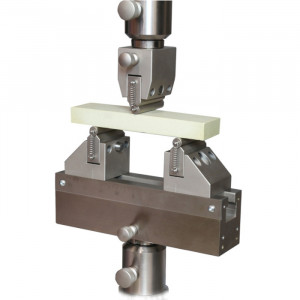
Flexural properties show how materials react to bending. They help in choosing the right materials for engineering. This article explains flexural strength and modulus, how to measure them, and key factors that affect them.
Key Takeaways
-
Flexural properties, including flexural strength and modulus, are essential for evaluating material performance under bending forces, impacting engineering design and structural integrity.
-
Standardized methods, such as the 3-point and 4-point bending tests, provide reliable assessments of flexural properties, aiding material selection for various applications.
-
Factors such as material composition, temperature, and filler content significantly influence flexural properties, making optimization crucial for achieving desired performance.
Fundamentals of Flexural Properties
Flexural properties, including flexural strength and modulus, are vital for understanding material behavior under bending forces. They significantly influence material performance and design decisions in engineering. Knowing these properties helps in creating materials that can withstand bending and deformation, thus ensuring structural integrity and durability.
Flexural strength indicates a material’s resistance to bending under load, showing its ability to avoid deformation. The flexural modulus measures stiffness, reflecting how much a material resists bending. These characteristics are crucial in selecting materials for engineering applications, ensuring durability and performance.
The Role of Flexural Strength
Flexural strength is the maximum stress a material can withstand before failure during bending, including tensile stress. This property is vital in applications where materials must endure bending forces without cracking or breaking. In bridge and building construction, high flexural strength is necessary to maintain structural integrity and safety.
Material composition greatly influences the ability to withstand bending forces and deformation. Flexural strength, determined by the highest stress before failure, is crucial for ensuring materials can handle their intended loads. Knowing these properties aids engineers in designing safer and more durable structures.
Get a Complete Test System for Your Test Application
Completing your material test system is easy. Simply start by choosing a test machine, choose your accessories, and select your controller software. We are your one-stop shop for all your application testing needs.
Request a QuoteBend Test Machines
Get the Highest Value Bend and Flexural Testers
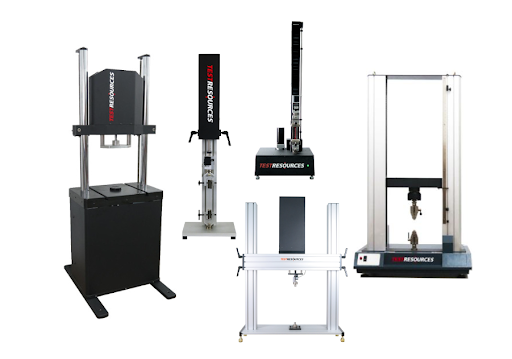
Choose from 38 different models and two different technologies with 100's of configurations which allows you to optimize your testing capabilities and pick exactly what you need.
Newton Test Controller
From simplified test setups to an intuitive controller software interface and pre-configured methods for industry standards - this innovative technology ensures that your test application are conducted seamlessly and with precision.
Accurate & Repeatable Test Results
- Simple test setup, operation, and reporting
- Flexible and scalable software packages - Get what you need now with room to grow!
- Prebuilt test methods for many of the most common application-specific testing standards
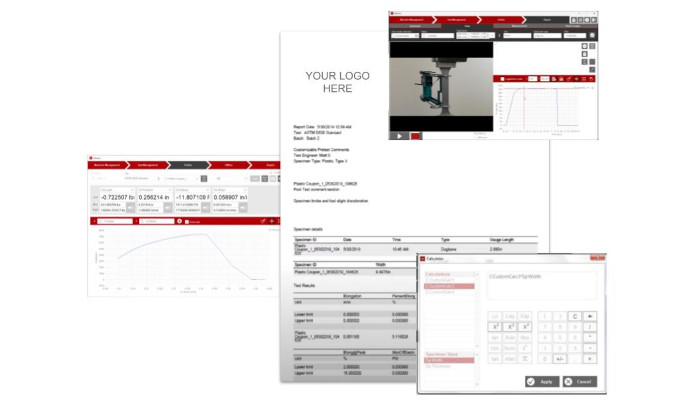
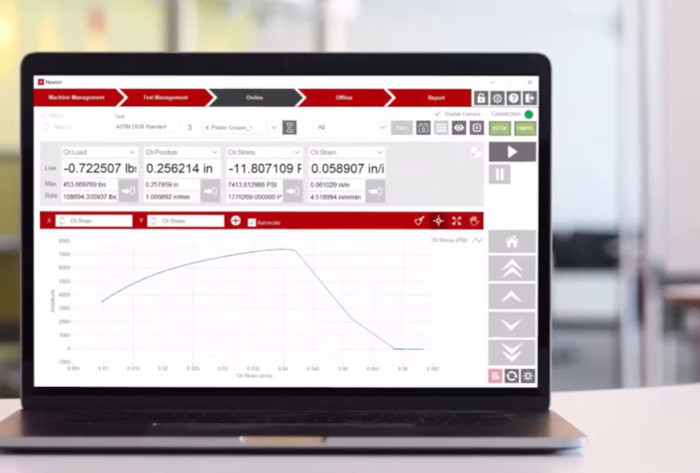
High-performance and easy-to-use controller with logical workflow design
With an intuitive interface, Newton makes it easy for users to navigate through various options and settings, ultimately enhancing the overall user experience. By streamlining complex procedures into user-friendly steps, this software serves both experienced test engineers and beginners alike to conduct tests with confidence and accuracy.
Understanding Flexural Modulus
Flexural modulus measures a material’s resistance to deformation under load, specifically in bending, including the bending modulus. This property is key in assessing material performance under flexural loads, affecting design and material choice. A higher flexural modulus indicates stiffer materials that deform less, important for applications needing minimal bending.
Material composition and temperature greatly influence the flexural modulus, affecting a material’s stiffness. While both flexural and tensile modulus measure stiffness, flexural modulus specifically relates to bending, and tensile modulus to stretching. This distinction is vital for selecting appropriate materials for various applications.
Standard Methods for Measuring Flexural Properties
Standard methods for measuring flexural properties ensure consistency and accuracy in material testing. Common standards like ASTM D790, ISO 178, and ISO 14125 guide the assessment of the flexural characteristics of rigid and semi-rigid plastics. These tests are vital for quality control and specification in engineering.
Technological advancements in flexural testing have improved the accuracy of measuring flexural strength, especially through digitalization and new standardized methods. Digital Image Correlation (DIC) is an optical technique that enhances the precision to measure flexural strength by measuring deformations and strains, providing detailed displacement and strain data.
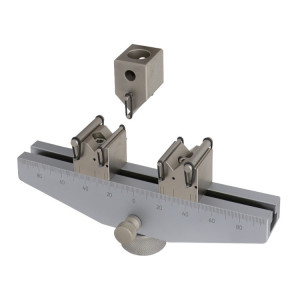
3-Point Bending Test
In the 3-point bending test, a specimen is placed on two supports with a load applied at the midpoint. This method assesses the flexural properties of materials like composites, plastics, and woods in engineering applications, including the flexural test. The load is gradually increased until the specimen fails, with load and deflection recorded.
This test offers valuable insights into a material’s resistance to bending and deformation, aiding engineers and designers in selecting suitable materials for specific applications. The data from the 3-point bending test is essential for understanding a material’s flexural strength, modulus, and resist bending deflection.
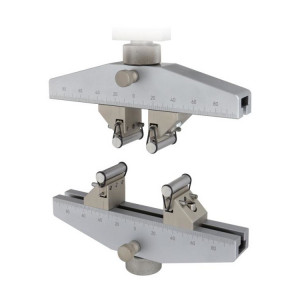
4-Point Bending Test
The 4-point bending test is a standardized method for measuring flexural properties, offering valuable insights into structural performance. A load is applied at two points along a beam supported at both ends, allowing a more uniform distribution of stress. Compared to the 3-point test, the 4-point setup reduces shear force effects, providing a more accurate representation of flexural properties.
The 4-point bending test is advantageous for evaluating thicker materials or those with varying compositions, as it minimizes the impact of localized defects. This test offers a clearer indication of bending strength, making it highly beneficial for brittle and composite materials.
It enables the determination of both flexural strength and modulus in a single setup, enhancing flexural strength testing efficiency.
Talk to one of our Engineers to help you navigate the vast selection of testing accessories to find the perfect fit for your testing application.
Factors Influencing Flexural Properties
Various factors such as material composition, temperature, and filler content influence flexural properties. These factors play crucial roles in determining material behavior under bending forces and significantly impact performance in practical applications.
Material Composition
Material composition greatly influences flexural properties, especially in composites. Reinforced plastics exhibit enhanced flexural strength due to stress redistribution and fillers. Fiber-reinforced polymers typically have much higher flexural strengths than unreinforced variants.
Increasing reinforcement content boosts the flexural modulus, enhancing composite stiffness. However, excessive filler can create stress concentrations, reducing flexural strength. Therefore, optimizing material composition is crucial for improving flexural properties.
Temperature Effects
Flexural strength varies with temperature; some materials weaken at higher temperatures. Thermal conditions can alter material brittleness, affecting flexural performance. This is particularly important for applications in varying thermal environments, where maintaining structural integrity is crucial.
Filler Content
Incorporating fillers into composites can enhance bending strength up to a point, after which performance may decline. The type and amount of reinforcements can significantly alter flexural properties.
Engineers must balance filler content to optimize material performance.
Flexural Properties of Different Materials
Flexural properties vary significantly across different materials, impacting their use in engineering applications. Polymeric materials, for instance, show notable changes in flexural properties under accelerated aging tests, which assess durability under heat, pressure, or chemical exposure. Understanding these variations is crucial for selecting appropriate materials.
Composite materials, reinforced plastics, and unreinforced plastics each possess unique flexural properties that influence their applications. Examining each category reveals how composition and structure impact performance under bending loads.
Composite Materials
Filler content greatly influences the flexural properties of composite materials, affecting both strength and modulus. Increasing filler content generally raises the flexural modulus, enhancing stiffness. However, too much filler can cause stress concentrations, reducing flexural strength.
For example, adding wood flour to composites can increase bending strength up to a certain point; beyond that, strength may decrease due to agglomeration. These insights are crucial for optimizing the design and application of composites.
Learn more about testing composites
Reinforced Plastics
Reinforced plastics combine a polymer matrix with reinforcing agents to enhance mechanical properties. They exhibit high flexural strength, making them suitable for various structural applications. When external forces are applied, stress redistribution occurs, improving load distribution across the material.
Fillers in reinforced plastics significantly enhance flexural properties by increasing stiffness and strength. The right type and amount of filler can optimize performance attributes, maximizing flexural strength.
Overall, reinforced plastics achieve superior flexural properties through effective stress distribution and strategic use of fillers.
Unreinforced Plastics
Unreinforced and reinforced plastics typically have lower flexural strength than reinforced plastics due to a lack of structural support. Their performance highly depends on the polymer’s intrinsic properties, which determine flexibility and resistance to bending.
Their lower flexural strength limits unreinforced plastics in structural roles, making them less suitable for load-bearing applications. These materials lack additional reinforcement, leading to inherent mechanical limitations.
Learn more about testing plastics
Applications of Flexural Properties
Flexural properties, including strength and elastic modulus, are critical for ensuring structural integrity and resilience in engineering designs. They are essential for quality control and specification in engineering.
Understanding these properties helps engineers design materials capable of withstanding real-world demands.
Structural Support
Materials with high flexural strength are critical for maintaining the structural integrity and longevity of buildings and bridges. It ensures beams and bridges withstand bending forces over time, maintaining stability and resisting bending moments.
In bridges and high-rise buildings, materials must maintain stability and resist bending moments for safety and durability. Engineers rely on high flexural strength to achieve these goals.
Everyday Products
Flexural strength is key to the performance and durability of everyday products like automotive components and consumer electronics. High flexural strength helps resist deformation and maintains functionality under stress.
This property ensures everyday items can withstand regular use without failure.
Summary
Understanding flexural properties is fundamental in material science and engineering design. From the basics of flexural strength and modulus to the advanced testing techniques like Digital Image Correlation and Ground Penetrating Radar, these properties ensure that materials can withstand bending forces and maintain structural integrity. The role of material composition, temperature effects, and filler content further highlights the complexity and importance of selecting the right materials for specific applications.
In engineering design, flexural properties are critical for both structural support and everyday products, ensuring safety, durability, and performance. Innovations in testing techniques continue to enhance our ability to accurately assess these properties, paving the way for more reliable and efficient material applications. As we move forward, ongoing advancements will undoubtedly lead to even greater understanding and optimization of material performance.
Frequently Asked Questions
Flexural strength is the maximum stress a material can withstand before failing under bending. This property is crucial in determining the reliability and durability of materials in structural applications.
The 3-point bending test measures the mechanical properties of a material by supporting a specimen on two ends and applying a central load until failure, recording both the load and deflection. This method provides crucial data on the material's strength and flexibility.
Flexural properties are significantly influenced by material composition, temperature, and filler content. These factors play a crucial role in determining the strength and rigidity of the material.
Flexural modulus is important because it quantifies a material's stiffness in bending, reflecting its ability to resist deformation when subjected to load. This property is crucial in applications where structural integrity and performance under stress are essential.
