
Understanding the Tensile Strength of Paper: How to Interpret Tensile Test Results
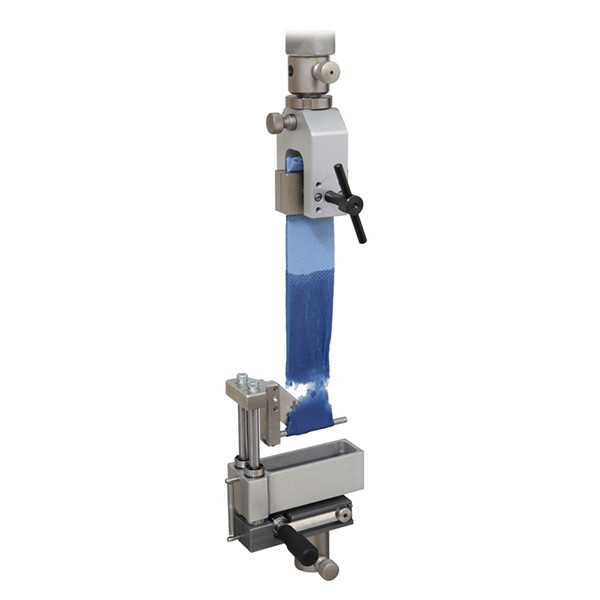
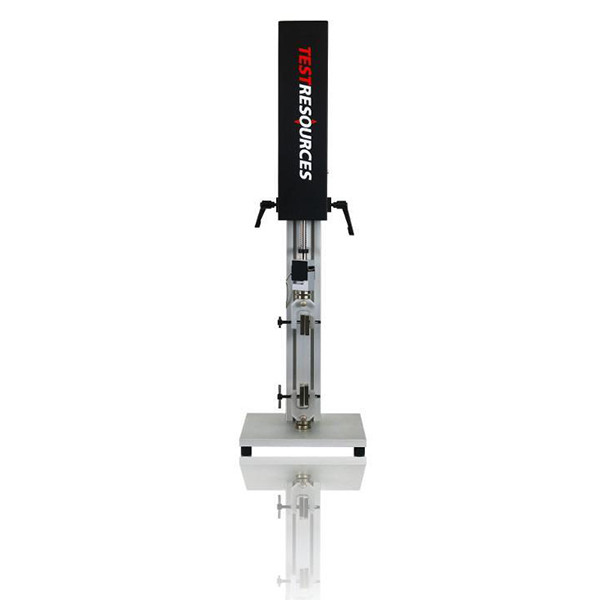
The tensile strength of paper is a fundamental property that plays a critical role in determining the paper's overall performance and suitability for various applications. It is defined as the maximum amount of tensile stress that a paper strip can endure before it breaks. This property is crucial for the paper industry, as it impacts the paper's usability in products ranging from everyday printing papers to specialized packaging papers. The tensile strength of paper is influenced by several factors, including the type of fibers used, the papermaking process, and the paper's basis weight.
Understanding tensile test results is essential for paper manufacturers, as it allows them to fine-tune their production processes to achieve the desired balance of strength and flexibility. For instance, printing papers require a specific tensile strength to ensure they can withstand the mechanical stresses of high-speed printing equipment without tearing or causing a web break. Similarly, packaging papers must possess high tensile strength to endure the rigors of shipping and handling, ensuring the contents remain protected.
Tensile Testing Paper Test Machines
Tensile testing machines are used for assessing the tensile properties of paper, which is important for determining its strength, durability, and overall performance. These machines are specifically designed to measure the tensile strength, tensile energy absorption, and elongation of paper strips or sheets under controlled conditions. By applying a constant rate of elongation to a test specimen, these machines generate a stress-strain curve that provides valuable insights into the paper's mechanical properties.
The use of tensile testing machines is essential for paper manufacturers aiming to produce high-quality, reliable products. These machines help in identifying the paper's inherent strength and its ability to withstand tensile stress without breaking. By testing paper in both the machine direction (MD) and cross direction (CD), manufacturers can better understand the anisotropic behavior of paper, which is critical for optimizing its performance in various applications, such as printing, packaging, and other materials that require specific tensile properties.
Moreover, tensile testing machines are equipped with advanced features that enhance the accuracy and reliability of the tests. These include automated data acquisition systems, precise control of the gauge length, and the ability to test a wide range of paper grades and basis weights. The results obtained from these machines are instrumental in improving the papermaking process, from fiber selection to sheet formation, ensuring that the final product meets the desired standards of strength and flexibility.
In addition to their application in the paper industry, tensile testing machines are also used for testing other materials, such as paperboard and packaging papers, which require high tensile strength to withstand the stresses of handling and transportation. By adhering to international standards, such as ASTM D828 and ISO 1924/2, these machines ensure consistency and accuracy in tensile testing, fostering trust and reliability in the paper's performance across various markets.
Overall, tensile testing paper test machines are indispensable tools for the paper industry, enabling manufacturers to fine-tune their production processes and develop superior products that meet the evolving needs of consumers and businesses alike.
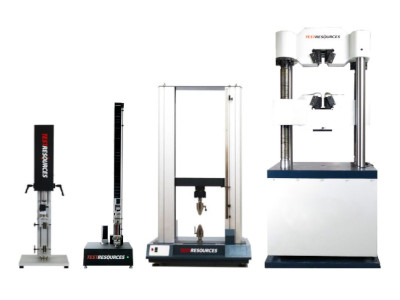
Tensile Test Machines
Get the Highest Value Tensile Testers
Choose form 38 different models and two different technologies with 100's of configurations which allows you to optimize your testing capabilities and pick exactly what you need.
Select Tensile Test MachinesTensile Strength Test Results
Interpreting tensile test results involves analyzing various metrics, such as the tensile index and tensile energy absorption (TEA). The tensile index, calculated by dividing the tensile strength by the paper's basis weight, provides insights into the paper's strength-to-weight ratio. This index is particularly useful for comparing different paper grades and determining their suitability for specific applications. On the other hand, tensile energy absorption measures the paper's ability to absorb energy before failure, offering a comprehensive view of its durability under stress.
By examining these metrics, manufacturers can identify areas for improvement in the papermaking process, such as fiber selection, refining, and sheet formation. This data-driven approach enables the development of high-quality, reliable paper products that meet the demands of modern consumers and industries. Additionally, adhering to international standards, such as ASTM D828 and ISO 1924/2, ensures consistency and accuracy in tensile testing, fostering trust and reliability in the paper's performance across various markets.
In conclusion, understanding and interpreting tensile test results is pivotal for optimizing paper products and enhancing their performance in diverse applications. By leveraging these insights, the paper industry can continue to innovate and deliver superior products that meet the evolving needs of consumers and businesses alike.
Accessories for Tensile Testing Paper
To accurately measure the tensile strength and other tensile properties of paper, various accessories are used alongside tensile testing machines. These accessories enhance the precision, reliability, and efficiency of the testing process, ensuring that the results are consistent and meet industry standards. Here are some key accessories commonly used in tensile testing of paper:
-
Grips and Fixtures: These are essential for securely holding the paper strip or sheet in place during the tensile test. Different types of grips are available, including pneumatic, mechanical, and wedge grips, each designed to accommodate various paper grades and thicknesses. Proper gripping ensures that the test specimen is subjected to uniform tensile stress, reducing the risk of slippage or uneven force distribution.
-
Extensometers: Extensometers measure the elongation of the paper specimen during the tensile test. They provide precise data on the paper's elasticity and stretch, which are crucial for understanding its tensile properties. Advanced extensometers can capture real-time data, allowing for a detailed analysis of the paper's behavior under stress.
-
Load Cells: Load cells are used to measure the force applied to the paper specimen during the test. They convert the mechanical force into an electrical signal, which is then analyzed to determine the tensile strength and other related properties. High-quality load cells are essential for accurate and reliable measurements.
-
Environmental Chambers: These chambers control the temperature and humidity during the tensile test, ensuring that the testing conditions mimic real-world environments. This is particularly important for papers that are sensitive to changes in environmental conditions, as it ensures the test results are relevant and applicable to actual use scenarios.
-
Software and Data Acquisition Systems: Modern tensile testing machines are equipped with software and data acquisition systems that automate the recording and analysis of test data. These systems provide detailed reports on tensile strength, tensile energy absorption, and other key metrics, facilitating a comprehensive understanding of the paper's tensile properties.
Get a Complete Test System for Your Test Application
Completing your material test system is easy. Simply start by choosing a test machine, choose your accessories, and select your controller software. We are your one-stop shop for all your application testing needs.
Request a QuoteUnderstanding Tensile Properties of Paper
Tensile properties of paper are a crucial aspect of its physical characteristics, determining its strength, durability, and resistance to deformation. Tensile strength, in particular, is a measure of the maximum stress a paper strip can withstand before rupturing. This property is vital for paper manufacturers as it directly impacts the paper’s performance in various applications, such as printing, packaging, and tissue products. For instance, high tensile strength is essential for packaging papers to endure the rigors of handling and transportation, while printing papers require a balance of strength and flexibility to ensure smooth operation in printing presses. Understanding these tensile properties allows manufacturers to tailor their products to meet specific needs, ensuring reliability and customer satisfaction.
Tensile Testing of Paper
Tensile testing of paper involves measuring the tensile properties of a paper strip or sheet under controlled conditions. The test specimen, typically a paper strip, is cut to a specific size and shape, then subjected to a constant rate of elongation using a tensile tester. This process generates a stress-strain curve, which provides valuable insights into the paper’s tensile strength, tensile energy absorption, and elasticity. By performing tensile testing in both the machine direction (MD) and cross direction (CD), manufacturers can evaluate the paper’s anisotropic behavior, which is crucial for understanding how the paper will perform under different conditions. This comprehensive analysis helps in optimizing the paper’s composition and manufacturing process to achieve the desired tensile properties.
Interpreting Tensile Test Results
Interpreting tensile test results requires a thorough understanding of the paper’s physical properties and the testing conditions. One key metric is the tensile index, which is calculated as the tensile strength divided by the basis weight. This index provides a useful measure of the paper’s strength-to-weight ratio, offering insights into its efficiency and performance. Another important metric is the tensile energy absorption (TEA), derived from the area under the load-elongation curve. TEA represents the work done in breaking the paper strip, indicating the paper’s ability to absorb energy under stress. By analyzing these results, paper manufacturers can optimize their production processes, improve product quality, and reduce material waste, ultimately leading to more efficient and sustainable operations.
International Standards for Paper Testing
International standards for paper testing, such as ASTM D828 and ISO 1924/2, provide a framework for ensuring consistency and accuracy in tensile testing. These standards specify the testing conditions, specimen preparation, and data analysis procedures to ensure reliable and comparable results. Adhering to these standards is crucial for paper manufacturers, as it ensures that their products meet industry requirements and customer expectations. By following these guidelines, manufacturers can maintain high quality and performance standards, fostering trust and reliability in their products across different markets and applications.
Applying Tensile Test Results in Practice
Tensile test results have numerous practical applications in the paper industry. For example, paper manufacturers can use tensile strength data to optimize their production processes, such as adjusting the refining process or modifying the paper’s fiber composition. Packaging papers, in particular, require high tensile strength to withstand the stresses of handling and transportation. By applying tensile test results, manufacturers can develop high-performance products that meet the demands of various applications, from printing papers to tissue products. This data-driven approach not only enhances product quality but also contributes to more efficient and cost-effective manufacturing processes, ultimately benefiting both the manufacturer and the end-user.
Tensile Strength of Paper FAQs
Understanding the tensile strength of paper is essential for both consumers and manufacturers, as it influences the paper's usability in various applications. Here are some frequently asked questions that provide deeper insights into this critical property:
The tensile strength of paper refers to the maximum tensile stress that a paper strip can withstand before breaking. It is a key indicator of the paper's durability and is crucial for applications such as printing, packaging, and more.
The tensile strength of paper varies depending on its type and intended use. Generally, packaging papers have higher tensile strength compared to printing papers due to their need to endure greater stress during handling and transportation.
Tensile strength is measured using a tensile tester, which subjects a paper strip to a constant rate of elongation until it breaks. The stress-strain curve generated during this process provides valuable information about the paper's tensile properties, such as tensile energy absorption and elasticity.
Testing the tensile strength is crucial for ensuring that the paper meets the required standards for its intended application. It helps manufacturers optimize their production processes and enhance the quality and performance of their products.
Standards such as ASTM D828 and ISO 1924/2 provide guidelines for conducting tensile tests on paper. Adhering to these standards ensures consistency and accuracy in the testing process, fostering trust in the paper's performance across various markets.
The papermaking process, including fiber selection, refining, and sheet formation, significantly impacts the tensile strength of paper. Manufacturers can adjust these factors to achieve the desired balance of strength and flexibility.
While professional testing requires specialized equipment, a basic understanding of tensile strength can be gained by manually pulling a paper strip until it breaks. However, this method lacks the precision and accuracy of standardized testing.
Paper exhibits different tensile properties in the machine direction (MD) and cross direction (CD). Understanding these differences is crucial for predicting how the paper will perform under various conditions.
By addressing these FAQs, we aim to provide a comprehensive understanding of the tensile strength of paper, its significance, and the factors that influence it. This knowledge is invaluable for anyone involved in the paper industry, from manufacturers to end-users, as it helps ensure that paper products meet the necessary performance standards for their intended applications.
