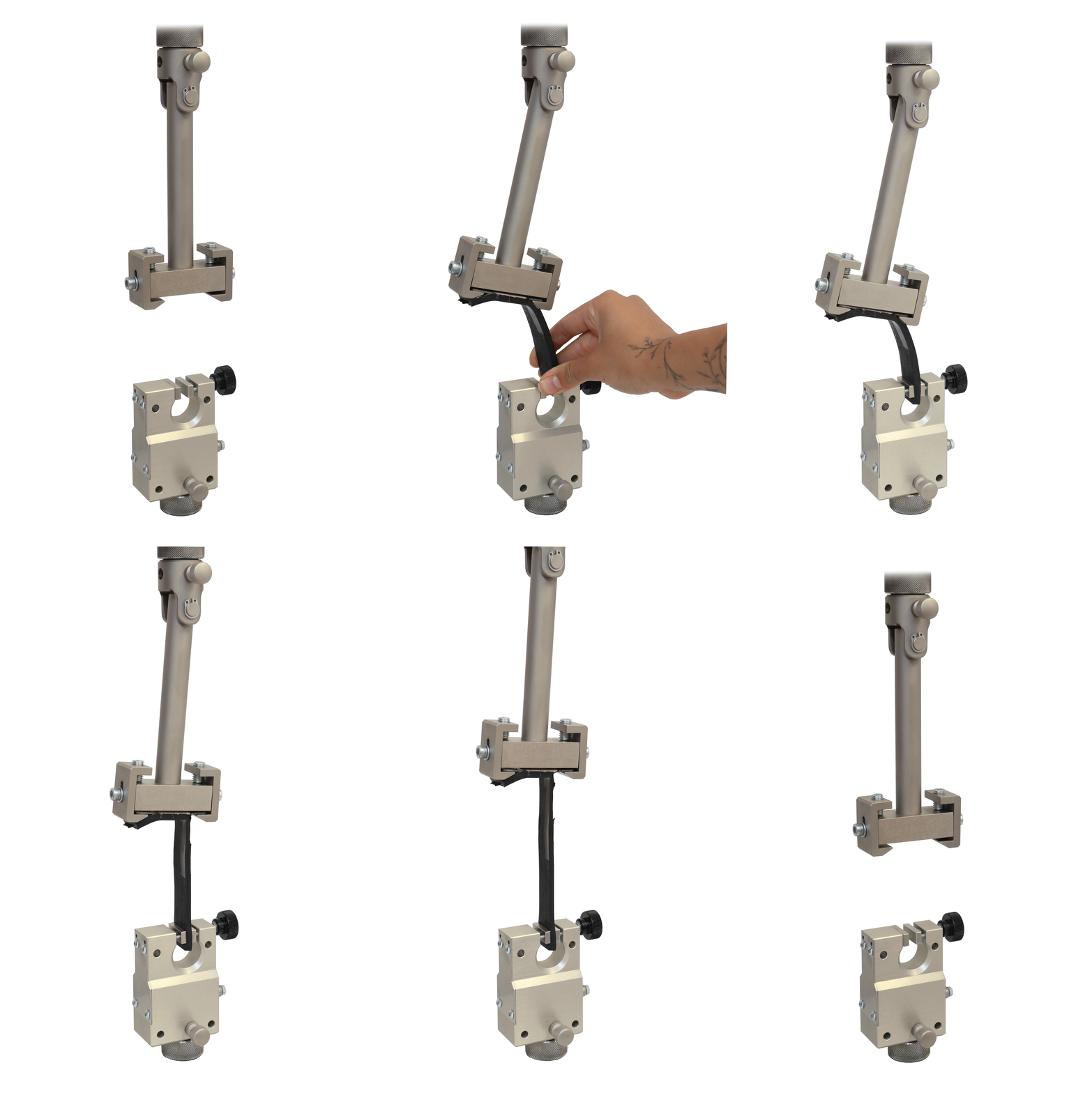
ASTM D3759 Tensile and Elongation of Pressure-Sensitive Tapes
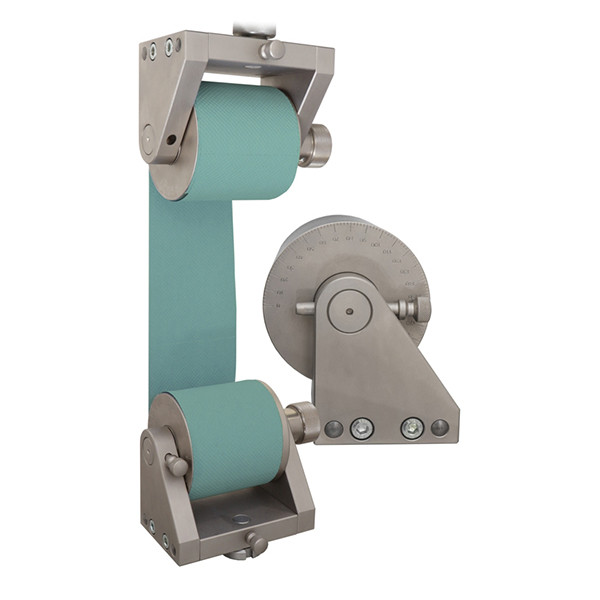
Need to understand ASTM D3759? This standard tests the tensile strength and elongation of pressure-sensitive tapes, ensuring they meet performance criteria. Read on to learn about its methods, key components, and why it’s crucial for quality control.
Key Takeaways
-
ASTM D3759 provides standardized methods for measuring the tensile strength and elongation of pressure-sensitive tapes, essential for evaluating their mechanical properties.
-
The standard includes various testing methods such as machine direction and cross-direction tests to assess tape performance under different conditions.
-
Adherence to ASTM D3759 ensures quality control, enhances performance, and is crucial for applications in specialized industries like aerospace and automotive.
Overview of ASTM D3759
ASTM D3759 is a comprehensive standard that outlines methods for tensile and elongation testing of pressure-sensitive tapes. This standard, crucial for determining a material’s strength and ductility, provides a framework for measuring both the tensile strength and the elongation at break of these tapes.
Adherence to ASTM D3759 enables manufacturers to meet performance criteria and compare various tape products effectively.
Key Components of ASTM D3759
ASTM D3759 measures tensile strength and elongation properties of pressure-sensitive tapes, making it essential for material evaluation. The standard includes four official methods for testing tensile breaking strength, ensuring comprehensive assessment of the tapes’ mechanical properties.
Tensile Strength Measurement
Tensile strength measurement under ASTM D3759 is designed to assess the breaking strength and elongation of pressure-sensitive adhesive tapes. The ultimate tensile strength (UTS) is a key metric, indicating the maximum load a tape can withstand before breaking. This standard encompasses procedures for measuring both tensile stress and yield strength, ensuring they meet specific material specifications and assist in comparing various products. Additionally, a tensile test is conducted to evaluate these properties.
Adherence to ASTM D3759 facilitates the assessment of the relative strength of tapes used in sound dampening, electrical insulation, and thermal sealing.
Elongation at Break
Elongation at break measures the stretching ability of materials until they fail, which is crucial for understanding a tape’s performance under stress. This value indicates the change between a material’s starting length and how much it has stretched, expressed as a percentage. The formula for calculating elongation at break is straightforward:
The formula for Elongation at Break is (Final Length - Original Length) / Original Length x 100%, indicating the percentage length increase.
Polymer content and backing material significantly affect elongation at rupture, with higher polymer content generally increasing it.
Stretch Force Procedure
ASTM D3759 standardizes the procedure for obtaining stretch force, crucial for evaluating pressure-sensitive tapes. This procedure includes specific measurements and equipment necessary to accurately determine the stretch force applied to the tape during testing, ensuring reliable and consistent results.
Types of Tests Included in ASTM D3759
ASTM D3759 includes procedures for machine direction tests, cross-direction tests, and tests for tapes with low and high stretch and reinforced backings. These tests are designed to comprehensively evaluate the performance of pressure-sensitive tapes under various conditions.
Machine Direction Tests
Machine direction tests evaluate elongation and breaking strength by applying force parallel to the tape’s length. These tests are crucial for understanding tensile strength and elongation when tapes are pulled along their length, important for tapes with directional strength.
Cross-Direction Tests
Cross-direction tests evaluate the performance and characteristics of pressure-sensitive tapes across their width. These tests determine tape performance in real-world applications where forces are applied in multiple directions.
The ASTM D3759 standard outlines specific methodologies for conducting cross-direction tests to ensure accurate and reliable results. Test results inform manufacturers about potential improvements in tape design.
Tests for Reinforced Backings
Testing for reinforced tapes includes specific protocols to assess their durability and strength under stress. These tests focus on examining the unique properties and requirements of tapes with reinforced backings, ensuring their performance under stress.
Importance of ASTM D3759 Standards
ASTM D3759 standards are crucial for ensuring consistent quality and performance in pressure-sensitive tapes. The standard test method ensures consistent quality and meets specific performance criteria.
Ensuring Quality Control
Measurements under ASTM D3759 ensure that converters’ products meet specific strength and elongation standards. These standards specify the strength of pressure-sensitive tapes in industrial applications, ensuring consistent and reliable elongation measurements.
Calibration of testing machines is crucial to ensure consistent and accurate measurements.
Enhancing Performance
Compliance with ASTM D3759 standards enhances tape performance characteristics to meet various application demands. In specialized sectors such as aerospace, these standards ensure that pressure-sensitive tapes meet stringent performance requirements critical for safety and functionality.
These guidelines help manufacturers detect tape defects, improving product reliability.
Practical Applications of ASTM D3759
The ASTM D3759 standard provides critical data for product design and quality assurance in pressure-sensitive tapes. This standard helps maintain the reliability and durability of adhesive tapes across various industries, facilitating the production of stronger, more efficient products.
Industrial Uses
The standards set by ASTM D3759 contribute to improved operational efficiency and performance consistency in adhesive tapes. The elongation at break and tensile strength data derived from these tests are vital for determining a tape’s suitability for its intended application.
These standards help manufacturers optimize the performance and reliability of tapes for various industrial applications.
Consumer Products
Pressure-sensitive tapes tested under ASTM D3759 standards find applications in consumer products such as packaging, household items, and stationery. These standards guarantee that pressure-sensitive tapes meet quality and performance requirements for consumer products.
Specialized Applications
Pressure-sensitive tapes tested under ASTM D3759 are widely used in aerospace applications, where tensile strength and elongation are critical for safety and compliance. Pressure sensitive tape is essential in these scenarios.
In automotive applications, these tapes offer reliable adhesion and flexibility, withstanding various stressors and maintaining durability. Overall, ASTM D3759 ensures that pressure-sensitive tapes meet stringent performance criteria essential in specialized sectors.
Factors Affecting Test Results
Various factors can impact the results of ASTM D3759 tests, including environmental conditions, sample preparation, and equipment calibration. These factors can lead to variability in testing outcomes, highlighting the importance of standardized procedures.
Environmental Conditions
Higher temperatures generally lead to increased elongation at break values, while high humidity levels can lead to plasticization of certain materials, affecting their elongation. Excessive humidity can weaken paper backing materials by causing water absorption, which decreases breaking strength.
Proper sample handling is vital, as contaminants or improper storage can significantly impact test results.
Material Properties
The formation of carbonyl groups during degradation significantly affects higher elongation at break. Elongation and tensile strength are key mechanical properties. These properties are utilized to assess photodegradation in polymeric materials. Proper sample handling and consistent environmental conditions are crucial for accurate test results.
Material properties, temperature, and time under load influence elongation at break.
Test Machines for ASTM D3759
Machines used for ASTM D3759 testing are designed to measure tensile strength and elongation accurately under tensile load. These machines typically include digital load cells for precise measurement and operate at a specified grip separation speed to ensure consistent results. Calibration of test machines ensures compliance with ASTM D3759 standards.
The standard requires a constant-rate-of-extension (CRE) machine for measuring tensile strength and elongation in pressure-sensitive tapes. Testing can be conducted on tapes as wide as 48 mm but generally avoids widths exceeding this due to equipment limitations.
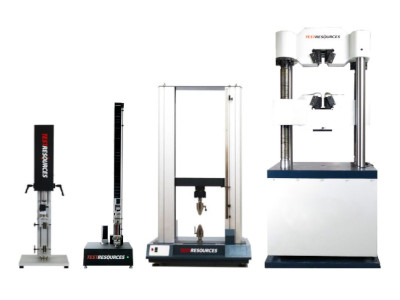
Tensile Test Machines
Get the Highest Value Tensile Testers
Choose form 38 different models and two different technologies with 100's of configurations which allows you to optimize your testing capabilities and pick exactly what you need.
Select Tensile Test MachinesCommon Challenges in ASTM D3759 Testing
Inconsistent test results can arise if the correct test procedure is not followed, particularly regarding the expected elongation and pull direction. Correct test procedures in ASTM D3759 are crucial for accurate and reliable results.
Variability in Results
Variability in results may arise from multiple sources during the testing process. Environmental conditions such as temperature and humidity can significantly influence test outcomes. The material properties, including composition and microstructure, play a crucial role in determining tensile and elongation outcomes.
Proper handling and sample preparation are essential to mitigate variability in ASTM D3759 testing. Accurate interpretation of data can also help in understanding and addressing variability in test results.
Handling and Preparation
Proper sample preparation is crucial, as improper handling can lead to defects that skew test results.
Interpretation of Data
Interpreting ASTM D3759 data requires understanding the context to draw accurate conclusions about material performance. Understanding the context of the data is crucial for accurate interpretation, as different materials may show varying responses under similar testing conditions.
Accurate interpretation of test data requires understanding material properties and test method.
Comparison with Other Standards
Knowing the differences between ASTM D3759 and other standards ensures accurate testing and quality assurance. ASTM D3759 focuses on pressure-sensitive tapes, while standards like ASTM D882, ISO 527, and ASTM D3330 have different scopes and methodologies, making it vital to understand these distinctions.
ASTM D882
ASTM D882 primarily focuses on the tensile properties of plastic films, emphasizing elongation to break and tensile strength under specific conditions. Unlike ASTM D3759, which is tailored for tape materials, ASTM D882 employs specific test sample dimensions and configurations suited for thin films, affecting the resulting tensile strength and elongation values.
Jaw configurations in ASTM D882 testing differ from those in ASTM D3759, impacting the results.
ISO 527
ISO 527 provides a detailed framework for tensile testing of plastics and shares some methodologies with ASTM D3759, particularly in measuring elongation at break. While both standards evaluate similar mechanical properties, ISO 527 includes additional classifications for different plastic types and specimen shapes, facilitating comparisons across various plastic products.
ASTM D3330
ASTM D3330 is specifically designed to evaluate the peel adhesion of pressure-sensitive tapes. This test assesses adhesion uniformity within a roll of tape, between different rolls, or across production lots.
Typically performed using a Universal Testing Machine (UTM), ASTM D3330 focuses primarily on peel adhesion characteristics rather than tensile strength and elongation.
Get a Complete Test System for Your Test Application
Completing your material test system is easy. Simply start by choosing a test machine, choose your accessories, and select your controller software. We are your one-stop shop for all your application testing needs.
Request a QuoteFuture Trends in Tape Testing
Technological advancements are leading to smart packing solutions with sensors and IoT technology, enhancing tape performance. Future packing tapes may incorporate features that monitor package conditions during shipping, further improving security and efficiency.
These innovations will likely drive the development of even more robust and versatile pressure-sensitive tapes, ensuring they meet the evolving demands of various industries.
Summary
In summary, ASTM D3759 is a critical standard for evaluating the tensile strength and elongation properties of pressure-sensitive tapes. By adhering to this standard, manufacturers can ensure consistent quality and performance, enhancing the reliability of their products across various applications. From industrial uses to consumer products and specialized sectors like aerospace, ASTM D3759 provides the framework for producing high-quality adhesive tapes. Understanding the key components, types of tests, and factors affecting test results is essential for accurate testing and quality assurance. As we look to the future, advancements in technology will continue to shape the landscape of tape testing, driving innovation and performance.
Frequently Asked Questions
ASTM D3759 specifically addresses the measurement of tensile strength and elongation properties of pressure-sensitive tapes, providing essential standards for evaluating their performance.
ASTM D3759 encompasses machine direction and cross-direction tests, as well as assessments for tapes featuring both low and high stretch, in addition to reinforced backings.
ASTM D3759 does provide a procedure for obtaining stretch force. This standard outlines the necessary methods for accurately measuring this parameter.
ASTM D3759 focuses on the tensile properties specific to tape materials, while ASTM D882 is designed for evaluating the tensile properties of plastic films, particularly elongation to break and tensile strength.
Adhering to ASTM D3759 standards is essential for maintaining consistent quality and performance in pressure-sensitive tapes, which in turn ensures reliability across various applications. Compliance with these standards facilitates effective comparisons and enhances overall product trustworthiness.