Understanding ASTM E466: Axial Fatigue Testing for Metallic Materials
ASTM E466 is a standard for fatigue testing of metallic materials. It assesses how materials withstand repeated stress, crucial for predicting performance in real-world conditions. This article dives into ASTM E466’s methodology, specimen preparation, and result interpretation.
Key Takeaways
-
ASTM E466 outlines a systematic approach for fatigue testing of metallic materials, focusing on both unnotched and notched specimens under controlled conditions.
-
The standard emphasizes the importance of specimen preparation, including surface finish and alignment, to ensure accurate and reliable fatigue test results.
-
Understanding the distinctions between high cycle and low cycle fatigue is essential for selecting appropriate testing methodologies based on expected material behavior under operational conditions.
Understanding ASTM E466
ASTM E466 is a globally recognized standard that provides a systematic approach to fatigue testing of metallic materials. This standard is specifically designed to measure the fatigue strength of unnotched and notched axial specimens under constant amplitude loading at ambient temperature. Both upon initial loading and throughout the test, the strains are predominantly elastic, highlighting the importance of understanding material behavior under these conditions for accurate fatigue strength determination.
ASTM E466 applies to both unnotched and notched specimens, enabling a thorough evaluation of material fatigue resistance and performance under various stress scenarios. The standard was formulated according to international standardization principles established by the World Trade Organization (WTO), ensuring its relevance and applicability on a global scale.
ASTM E466 recommends controlling nuisance variables like hardness and grain size to ensure comparable fatigue data across laboratories. This approach is vital for obtaining reliable results that predict material fatigue life under cyclic loading.
Key Definitions and Terminology
Familiarity with fatigue testing terminology is crucial for interpreting results and comparing data. ‘Fatigue life’ refers to the number of cycles a material can withstand before failure from repeated loading, helping engineers predict material longevity under operational conditions.
‘Cyclic loading’ refers to the application of fluctuating stress over time, potentially leading to fatigue failure. In constant amplitude axial fatigue testing, the stress remains consistent, simulating typical service conditions for controlled fatigue resistance evaluation.
Fatigue testing is generally categorized into two regimes: low cycle fatigue (LCF) and high cycle fatigue testing (HCF). LCF is characterized by high strain amplitudes and failure occurring after fewer than 10,000 cycles, whereas HCF involves low strain amplitudes with failure occurring after more than 10,000 cycles. Understanding these distinctions within the fatigue regime is crucial for selecting the appropriate testing methodology based on the material’s expected service environment.
Test Methodology
ASTM E466 outlines a methodology to measure the fatigue strength of metallic materials under controlled conditions. This methodology assesses the performance of metallic materials subjected to direct stress under controlled conditions. It involves conducting axial force fatigue tests on unnotched and notched specimens, focusing on elastic strain behavior. This method does not apply to full-scale components or consumer products.
Accurate specimen alignment with the load axis is essential for consistent and repeatable results. Misalignment introduces additional stresses that can distort findings on material fatigue resistance. To ensure result comparability and reproducibility, a round-robin test program may be conducted, controlling variables like hardness and surface finish.
The standard stresses the importance of reporting all material variables and testing procedures. This transparency ensures effective correlation and reproducibility of findings across laboratories, making the data reliable and applicable in real-world scenarios.
Specimen Preparation
Proper specimen preparation is vital for reliable and valid fatigue test results. ASTM E466 tests both unnotched and notched specimens under repeated stress to evaluate metal fatigue strength. Adhering to ASTM E466 standards in specimen preparation ensures accurate and reliable test outcomes.
The preparation process involves careful machining, as techniques used can significantly impact fatigue life. Surface condition and finish are particularly important, as variations can substantially affect fatigue resistance. A proper surface finish is crucial to avoid stress risers or crack initiation sites that could cause premature failure.
Surface quality is crucial for fatigue resistance, as roughness and defects create stress concentrations that reduce fatigue life. Controlling variables like surface finish and grain size during testing ensures reliable and comparable data. This attention to detail in specimen preparation ensures accurate reflection of the material’s true fatigue performance.
Testing Machines and Equipment
ASTM E466 specifies using testing machines that apply a periodic forcing function and direct stress to axial unnotched and notched specimens. These machines must ensure constant amplitude loading at room temperature to maintain the reliability of test results.
Documenting all testing conditions and variable controls enhances the reproducibility and correlation of results across laboratories. This documentation provides a clear understanding of the testing environment, ensuring reliable and comparable data for design applications.
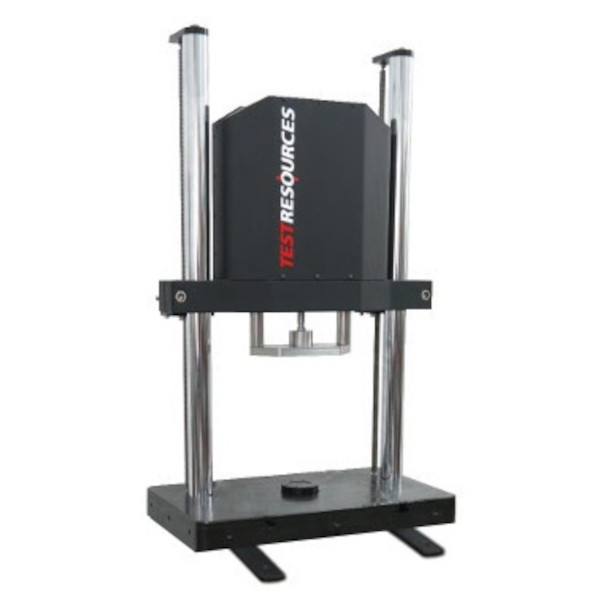
We recommend using our 810E5-30 Tabletop Fatigue Test Machine or our 820E6-50 Floorstanding Fatigue Test Machines
Due to the massive selection of products that we offer, it can be difficult to narrow down what you need. Let us help you select and configure based on your testing application.
Newton Test Controller
From simplified test setups to an intuitive controller software interface and pre-configured methods for industry standards - this innovative technology ensures that your test application are conducted seamlessly and with precision.
Accurate & Repeatable Test Results
- Simple test setup, operation, and reporting
- Flexible and scalable software packages - Get what you need now with room to grow!
- Prebuilt test methods for many of the most common application-specific testing standards
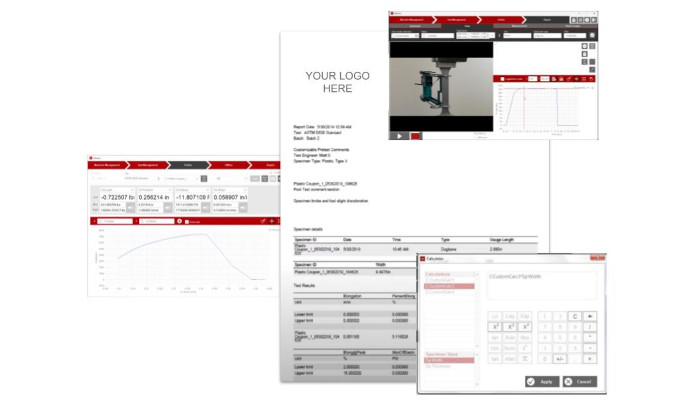
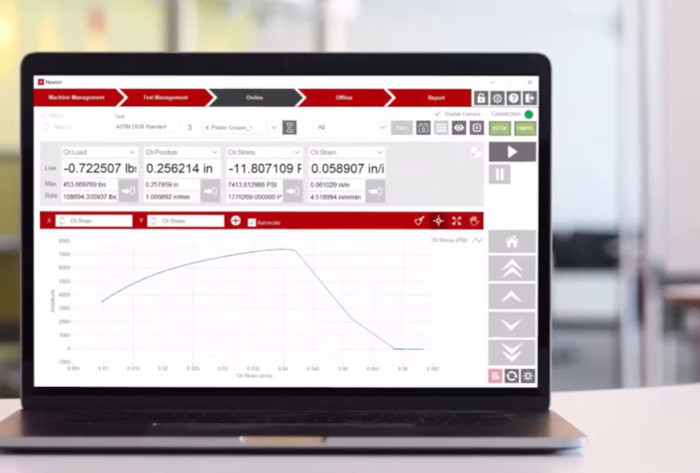
High-performance and easy-to-use controller with logical workflow design
With an intuitive interface, Newton makes it easy for users to navigate through various options and settings, ultimately enhancing the overall user experience. By streamlining complex procedures into user-friendly steps, this software serves both experienced test engineers and beginners alike to conduct tests with confidence and accuracy.
Interpreting Results: S-N Curve Analysis
The S-N curve, also known as the Woehler curve, is a fundamental tool in fatigue testing. It illustrates the relationship between cyclic stress amplitude and the number of cycles until failure, typically plotted on a double logarithmic scale. This curve provides a visual representation of a material’s fatigue strength and resistance under cyclic loading conditions.
Interpreting the S-N curve requires understanding how stress amplitudes affect the number of cycles a material endures before failure. Tests for the S-N curve apply constant amplitude cyclic stress until failure, with some tests noting infinite life if cycles exceed one million.
This analysis aids engineers in assessing material durability and reliability under varying stress conditions.
ASTM E466 Test Accessories
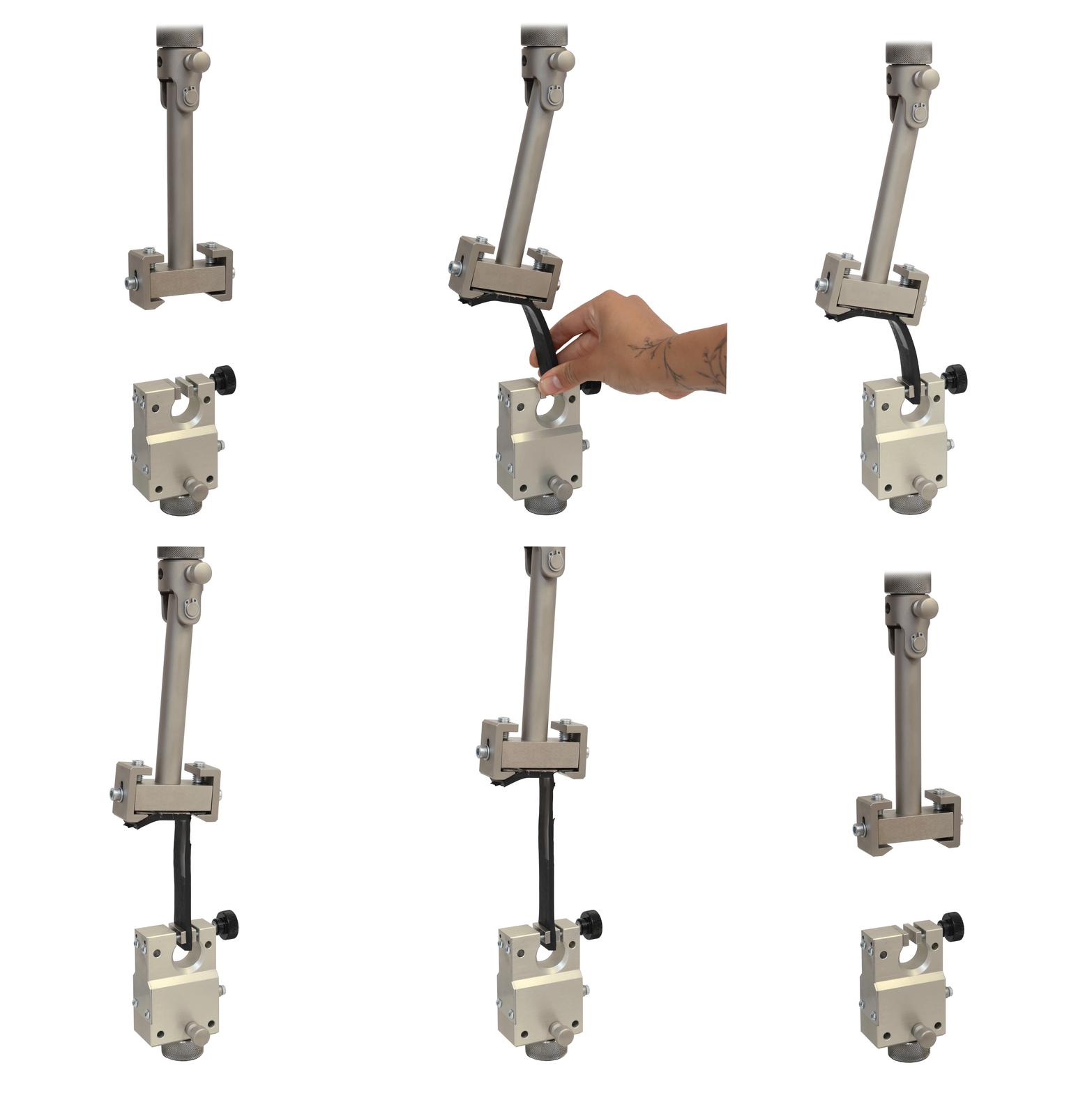
Test accessories are integral to the ASTM E466 methodology, as they enhance the precision and reliability of fatigue tests. By ensuring proper specimen handling, alignment, and data collection, these accessories contribute to the generation of dependable fatigue data. This data is crucial for predicting material performance in real-world applications, enabling engineers to design components that withstand repeated stress effectively.
Investing in high-quality ASTM E466 test accessories is essential for any laboratory conducting fatigue testing. These components not only facilitate accurate testing but also ensure compliance with the standard's requirements, leading to reliable and reproducible results across different testing environments.
Talk to one of our Engineers to help you navigate the vast selection of testing accessories to find the perfect fit for your testing application.
Conducting Constant Amplitude Axial Fatigue Tests
Constant amplitude axial fatigue tests apply continuous, uniform loading conditions to assess the fatigue resistance of metallic materials. These tests typically involve many cycles, thoroughly evaluating material performance under controlled axial stress.
Consistency in testing conditions is essential for generating comparable fatigue data across laboratories. Managing variables like material properties and surface conditions ensures reliable results. The standard practice focuses on unnotched and notched specimens under constant amplitude cyclic loading at ambient temperature.
The procedure targets axial unnotched and notched specimens subjected to consistent stress throughout the test. This approach accurately assesses material fatigue resistance under repeated direct stress, offering valuable insights into real-world performance.
High Cycle vs. Low Cycle Fatigue
High cycle fatigue (HCF) and low cycle fatigue (LCF) are two distinct regimes, each offering different insights into material performance. HCF typically covers fatigue life between 10,000 and 2 million cycles, with materials enduring over one million cycles indicating strong fatigue resistance. The S-N curve for HCF can show varied trends, including a horizontal plateau for materials like ferritic steels. Materials failing before a set number of cycles in HCF tests lack fatigue resistance. HCF testing is sensitive to factors like material composition and microstructure, while LCF is influenced by cyclic stress amplitude and temperature.
Low cycle fatigue testing often simulates conditions with rapid pressure and temperature changes, common in industrial applications. High cycle fatigue, on the other hand, mimics environments like automobile suspension springs under road vibrations. Choosing between these tests depends on the material’s stress response and specific applications.
Factors Affecting Fatigue Resistance
Several factors can affect the fatigue resistance of metallic materials. ASTM E466 allows the evaluation of how variations in material properties, geometry, and surface conditions influence fatigue performance. The axial fatigue test assesses the impact of these factors under repeated direct stress.
Material microstructure, including grain size and phase distribution, can significantly affect fatigue behavior. Environmental factors like temperature and corrosive environments can also adversely impact fatigue life. Additionally, residual stresses from manufacturing processes can either enhance or reduce fatigue resistance, depending on their nature.
Results from ASTM E466 tests are applicable to design only when testing conditions replicate actual service conditions. This ensures the data is relevant and can predict material performance in real-world applications.
Standard Practice for Axial Unnotched and Notched Specimens
Testing axial unnotched and notched specimens under constant amplitude loading at room temperature is a key aspect of ASTM E466. This method assesses the fatigue strength of metallic materials primarily under elastic strain conditions, evaluating how variations in material properties and conditions impact fatigue resistance under repeated direct stress.
Specimen test conditions must closely mimic actual service conditions to ensure the applicability of the test method results to real-world designs. The outcomes of axial force fatigue tests are applicable in design when test conditions accurately replicate actual service conditions, ensuring relevant data for predicting material performance in real-world scenarios.
Summary
In summary, ASTM E466 provides a comprehensive framework for conducting fatigue testing of metallic materials. By following this standard, engineers can obtain reliable and reproducible data on the fatigue strength and resistance of materials, which can then be used to inform design decisions. The importance of proper specimen preparation, consistent testing conditions, and accurate interpretation of results cannot be overstated.
Ultimately, understanding how materials perform under repeated stress is crucial for designing durable and reliable products. ASTM E466 serves as an essential tool in this endeavor, helping to ensure the safety and longevity of metallic components across various industries.
Get a Complete Test System for Your Test Application
Completing your material test system is easy. Simply start by choosing a test machine, choose your accessories, and select your controller software. We are your one-stop shop for all your application testing needs.
Request a QuoteFrequently Asked Questions
ASTM E466 is a standard practice developed by ASTM International for conducting fatigue tests of metallic materials.
The purpose of ASTM E466 is to establish a standardized method for assessing the fatigue strength of metallic materials under elastic strain conditions, focusing on testing both unnotched and notched axial specimens at constant amplitude loading. This ensures reliable and consistent evaluation of material performance.
Specimen preparation is essential as it directly influences the fatigue life of materials through factors such as machining techniques and surface finish. Ensuring proper preparation leads to accurate and reliable test results that truly reflect the material's fatigue performance.
The S-N curve, or Woehler curve, is crucial as it demonstrates the relationship between cyclic stress amplitude and the number of cycles to failure, indicating a material’s fatigue strength under cyclic loading. This information is essential for engineers to predict material performance and ensure reliability in applications subject to repeated stress.
The primary difference between high cycle fatigue (HCF) and low cycle fatigue (LCF) lies in the strain amplitudes and the number of cycles to failure. HCF occurs under low strain amplitudes over more than 10,000 cycles, while LCF occurs under high strain amplitudes and fails in fewer than 10,000 cycles. Understanding these distinctions is essential for assessing material behavior under different loading conditions.