
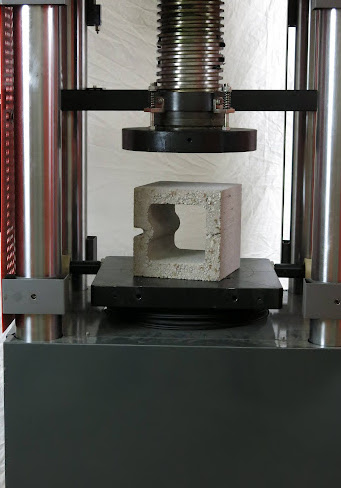
Understanding how to test compressive strength of concrete is crucial for ensuring structural safety. This guide will detail each step, from preparing samples to conducting various tests. You will learn about methods like the Rebound Hammer Test, Penetration Resistance Test, and more, allowing you to achieve accurate and reliable results.
Understanding Compressive Strength
Compressive strength is a key indicator of a concrete’s ability to carry loads without cracking or deflection, which directly reflects its overall material performance. It measures the maximum load a concrete sample can withstand, making concrete compressive strength essential for assessing the structural integrity of buildings and other constructions.
The compressive strength of concrete is influenced by several factors. The quality of raw materials, such as the type and fineness of cement, plays a significant role. Over time, the compressive strength increases, making age an important factor in performance evaluation. Understanding these factors ensures accurate strength testing.
Innovation in sensor technology now allows real-time monitoring of concrete strength, enhancing both construction safety and efficiency. These advancements enable continuous assessment, providing valuable data that informs better decision-making during the construction process.
Preparing Cylindrical Concrete Specimens for Testing
Proper preparation of concrete samples is the starting point for accurate compressive strength tests. Using the same concrete mix from the field to create test specimens ensures consistent results. The recommended mix for test specimens is M15 or higher.
One method to ensure accurate testing is to extract hardened concrete samples from existing structures using a core drill, as specified in ASTM C42.
Cylinder molds for test specimens need to be non-absorbent and maintain their shape without leaking. Cement paste is used to achieve a smooth top surface. Initial curing should occur at temperatures between 60 - 80 degrees Fahrenheit for up to 48 hours, followed by final curing in water saturated with calcium hydroxide before testing.
Transporting specimens should be completed within four hours to avoid damage or moisture loss that could affect test results. Proper preparation and curing are essential for reliable compressive strength tests, ensuring quality control in the construction process.
Conducting Compression Tests on Concrete
Compression tests determine the compressive strength of concrete using a compression testing machine by applying a load until the specimen fails, measuring its response. This standard procedure is typically conducted on cylindrical specimens to align with industry standards. For in-place concrete, tests like the penetration resistance test and cast-in-place cylinders are used to assess the strength of concrete that has already been installed and cured on-site.
Cylinder break tests are performed at specific intervals, commonly at seven and 28 days of curing, to assess the concrete’s strength over time. The 28-day strength test is a standard benchmark for evaluating concrete quality. During the test, a load is applied gradually at a rate of 140 kg/cm2 per minute until the specimen fails, and the average of at least two standard-cured specimens is calculated to determine the concrete’s compressive strength. We also perform cylinder break tests to ensure accuracy in our assessments. It's important to note that some tests, such as the Pullout Test and Drilled Core method, involve crushing the concrete, which can impact the integrity of the structure.
Accurate testing provides reliable compressive strength data, informing decisions about the quality and safety of concrete in construction projects.
Common Methods for Testing Concrete Strength
There are several common methods for testing concrete strength, each with its unique advantages and applications. Field-cured cylindrical concrete specimens are among the most widely used techniques, involving casting and curing concrete according to ASTM C31 standards, followed by testing at various stages by a third-party lab.
Project managers weigh the impact on the construction schedule, testing accuracy, and concrete quality when selecting a method. Popular methods include the Rebound Hammer Test, Penetration Resistance Test, and Pullout Test. Each provides unique insights into concrete strength, allowing for selection based on project needs.
By understanding these methods, you can select the most appropriate one for your needs, ensuring accurate assessment and quality control in your construction projects.
Rebound Hammer Test
The Rebound Hammer Test, a convenient and non-destructive method, estimates compressive strength by measuring the rebound distance of a spring-loaded hammer striking the concrete surface. Its ease of use makes it ideal for field testing.
However, surface roughness, moisture content, and concrete type can affect the accuracy of results. Despite these limitations, it remains a valuable tool for quick assessments.
Penetration Resistance Test
The Penetration Resistance Test measures concrete strength by assessing the force needed to drive a standardized probe into the surface, indicating the material’s strength. Proper calibration of the apparatus is essential for accurate results, especially when using the penetration resistance technique.
This method offers valuable data on the concrete’s overall strength and structural integrity.
Pullout Test
The Pullout Test measures in-situ compressive strength by determining the force needed to dislodge an embedded anchor. The procedure involves drilling into the concrete, inserting an anchor, and applying a tensile force until the anchor is pulled out.
This test significantly influences the assessment of the concrete structure’s integrity and load-bearing capacity, ensuring safety and compliance with construction standards.
Factors Influencing Compressive Strength Results
Several factors influence compressive strength test results. The quality of materials like cement, sand, and aggregates is crucial. The water-cement ratio is also vital for optimal strength, with a recommended ratio of 1 part cement to 2 parts sand, 3 parts aggregate, and 0.5 parts water.
Temperature and humidity during curing impact compressive strength. Ideal temperatures range between 12°C and 22°C, with humidity maintained around 85-90% for proper cement hydration. Compaction during the setting phase is also crucial, as inadequate compaction can reduce strength by up to 40%.
Using multiple testing methods provides a robust analysis of concrete strength, accounting for variations in material and environmental conditions. Combining these methods helps reduce discrepancies and enhances the accuracy and reliability of the strength testing method results.
Interpreting and Using Compressive Strength Data
Evaluating compressive strength confirms that concrete can handle axial loads and maintain structural integrity. Data from these tests provide insights into the material’s resilience and durability, directly impacting structural safety.
Using multiple testing methods provides a comprehensive data set, improving decision-making during construction. Concrete strength and concrete strengths can also increase over time, with notable growth potential from initial measurements to decades later. This long-term data is vital for assessing future durability.
Compression Test Machines
Compression test machines are usually universal testing machines that are specially configured to evaluate static compressive strength characteristics of materials, products, and components. Our wide variety of compression test machines are designed to measure characteristics such as ultimate compression strength, yield strength, deflection, and modulus.
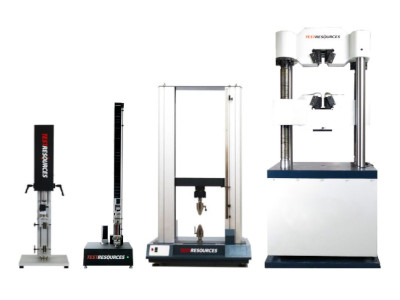
Choose from over 40 models with force capacities ranging from very low forces up to 3 MN (660 kip) and two different technologies, offering hundreds of configuration options. This allows you to optimize your testing capabilities and select exactly what you need.
Common Challenges and Precautions
When testing concrete strength, several common challenges and precautions must be considered to ensure accurate and reliable results:
-
Sampling: Ensuring that the concrete samples are representative of the entire structure is crucial for accurate testing. Multiple concrete samples should be taken from different locations and depths to account for variations in the concrete mix and curing conditions.
-
Testing Equipment: Ensuring that the testing equipment is properly calibrated and functioning correctly is essential for obtaining accurate results. Regular maintenance and calibration of the compression testing machine and other equipment are necessary to avoid measurement errors.
-
Environmental Conditions: Environmental conditions, such as temperature and humidity, can significantly affect the accuracy of test results. Tests should be conducted under controlled conditions to minimize the impact of environmental variables on the concrete’s strength.
-
Interpreting Results: Interpreting the test results requires a thorough understanding of the testing method and the properties of the concrete. Engineers must consider factors such as the age of the concrete, the type of cement used, and the curing conditions when analyzing the results.
-
Safety: Ensuring the safety of testing personnel and the structure being tested is paramount. Proper safety protocols should be followed during sample preparation, testing, and result interpretation to prevent accidents and ensure the integrity of the concrete structure.
By addressing these challenges and taking the necessary precautions, engineers and contractors can ensure that concrete strength testing is performed accurately and safely, providing valuable insights into the properties of the concrete and ensuring the success of construction projects.
Best Practices for Ensuring Accurate Strength Measurements
Standardized procedures like ASTM C39 ensure consistent and reliable measurements in concrete strength tests. Adhering to these standards is crucial for accurate and reliable results.
Proper specimen preparation and regular calibration of testing machines are critical for precise measurements. Conducting tests under controlled environmental conditions minimizes variability, enhancing data accuracy and allowing researchers to obtain accurate data. Avoiding errors like specimen misalignment and inadequate curing ensures reliable results.
Summary
Accurate testing of compressive strength is vital for ensuring the safety and durability of concrete structures. From preparing samples to conducting various strength tests, each step plays a critical role in obtaining reliable data. By understanding the common methods of testing and the factors that influence results, you can make informed decisions to enhance construction quality.
In conclusion, following best practices and utilizing multiple testing methods will help you achieve accurate strength measurements. This not only ensures compliance with construction standards but also contributes to the longevity and safety of your projects.
Frequently Asked Questions
Compressive strength testing is crucial as it verifies that concrete can endure anticipated loads without failure, thereby ensuring the structural integrity of buildings and other constructions. This assessment is essential for safety and durability in construction projects.
The compressive strength of concrete is significantly influenced by the quality of raw materials, the water-cement ratio, curing temperature and humidity, and the compaction during setting. Understanding these factors is crucial for achieving optimal concrete strength.
Common methods for testing concrete strength are the Rebound Hammer Test, Penetration Resistance Test, Ultrasonic Pulse Velocity Method, and Pullout Test. Selecting the appropriate method depends on the specific requirements of your project.
The Rebound Hammer Test evaluates concrete compressive strength by measuring how far a spring-loaded hammer rebounds after striking the surface, with the rebound distance correlating to the material's hardness. This method provides a quick and non-destructive assessment of concrete quality.
To ensure accurate compressive strength measurements, it is crucial to follow standardized procedures, prepare specimens carefully, calibrate testing machines regularly, and conduct tests under controlled environmental conditions. These best practices will help guarantee reliable results.
