
Mid-Range Dynamic & Fatigue Test Machines
2.5 kN to 15.5 kN
Mid-Range Fatigue Test Machines form the core of modern R&D labs, offering an optimal balance of force capacity, speed, and stiffness for reliable dynamic testing across most standard applications.
Request a Free Consultation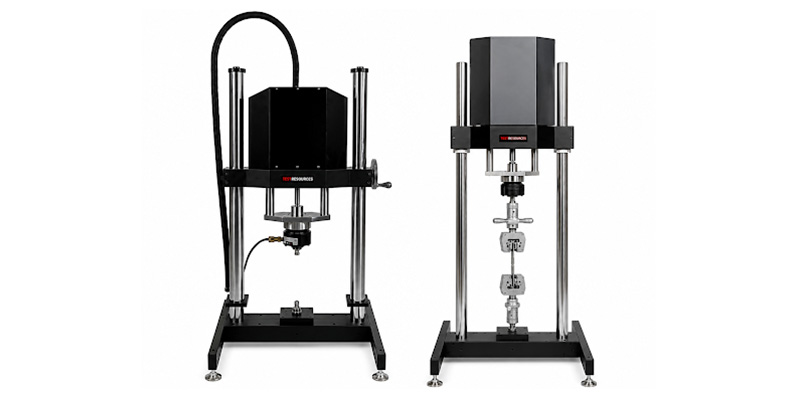
Why Choose Our Mid-Range Systems?
The Industrial Workhorse for Performance Materials and Components
The Mid-Range Fatigue Test Machine series is the backbone of the modern R&D lab, delivering the perfect balance of force capacity, high velocity, and frame stiffness. Engineered for materials such as reinforced plastics, advanced polymers, and small mechanical assemblies, these machines are designed to handle 90% of standard dynamic testing applications.
Whether you are performing accelerated life testing or high-cycle fatigue (HCF), our mid-range systems offer the durability of an industrial system with the precision of a research-grade instrument.
Optimized Throughput
With speed options up to 510 in/min, these machines are built to reach high cycle counts quickly, significantly reducing total test time.
Superior Frame Rigidity
Dual-column architectures provide the lateral stiffness required for testing high-modulus materials and complex sub-assemblies.
Clean & Low Maintenance
100% electric operation eliminates the messy oil, high noise, and energy consumption of hydraulic alternatives.
Seamless Integration
The built-in anti-rotate design makes these machines ideal for integrated axial-torsion or custom multi-axial frame configurations.
Standard Dynamic & Fatigue Machines
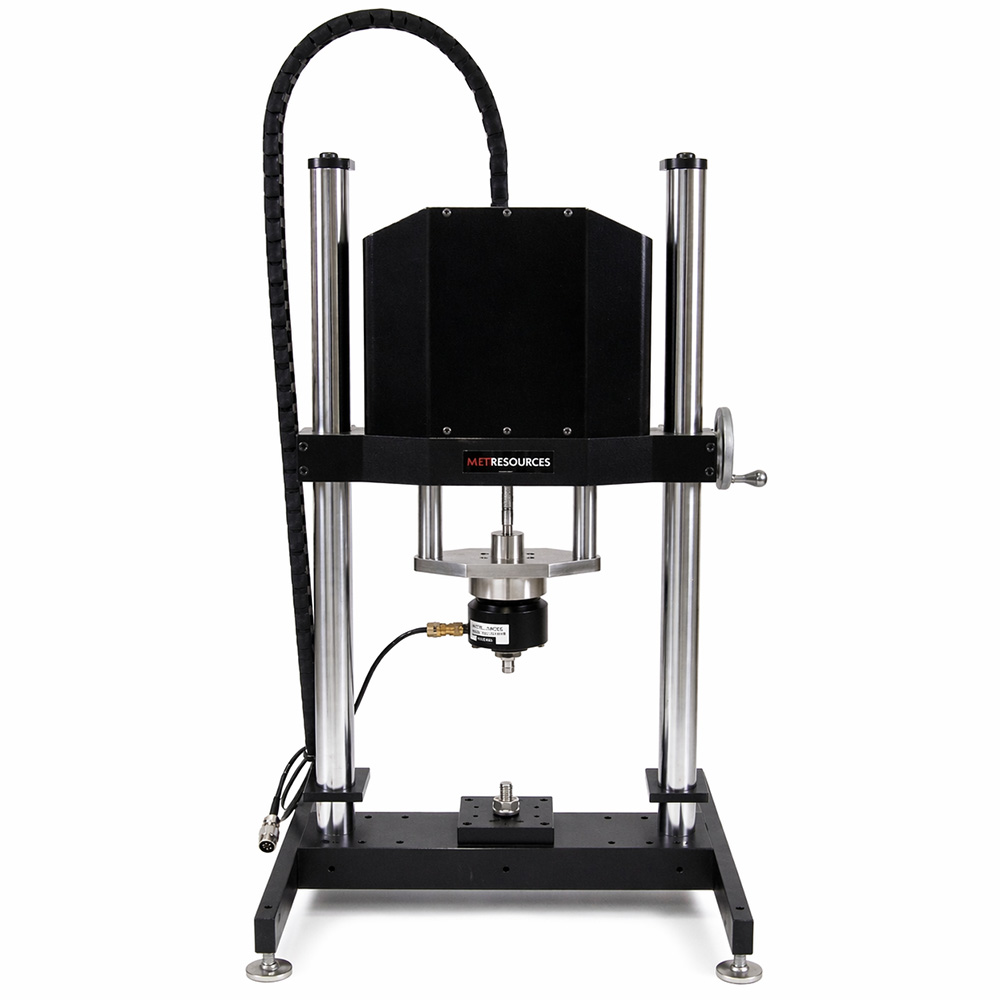
Model 800D3
Ideal for:
- General-purpose dynamic & fatigue testing
- Plastics, composites, biomaterials
- Suitable for small mechanical components
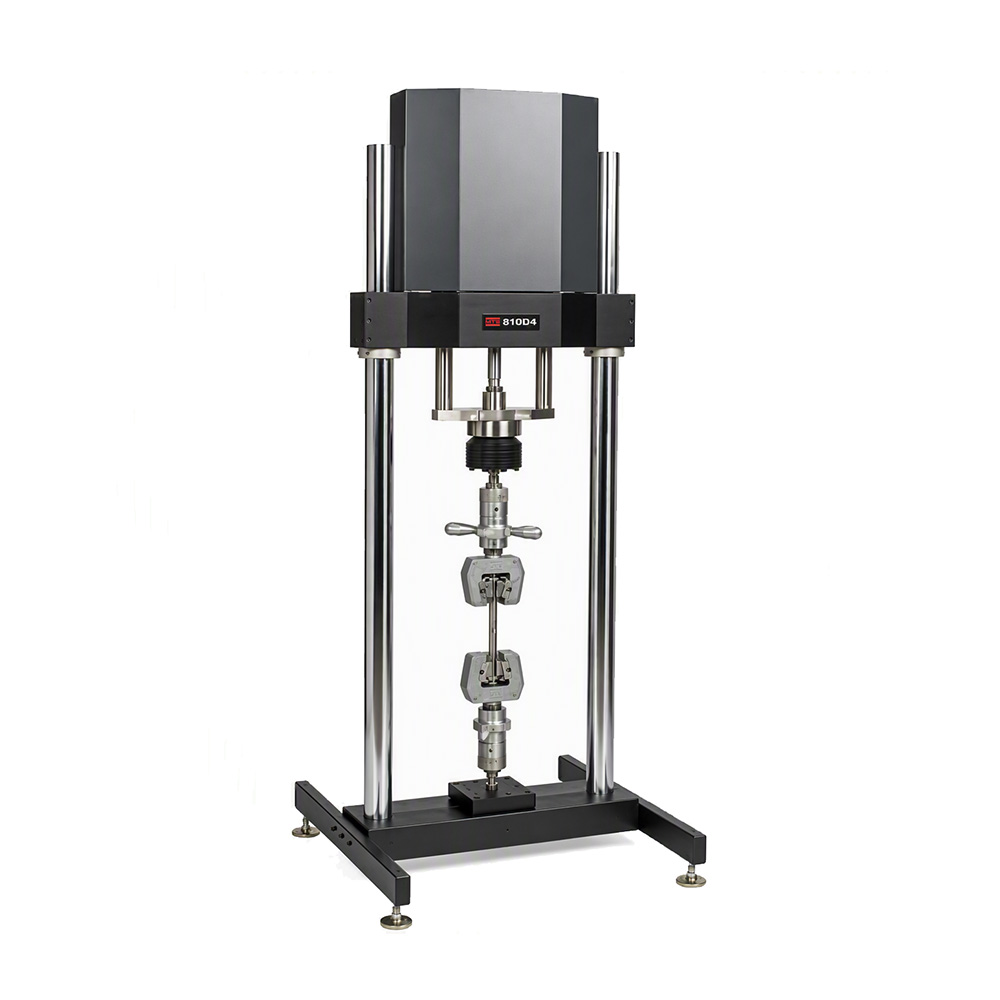
Model 810D4
Ideal for:
- Medium-force fatigue testing
- Fracture mechanics testing
- Structural testing
High Speed Dynamic & Fatigue Machines
Need higher cycle frequencies? Our High Speed variants double the maximum velocity (up to 510 in/min) to accelerate your testing throughput.
Model 800D3-HS
Ideal for:
- High-frequency, high-cycle fatigue (HCF) applications
- Dynamic mechanical analysis (DMA)
Model 810D4-HS
Ideal for:
- High-strain-rate testing
- Rapid dynamic component testing
Engineering Advantages
As the most versatile category, these machines handle "everyday" industrial materials and components, balancing high speeds for rapid cycling with enough force for structural polymers.
Backlash-Free Crossover
Our gearbox-free design utilizes a preloaded screw to ensure data accuracy during the transition from tension to compression—avoiding the "impact" spikes common in lesser systems.
Low Total Cost of Ownership
We prioritize maintenance accessibility. Should a repair be needed, our systems offer shorter lead times and significantly lower refurbishment costs compared to premium sealed units.
Versatility
Perfectly suited for axial, axial-torsion, and planar biaxial testing setups.
Mid-Range Comparison
Our mid-range lineup features a variety of speed and displacement options to suit your specific ASTM or ISO testing protocols.
| Model | Max Force (kN / lbf) |
Max Speed (mm/s) |
Stroke (in) | Max Frequency |
Power | Details |
|---|---|---|---|---|---|---|
| 800D3 | 5.0 kN / 1125 | 108 | 6.0 | 15 Hz | 120 V / 13A | Learn more |
| 800D3-HS | 2.5 kN / 565 | 216 | 6.0 | 15 Hz | 120 V / 13A | Learn more |
| 810D4 | 15.5 kN / 3500 | 108 | 8.0 | 15 Hz | 240 V / 3Ph | Learn more |
| 810D4-HS | 7.75 kN / 1750 | 216 | 8.0 | 15 Hz | 240 V / 3Ph | Learn more |
| Custom | Made per requirements. | Contact us | ||||
Versatile Dynamic & Fatigue Testing Applications
Optimized for both strength and accuracy, these systems capture the vital mechanical properties of mid-size components and robust materials. They provide the necessary cyclic force for demanding automotive, aerospace, and biomedical applications without the excessive footprint and overhead of heavy-tonnage industrial machines.
Key Industries
- Automotive, Plastics & Polymers, Consumer Goods, Orthopedics.
Common Materials
- Reinforced plastics, 3D-printed resins, small aluminum components, rubber-to-metal bonds, and structural adhesives.
Common Applications
- Automotive: Life-cycle testing of seatbelt fasteners, small bushings, and interior switches.
- Consumer Goods: Fatigue testing of laptop hinges, footwear midsoles, and hand tool durability.
- Orthopedics: Dynamic fatigue of hip and knee joint simulators or spinal constructs.
ASTM/ISO Standards
- ASTM D7774: Flexural fatigue of plastics.
- ASTM F1717: Spinal implant constructs in a vertebrectomy model.
- ASTM D4482: Rubber property - Extension fatigue.
- ISO 14853: Fatigue testing of orthopedic implants.
- ISO 13003: Fatigue properties under cyclic loading conditions for fiber-reinforced plastics.
Need Different Force Options?
Find the exact testing capacity your materials require. Browse our selection of specialized fatigue test machines below, ranging from ultra-sensitive, low-force precision systems to robust, high-force solutions.
Low-Force Fatigue Test Machines
From Subgrams up to 2.2 kN
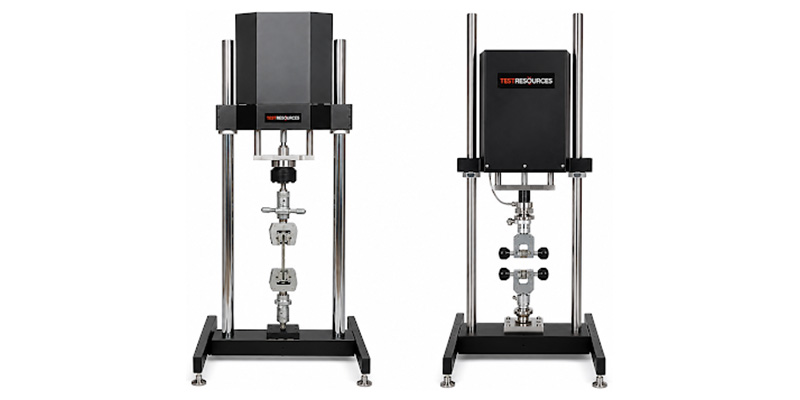
Ideal for: Biomaterials, Micro-electronics, and Thin Films
Our Low-Force systems provide extreme precision for delicate components. These machines are optimized for laboratories where space is at a premium and resolution is non-negotiable.
Key Advantage: These units operate on standard 120V 4A power, allowing for easy installation in any laboratory environment without electrical upgrades.
High-Force Fatigue Test Machines
15.9 kN to 51 kN
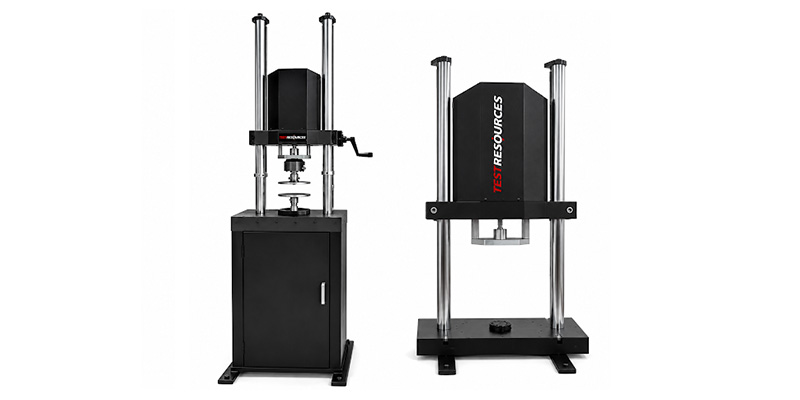
Ideal for: Structural Alloys, Composites, and Heavy Industrial Components
Our high-force machines deliver the tonnage required for structural testing while maintaining the precision of a much smaller system.
Key Advantage: These systems feature our highest resolution at 0.089 microns, ensuring that crack initiation and micro-strain are captured with absolute fidelity even under high-load conditions.
Consult with an Application Expert
Testing innovation shouldn't be limited by hardware. Whether you are developing a new composite for the energy sector or a revolutionary medical implant, we can tailor a dynamic system to your exact needs. Buying an "over-built" machine for a custom application often results in lost resolution. We help you size the system to ensure you have the maximum sensitivity for your specific research.
Request a Custom Application ReviewMaintenance and Reliability
Designed for the rigors of long-term fatigue testing, these machines feature backlash-free preloaded screws that offer a lifespan similar to high-end premium systems. If maintenance is ever required, the accessible design ensures shorter lead times and lower service costs, keeping your lab productive.
Warranty
We stand behind the engineering of every machine we build. To ensure your lab operates with total peace of mind during multi-million cycle tests, every system in our Dynamic and Fatigue series comes a standard warranty.
Trusted By


















Frequently Asked Questions
These machines are highly versatile and capable of dynamic and static testing:
- High-Cycle Fatigue (HCF) and Low-Cycle Fatigue (LCF)
- Fracture mechanics (crack propagation on small specimens)
- Tension, compression, flexure, and bend testing (monotonic testing)
- Viscoelastic property characterization (DMA - Dynamic Mechanical Analysis)
Because of their precise, moderate load capacities, these testers are heavily utilized in sectors working with advanced materials and smaller components:
- Biomedical & Medical Devices: Testing orthopedic bone screws, spinal constructs, dental implants, and cardiovascular stents to simulate years of human use.
- Plastics & Elastomers: Evaluating the durability, creep, and fatigue life of polymers and rubber components.
- Consumer Electronics: Durability testing of switches, flexible printed circuit boards (PCBs), and micro-mechanical assemblies.
- Aerospace & Automotive: Testing lightweight composites, adhesives, wires, and thin metallic foils used in modern manufacturing.
When equipped with the proper software and fixtures, these machines easily comply with major international testing standards, including:
- ASTM F382: Standard Specification and Test Method for Metallic Bone Plates
- ASTM E466: Force-Controlled Constant Amplitude Axial Fatigue Tests
- ASTM D7791: Uniaxial Fatigue Properties of Plastics
- ISO 1099: Metallic materials - Fatigue testing - Axial force-controlled method
A major advantage of machines in this load range is their ease of installation compared to heavier systems:
- Power: Many of these units (especially the 2.5 kN and 5 kN linear motor models) can run on standard 110V or 220V single-phase electrical power, eliminating the need for expensive 3-phase facility upgrades.
- Cooling: Linear motor and servopneumatic machines are air-cooled and do not require water cooling systems or chillers.
- Space & Flooring: The lower capacity models are often compact benchtop units. Even the 15.5 kN floor-standing models generally do not require specially reinforced concrete floors, though standard laboratory benches must be sturdy enough to handle the static weight and minor dynamic vibrations.

When you work with us, you get the best engineers to solve your testing and budgetary challenges. Whether you’re new to testing or a testing expert yourself, we can help you optimize your system AND YOUR BUDGET.
Contact us and see for yourself why TestResources is the best choice for your testing needs!